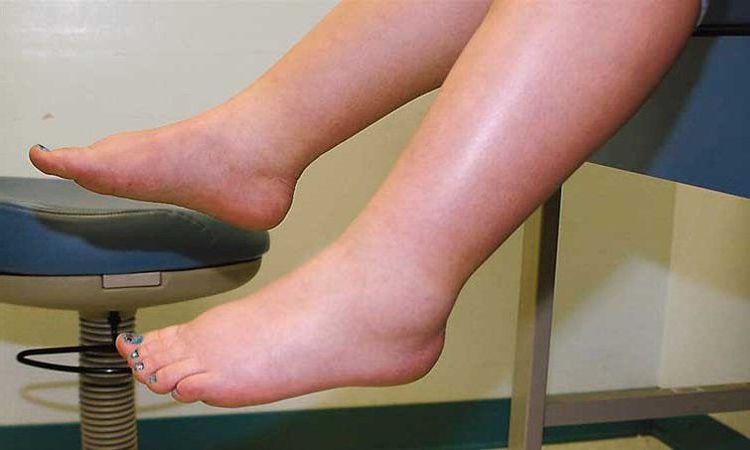
Waking up with puffy eyes, noticing swollen ankles at the end of the day, or feeling unusually bloated can sometimes be related to water retention, also called fluid retention or edema.
Water retention happens when excess fluid accumulates in tissues instead of being adequately moved and eliminated by the body. It can be temporary and relatively harmless - for example, after eating a very salty meal, sitting for hours, traveling, or experiencing hormonal changes.
However, persistent or significant swelling can sometimes be associated with an underlying medical condition. That is why the goal should not be to “flush out” water as quickly as possible, but rather to support the body's normal fluid balance.
Fortunately, several simple everyday habits may help.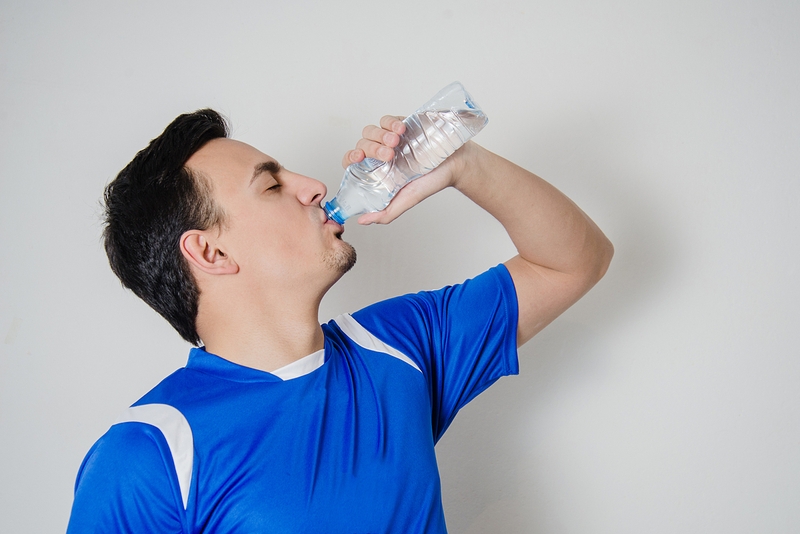
1. Watch How Much Sodium You Eat
One of the most practical places to start is your diet.
Sodium causes the body to hold onto water, and a high-sodium diet can contribute to temporary increases in fluid retention in some people.
The biggest sources are not necessarily the salt shaker on your table. Much of the sodium in modern diets comes from processed and restaurant foods, including:
-
Processed meats
-
Instant noodles
-
Canned soups
-
Salty snacks
-
Fast food
-
Frozen meals
-
Packaged sauces
-
Certain breads and baked goods
-
Processed cheeses
You do not necessarily need to eliminate salt completely.
Instead, try gradually reducing foods that are particularly high in sodium and choosing more minimally processed foods.
For example, you might replace a packaged soup with a homemade vegetable soup or choose fresh chicken instead of heavily processed meats.
Reading nutrition labels can also make a surprisingly large difference.
Don't confuse sodium reduction with extreme restriction
Your body needs sodium to help maintain fluid balance, nerve function, and muscle function.
The goal is moderation, not eliminating sodium altogether.
People with certain medical conditions may receive individualized sodium recommendations from their healthcare provider.
2. Drink Enough Water
It may seem contradictory, but drinking enough water can be helpful when you're experiencing temporary water retention.
When you're dehydrated, the body has mechanisms that encourage it to conserve water. Maintaining adequate hydration helps support normal kidney function and fluid regulation.
However, this does not mean that drinking enormous amounts of water will make swelling disappear faster.
Overhydration can be dangerous because excessive water intake can dilute sodium in the blood, potentially causing hyponatremia.
Instead, drink regularly throughout the day according to your thirst and individual needs.
Water is generally the simplest choice.
You can also obtain fluid from foods such as:
-
Watermelon
-
Cucumbers
-
Oranges
-
Strawberries
-
Soups
-
Other fruits and vegetables
People with heart failure, kidney disease, liver disease, or other conditions may have specific fluid restrictions. If that applies to you, follow your healthcare professional's recommendations rather than increasing your fluid intake on your own.
3. Move Your Body Regularly
Long periods of sitting or standing can contribute to swelling, particularly in the feet and ankles.
Movement helps your muscles—especially the muscles in your legs—support the return of blood and fluid from the lower extremities.
You don't necessarily need an intense workout.
Simple movements throughout the day can help break up long periods of inactivity.
Try:
-
Taking a short walk
-
Stretching your legs
-
Moving your ankles in circles
-
Standing up regularly when working at a desk
-
Walking around during long trips
-
Taking the stairs when appropriate
-
Doing light exercises that you can perform safely
For people who spend much of the day sitting, even brief movement breaks can be useful.
A simple habit
If you've been sitting for several hours, get up and walk around for a few minutes.
This is particularly useful during long flights or car journeys, when prolonged immobility can contribute to leg swelling.
4. Elevate Swollen Legs When Appropriate
If your feet or ankles become mildly swollen after standing or sitting for a long time, elevating your legs may provide temporary relief.
When your legs are elevated, gravity can help fluid move away from the lower extremities.
You can lie down and place your legs on pillows so that they are comfortably elevated.
Some people find it helpful to do this for a period of time after a long day on their feet.
The position should be comfortable—you do not need to raise your legs extremely high.
However, leg elevation is not a treatment for every cause of swelling.
If one leg suddenly becomes swollen, painful, warm, or red, do not simply assume that it is ordinary water retention. Those symptoms can require prompt medical assessment.
5. Eat More Potassium-Rich Foods—When Appropriate
Potassium plays an important role in maintaining fluid and electrolyte balance.
For many healthy adults, getting potassium from foods is part of a balanced diet.
Foods that naturally contain potassium include:
-
Bananas
-
Potatoes
-
Sweet potatoes
-
Avocados
-
Beans
-
Lentils
-
Spinach
-
Tomatoes
-
Oranges
-
Yogurt
Rather than taking potassium supplements, it is generally preferable to obtain potassium through food unless a healthcare professional recommends supplementation.
There is an important exception
People with kidney disease or certain other medical conditions may need to limit potassium.
Some medications can also increase potassium levels.
For this reason, do not start potassium supplements—or deliberately increase potassium intake substantially—just because you have swelling.
A healthcare professional can determine whether increasing potassium is appropriate for you.
6. Avoid Staying in One Position for Too Long
Your daily routine can have a major effect on how your body handles fluid.
Sitting at a desk all day, standing for prolonged periods, or spending hours in the same position can make swelling in the lower legs more noticeable.