Winter is the season when colds and flu become more common. Cold weather weakens the immune system, viruses spread more easily in dry air, and people tend to spend more time indoors - creating the perfect environment for infections. While medication and proper rest are essential, certain foods can also help relieve symptoms and support your body’s natural healing process.
Here are six powerful foods that can help ease cold and flu symptoms, boost immunity, and promote faster recovery during the winter months.
1. Ginger – A Natural Remedy for Sore Throat and Congestion
Ginger has long been used in traditional medicine for its warming, anti-inflammatory, and antiviral properties. It helps reduce throat irritation, relieve coughing, and ease nasal congestion.
How it helps:
-
Reduces inflammation in the throat and respiratory tract
-
Helps loosen mucus
-
Soothes coughs and prevents nausea
-
Warms the body from within, improving circulation
How to use it:
-
Drink ginger tea with honey and lemon
-
Add fresh ginger slices to soups
-
Mix grated ginger with warm water for a quick immune boost
Ginger is especially effective in the early stages of a cold or flu.
2. Garlic – Boosts Immunity and Fights Infection
Garlic contains allicin, a potent compound known for its antiviral, antibacterial, and immune-boosting effects. Studies show that consuming garlic regularly can help the body respond more effectively to respiratory infections.
Benefits:
-
Strengthens immune system
-
Helps combat viruses causing colds
-
Reduces severity and duration of symptoms
-
Supports respiratory health
How to use it:
-
Eat 1–2 raw garlic cloves daily (crushed for best effect)
-
Add garlic to warm dishes, soups, and broths
-
Mix garlic with honey for a soothing, immune-boosting remedy
Garlic is one of the most powerful natural ingredients for winter wellness.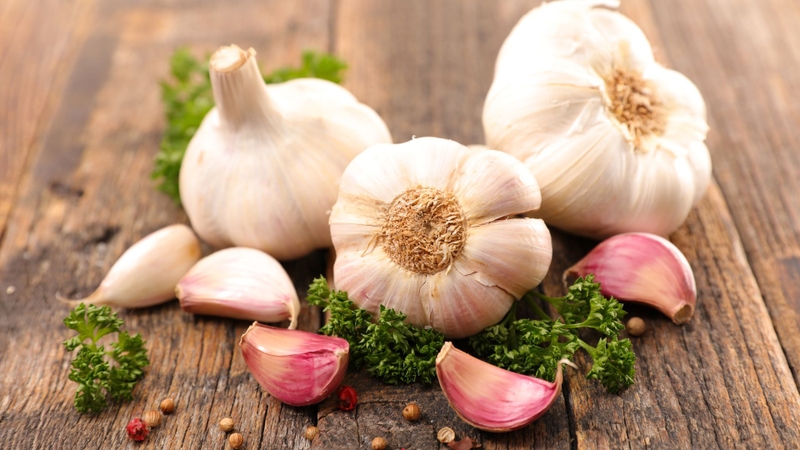
3. Citrus Fruits – High in Vitamin C for Faster Recovery
Oranges, lemons, grapefruits, and tangerines are excellent sources of vitamin C, an essential nutrient that enhances the immune system and supports faster healing.
Why vitamin C is important:
-
Reduces the duration of cold symptoms
-
Supports the production of white blood cells
-
Acts as an antioxidant to protect cells
-
Helps reduce inflammation
How to use them:
-
Drink warm lemon water with honey
-
Eat fresh oranges or tangerines
-
Add lemon juice to soups or herbal teas
Vitamin C-rich fruits are especially helpful when consumed at the first sign of illness.
4. Chicken Soup – Comforting, Nourishing, and Scientifically Backed
Chicken soup is more than just comfort food during illness—studies show that it can actually help ease cold and flu symptoms.
What chicken soup does:
-
Provides warmth that helps clear nasal passages
-
Contains amino acids and minerals that support immunity
-
Helps reduce inflammation in the upper respiratory tract
-
Keeps the body hydrated
Why it's effective:
The combination of warm broth, vegetables, and protein helps the body recover by supplying nutrients and easing congestion.
5. Honey – Soothes the Throat and Reduces Coughing
Honey is a natural antibacterial and anti-inflammatory ingredient widely used to treat sore throats and persistent coughing.
Benefits:
-
Coats and soothes the throat
-
Reduces nighttime coughing
-
Provides antioxidants to support healing
-
Helps fight infection-causing microbes
How to use it:
-
Mix honey with warm lemon water
-
Add honey to ginger tea
-
Take 1 teaspoon before bedtime to ease coughs
(Note: Honey should not be given to children under 1 year old.)

6. Yogurt – Supports Gut Health and Strengthens Immunity
A healthy immune system begins in the gut, and yogurt is one of the best foods to maintain a strong digestive and immune system thanks to its probiotics.
How yogurt helps during a cold:
-
Provides beneficial bacteria that support immunity
-
Helps reduce inflammation
-
Provides protein, vitamins, and minerals
-
Helps maintain appetite during illness
How to use it:
-
Eat plain yogurt with honey for added soothing benefits
-
Add yogurt to smoothies
-
Choose unsweetened yogurt to avoid added sugars
Probiotics play a key role in preventing infections and reducing the severity of cold symptoms.
Additional Tips for Fighting Winter Colds and Flu
Along with eating immune-supporting foods, you can strengthen your body’s defenses with these simple habits:
Stay hydrated
Water, herbal teas, and warm broths help thin mucus and support recovery.
Get enough sleep
The immune system repairs itself during rest.
Keep warm
Maintaining body temperature helps the immune system function more efficiently.
Use steam inhalation
Warm steam can relieve congestion and ease breathing.
Avoid sugar and processed foods
These can weaken the immune response and increase inflammation.
Conclusion
Winter colds and flu can be uncomfortable, but incorporating the right foods into your daily routine can make recovery smoother and easier. Ginger, garlic, citrus fruits, chicken soup, honey, and yogurt each offer unique benefits that help strengthen the immune system, reduce symptoms, and support overall health.
By combining these foods with healthy habits like proper rest and hydration, you can protect yourself during the cold season and improve your body’s resilience against infections.
How to Prevent Colds and Flu in Winter: Practical, Effective Strategies
While incorporating immune-boosting foods into your diet is incredibly helpful, preventing colds and flu requires a combination of healthy habits and proactive measures. Winter is the peak season for respiratory infections, so maintaining strong immunity and reducing exposure to viruses are essential. Below are evidence-based strategies to help you protect yourself and your family throughout the cold season.
1. Wash Your Hands Frequently and Properly
Handwashing remains one of the most effective ways to prevent viral infections. Cold and flu viruses spread easily through contaminated surfaces and hand-to-face contact.
Tips for effective handwashing:
-
Use warm water and soap
-
Scrub for at least 20 seconds
-
Wash before eating and after going out
-
Avoid touching your face, especially your nose, eyes, and mouth