What you eat in the morning can influence how you feel for the rest of the day. While breakfast isn't automatically the "most important meal" for everyone, choosing nutrient-rich foods early in the day can be a practical way to support digestion, bowel regularity, stable energy, and overall gut health.
Your digestive system is home to trillions of microorganisms collectively known as the gut microbiome. These bacteria and other microbes interact with the foods you eat, particularly dietary fiber and certain fermented foods. A diverse, balanced diet can help support a healthy microbial community and normal digestive function.
But there's an important point to understand: no food literally "cleans" your intestines. Your digestive tract, liver, and kidneys already have sophisticated systems for processing nutrients and eliminating waste. Instead of looking for a morning detox, focus on foods that provide fiber, fluids, probiotics, prebiotics, and other nutrients that support normal digestion.
Here are 6 foods worth considering in the morning if you want to give your digestive system a nutritious start.
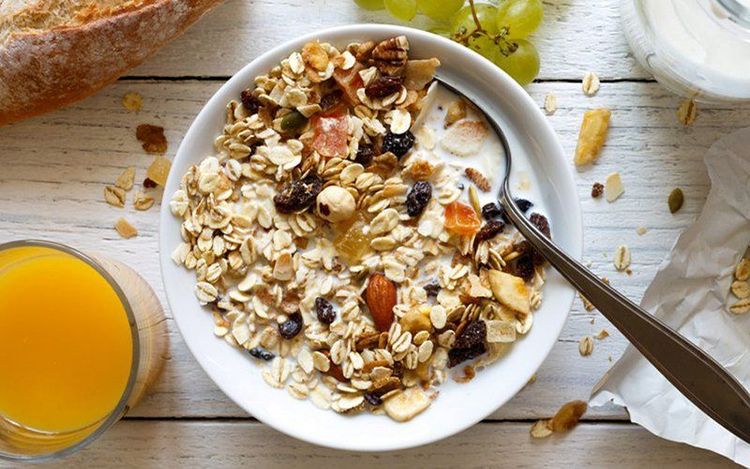
1. Oatmeal
Oats are one of the easiest gut-friendly foods to add to breakfast.
They are particularly rich in a type of soluble fiber called beta-glucan. When mixed with water, soluble fiber forms a gel-like substance in the digestive tract.
This can help:
-
Support regular bowel movements
-
Increase feelings of fullness
-
Support healthy cholesterol levels
-
Slow digestion of carbohydrates
-
Provide fuel for beneficial gut bacteria
Fiber reaches the large intestine, where certain gut bacteria can ferment it and produce beneficial compounds called short-chain fatty acids.
These compounds, including butyrate, play important roles in maintaining the cells lining the colon.
How to Make Oatmeal Even Better
Instead of heavily sweetened instant oatmeal, choose plain rolled or steel-cut oats.
Add nutritious toppings such as:
-
Blueberries
-
Strawberries
-
Banana
-
Chia seeds
-
Ground flaxseed
-
Walnuts
-
Plain yogurt
-
Cinnamon
This combination provides fiber, protein, healthy fats, and plant compounds.
If you're not accustomed to eating much fiber, increase your intake gradually to minimize temporary gas and bloating.
2. Plain Yogurt With Live Cultures
Yogurt can be an excellent breakfast choice, particularly varieties containing live and active cultures.
These cultures may include bacteria such as Lactobacillus and Bifidobacterium species.
Fermented foods containing live microorganisms may help support the gut microbiome in some people.
Yogurt also provides:
-
Protein
-
Calcium
-
Vitamin B12
-
Phosphorus
-
Potassium
Greek yogurt is particularly useful if you want a higher-protein breakfast.
What Should You Look For?
Check the label for phrases such as:
"Live and active cultures."
Plain yogurt is usually preferable to heavily sweetened varieties because flavored yogurts can contain substantial amounts of added sugar.
Try combining plain yogurt with berries, oats, nuts, or seeds for a balanced breakfast.
What If You're Lactose Intolerant?
Some people with lactose intolerance can tolerate yogurt better than milk because bacterial cultures partially break down lactose.
However, tolerance varies.
Lactose-free yogurt and fortified plant-based alternatives are also available.
3. Kiwi
This small green fruit deserves more attention when it comes to digestive health.
Kiwi provides:
-
Dietary fiber
-
Vitamin C
-
Potassium
-
Folate
-
Antioxidant plant compounds
It also contains an enzyme called actinidin, which may help break down certain proteins during digestion.
Research has also explored kiwi for constipation. Eating kiwi regularly may help improve stool frequency and bowel comfort in some individuals.
Why Fiber Matters
Dietary fiber helps add bulk to stool and supports its movement through the digestive system.
Kiwi provides both soluble and insoluble fiber, making it a convenient addition to a gut-friendly breakfast.
Easy Ways to Eat Kiwi
Try:
-
Slicing it over oatmeal
-
Adding it to Greek yogurt
-
Combining it with berries
-
Eating it alongside eggs and whole-grain toast
Some people even eat the skin after washing it thoroughly. The skin contains additional fiber, although its texture isn't for everyone.
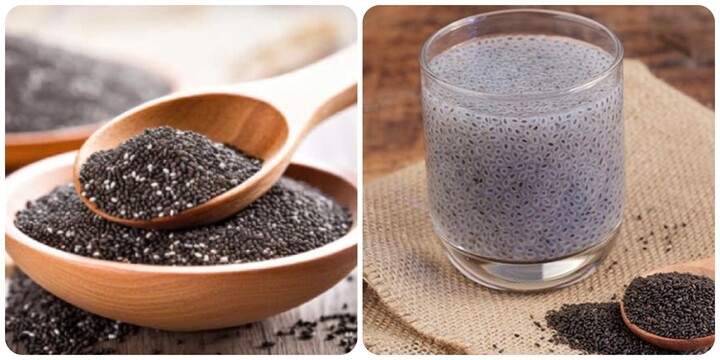
4. Chia Seeds
Tiny chia seeds pack an impressive amount of nutrition into a small serving.
They're particularly rich in:
-
Fiber
-
Alpha-linolenic acid (ALA), a plant omega-3 fatty acid
-
Magnesium
-
Calcium
-
Plant protein
When chia seeds absorb liquid, they develop a gel-like consistency because of their soluble fiber.
This property may help support stool consistency and bowel regularity.
Try Chia Pudding
A simple breakfast can be made by combining chia seeds with milk or a fortified plant-based beverage and refrigerating the mixture until it thickens.
Top it with:
-
Berries
-
Kiwi
-
Banana
-
Nuts
-
Plain yogurt
Chia seeds can also be sprinkled over oatmeal or blended into smoothies.
Don't Forget Fluids
Because chia seeds contain significant fiber, adequate fluid intake is important.
If you suddenly consume large quantities without enough fluids, you may experience digestive discomfort.
Start with a modest amount and increase gradually.
5. Berries
Blueberries, raspberries, strawberries, and blackberries are excellent additions to breakfast.
Depending on the variety, berries can provide substantial amounts of:
-
Fiber
-
Vitamin C
-
Anthocyanins
-
Polyphenols
-
Other antioxidants
Raspberries and blackberries are particularly rich in fiber.
How Berries May Support the Gut
Certain polyphenols in berries interact with gut microorganisms and are being studied for their potential influence on microbiome composition.
Meanwhile, their fiber provides another source of fuel for intestinal bacteria.
Berries are also relatively easy to incorporate into meals.
Add them to:
-
Oatmeal
-
Yogurt
-
Whole-grain cereal
-
Chia pudding
-
Smoothies
Frozen berries are nutritious too and can be more affordable when fresh berries aren't in season.
Choose frozen products without added sugar when possible.
6. Prunes
Prunes—dried plums—are perhaps best known for their association with bowel regularity.
And there's a good reason for that reputation.
Prunes contain:
-
Dietary fiber
-
Sorbitol
-
Polyphenols
-
Potassium
-
Vitamin K
Sorbitol is a naturally occurring sugar alcohol that draws water into the intestines, which can help soften stool.
Research suggests that prunes may help improve stool frequency and consistency in people experiencing constipation.
How Many Should You Eat?
You don't need a huge portion.
A few prunes can be added to:
-
Oatmeal
-
Yogurt
-
Whole-grain cereal
-
Smoothies
Because prunes contain concentrated natural sugars and sorbitol, eating large amounts may cause diarrhea, gas, or abdominal discomfort in some people.
Start with a small serving and see how your digestive system responds.
What About Drinking Water in the Morning?
Although water isn't technically a food, hydration deserves attention when discussing digestive health.
Water helps support:
-
Normal stool consistency
-
Digestion
-
Nutrient transport
-
Kidney function
-
Overall hydration
If you're increasing your fiber intake, drinking enough fluids becomes particularly important.
Fiber absorbs water. Without sufficient fluid, rapidly increasing fiber may actually worsen constipation in some individuals.
A glass of water with breakfast is a simple habit that can contribute to daily hydration.
Do These Foods Need to Be Eaten on an Empty Stomach?
No.
There is little evidence that most healthy people need to consume specific foods on an empty stomach to receive their digestive benefits.
Your digestive system is designed to process mixed meals containing carbohydrates, protein, fat, fiber, vitamins, and minerals.
For example, you can combine several foods from this list into one breakfast:
Oatmeal + Greek yogurt + berries + chia seeds + kiwi
This combination provides fiber, protein, probiotics, prebiotic carbohydrates, healthy fats, and numerous micronutrients.
What Are Prebiotics and Probiotics?
These terms are often confused.
Probiotics
Probiotics are live microorganisms that, when consumed in adequate amounts, may provide health benefits.
Certain yogurts and other fermented foods can contain probiotic microorganisms.
Prebiotics
Prebiotics are specific substances—often certain types of fiber—that beneficial microorganisms can use.
Foods containing fermentable fibers help nourish the gut microbiome.
A healthy eating pattern can include both.
Why Fiber Is So Important for Gut Health
One thing nearly all gut-health experts agree on is the importance of dietary fiber.
Fiber supports:
-
Bowel regularity
-
Stool formation
-
Gut bacteria
-
Satiety
-
Blood sugar management
-
Healthy cholesterol levels
Adults generally benefit from consuming fiber-rich foods throughout the day rather than trying to obtain all their fiber at breakfast.
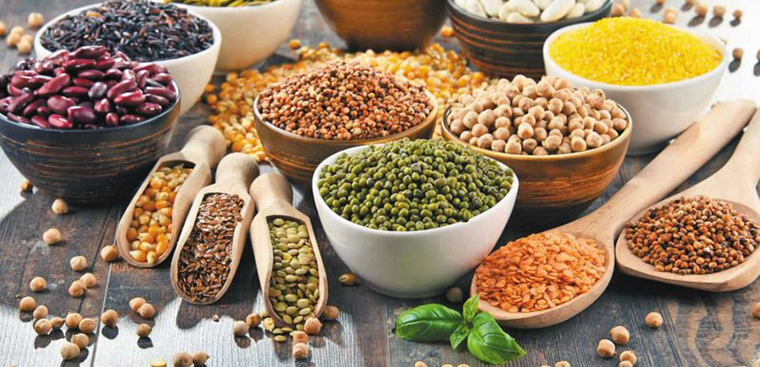
Good sources include:
-
Vegetables
-
Fruits
-
Beans
-
Lentils
-
Whole grains
-
Nuts
-
Seeds
Variety matters because different fibers nourish different groups of gut microorganisms.
Increase Fiber Gradually
Going from a low-fiber diet to an extremely high-fiber diet overnight can backfire.
You may experience:
-
Gas
-
Bloating
-
Cramping
-
Changes in bowel movements
Instead, increase fiber gradually over several weeks while drinking adequate fluids.
Your gut microbiome often needs time to adapt.
What Foods May Cause Morning Digestive Problems?
Different people have different tolerances, but some breakfast foods may trigger digestive discomfort when consumed frequently or in large quantities.
Examples include:
-
Very greasy fried foods
-
Large amounts of processed meat
-
Extremely sugary cereals
-
Pastries high in saturated fat and added sugar
-
Large amounts of artificial sweeteners or certain sugar alcohols
This doesn't mean you can never eat these foods.
The overall pattern of your diet matters much more than an occasional indulgence.
Should You Drink Coffee in the Morning?
For many healthy adults, moderate coffee consumption can fit into a balanced diet.
Interestingly, coffee can stimulate colon activity and trigger a bowel movement in some people.
Coffee also contains numerous plant compounds, including polyphenols.
However, people who experience:
-
Acid reflux
-
Heartburn
-
Anxiety
-
Palpitations
-
Stomach irritation
may need to adjust how much coffee they drink or when they drink it.
Adding large amounts of sugar, syrup, or high-fat cream can also significantly change the nutritional profile of your morning coffee.
Do You Need a Morning "Gut Detox"?
Despite countless online advertisements, there is no established need to perform routine intestinal cleanses or detox programs.
Your digestive system continuously moves food and waste through the body.
Meanwhile:
-
The liver processes many substances.
-
The kidneys filter the blood.
-
The lungs remove carbon dioxide.
-
The intestines eliminate solid waste.
Special detox teas, juice cleanses, and extreme fasting programs aren't necessary for this process.
Some detox products may even cause:
-
Diarrhea
-
Dehydration
-
Electrolyte imbalances
-
Medication interactions
Supporting your body's normal systems with adequate nutrition, hydration, sleep, and physical activity is a more evidence-based approach.
Can Gut-Friendly Foods Reduce Cancer Risk?
No food can guarantee that you won't develop cancer.
However, dietary patterns rich in whole grains, fruits, vegetables, and dietary fiber have been associated with a lower risk of certain diseases.
In particular, evidence supports an association between adequate dietary fiber and a reduced risk of colorectal cancer.
This does not mean that oatmeal, kiwi, or chia seeds individually prevent cancer.
Instead, they can contribute to a broader healthy eating pattern.
Other important strategies for reducing cancer risk include:
-
Avoiding tobacco
-
Maintaining a healthy body weight
-
Exercising regularly
-
Limiting alcohol
-
Limiting processed meat
-
Eating plenty of plant foods
-
Participating in recommended cancer screenings
A Simple Gut-Friendly Breakfast
You don't need complicated recipes.
Try this:
Oat and Yogurt Breakfast Bowl
Combine:
-
Plain oatmeal
-
Greek yogurt
-
Chia seeds
-
Blueberries
-
Sliced kiwi
-
Chopped prunes
Add a small handful of walnuts if desired.
This meal provides a mixture of:
-
Soluble fiber
-
Insoluble fiber
-
Protein
-
Healthy fats
-
Vitamins
-
Minerals
-
Polyphenols
-
Live cultures if your yogurt contains them
It's a simple example of how several gut-friendly foods can work together.
Other Habits That Support Healthy Digestion
Food is only part of the picture.
Your digestive system can also benefit from:
Regular Physical Activity
Walking and other forms of exercise help support normal intestinal movement.
Even a short walk after meals may be beneficial.
Adequate Sleep
Sleep and gut health are closely interconnected.
Most adults should aim for roughly seven to nine hours of quality sleep each night.
Stress Management
The digestive system communicates closely with the brain through what researchers call the gut-brain axis.
Stress can influence bowel movements and may worsen symptoms in people with conditions such as irritable bowel syndrome.
Eating Slowly
Eating too quickly may cause you to swallow additional air, contributing to bloating and gas.
Take your time and chew food thoroughly.
When Digestive Symptoms Shouldn't Be Ignored
Occasional bloating, gas, or constipation is common.
However, persistent digestive symptoms deserve attention.
Speak with a healthcare professional if you experience:
-
Persistent abdominal pain
-
Blood in the stool
-
Black or tarry stools
-
Unexplained weight loss
-
Persistent diarrhea
-
Frequent vomiting
-
Difficulty swallowing
-
Severe or worsening constipation
-
Major unexplained changes in bowel habits
These symptoms don't necessarily indicate a serious disease, but they should be evaluated appropriately.
Who Should Be Careful With High-Fiber Foods?
Although fiber is beneficial for most people, certain digestive conditions may require temporary or long-term dietary modifications.
For example, individuals experiencing:
-
Bowel obstruction
-
Severe inflammatory bowel disease flares
-
Certain gastrointestinal surgeries
-
Gastroparesis
may need individualized dietary recommendations.
If you have a chronic digestive condition, follow the guidance of your doctor or registered dietitian rather than dramatically changing your fiber intake on your own.
The Bottom Line
A healthy morning doesn't require detox drinks, expensive supplements, or complicated cleanses.
Simple foods such as oats, plain yogurt, kiwi, chia seeds, berries, and prunes provide nutrients that can help support normal digestion and gut health.
Their benefits come primarily from fiber, beneficial plant compounds, and—in the case of certain yogurts—live microorganisms.
Eating these foods regularly as part of a varied diet may help support bowel regularity, nourish beneficial gut bacteria, and improve the overall nutritional quality of your diet.
But remember: you don't need to eat them on an empty stomach, and they don't literally "clean" your intestines.
Final Thoughts
Gut health is built through your everyday habits, not through a single morning food or overnight detox.
Focus on eating a diverse range of plant foods, getting enough fiber, staying adequately hydrated, exercising regularly, sleeping well, and paying attention to how different foods affect your body.
If you're currently eating very little fiber, start slowly. Add oatmeal or fruit to breakfast, introduce beans and vegetables throughout the day, and gradually experiment with seeds, whole grains, and fermented foods.
Small changes are often easier to maintain—and when it comes to digestive health, consistency over months and years matters far more than any trendy "gut cleanse."