Your feet do more than carry you through the day—they can also reveal subtle clues about your overall health. Because the feet are rich in blood vessels and nerves, changes in their appearance, sensation, or condition can sometimes reflect underlying systemic issues. While many foot problems are harmless, others may serve as early warning signs of more serious medical conditions.
Below are 6 commonly overlooked foot-related signs that could indicate deeper health concerns.
1. Persistent Cold Feet
If your feet often feel unusually cold - even in warm environments it may not just be a sensitivity to temperature. Chronic cold feet can be a sign of poor blood circulation, which may be linked to conditions such as peripheral artery disease (PAD).
PAD occurs when arteries narrow and reduce blood flow to the limbs. Symptoms may include:
- Coldness in one or both feet
- Numbness or weakness
- Slower healing of wounds
In some cases, it may also indicate thyroid issues or nerve damage. If the symptom persists, it’s worth seeking medical evaluation.

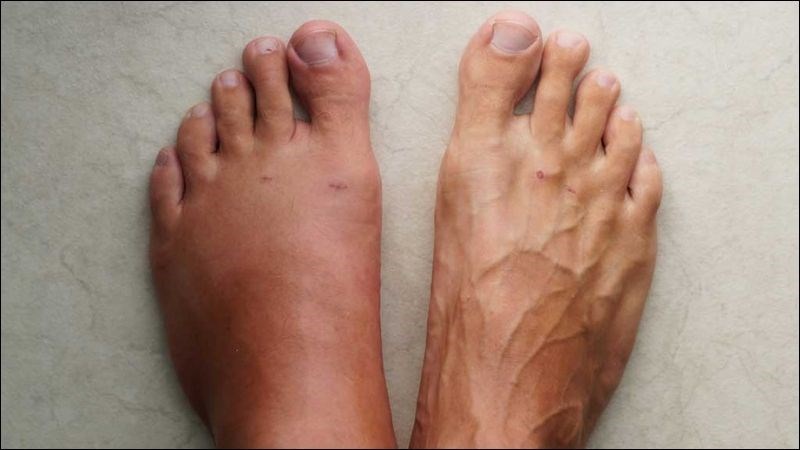
2. Swollen Feet and Ankles
Occasional swelling after long periods of standing is normal. However, persistent or severe swelling - known as edema - can signal underlying health problems.
Possible causes include:
- Heart conditions (such as heart failure)
- Kidney disease
- Liver dysfunction
When the body retains excess fluid, it often accumulates in the lower extremities. If swelling is accompanied by shortness of breath or fatigue, it may require immediate medical attention.

3. Numbness or Tingling Sensation
A tingling or “pins and needles” feeling in the feet can sometimes be temporary, especially after sitting in one position for too long. However, frequent or persistent numbness may point to nerve damage.
One of the most common causes is diabetic neuropathy, a complication of diabetes that affects the nerves. Early signs include:
- Loss of sensation
- Burning or tingling feelings
- Increased sensitivity to touch
Left untreated, this condition can lead to more serious complications, including foot ulcers and infections.

4. Changes in Nail Color or Texture
Your toenails can reveal more than you might expect. Changes in color, thickness, or texture may signal underlying health issues.
For example:
- Yellow or thickened nails may indicate fungal infections
- Pale nails can be linked to anemia
- Dark streaks or unusual pigmentation may require further evaluation
In some cases, nail abnormalities can also be associated with respiratory or liver conditions. Monitoring changes in your nails is a simple yet effective way to stay alert to potential health problems.
5. Cracked Heels and Dry Skin
Dry or cracked skin on the heels is often dismissed as a minor cosmetic issue. However, when it becomes severe or persistent, it may indicate more than just dehydration.
Possible underlying causes include:
- Diabetes
- Thyroid disorders
- Nutritional deficiencies
Cracks in the skin can also increase the risk of infection, especially if left untreated. Proper foot care and hydration are essential, but recurring issues may warrant a deeper health check.
6. Slow-Healing Wounds or Sores
One of the most serious warning signs to watch for is a wound or sore on the foot that takes a long time to heal.
This may be linked to:
- Diabetes
- Poor circulation
- Weakened immune function
Slow-healing wounds increase the risk of infection and, in severe cases, can lead to complications such as ulcers or tissue damage. Early detection and treatment are critical to preventing long-term consequences.

Final Thoughts
Your feet can serve as an early warning system for your body. While not every symptom indicates a serious condition, paying attention to unusual or persistent changes can help detect problems before they become more severe.
If you notice any of these signs, especially if they persist or worsen over time, it’s important to consult a healthcare professional. Prevention and early intervention are key to maintaining long-term health.
Taking care of your feet isn’t just about comfort - it’s about awareness. Sometimes, the smallest signals can carry the most important messages.