6 Plants That May Attract Snakes to Your Yard — And 4 That May Help Deter Them
Seeing a snake in your garden can be unsettling. While most snakes are not aggressive and play an important ecological role, many homeowners prefer to minimize encounters — especially in areas where venomous species live.
Contrary to popular belief, snakes are not directly attracted to specific plants because of scent or flowers. Instead, they are drawn to:
-
Shelter
-
Cool, shaded areas
-
Moist environments
-
Food sources like rodents, frogs, and insects
Certain plants and landscaping features create ideal hiding or hunting environments. Let’s break it down clearly.
6 Types of Plants That May Indirectly Attract Snakes
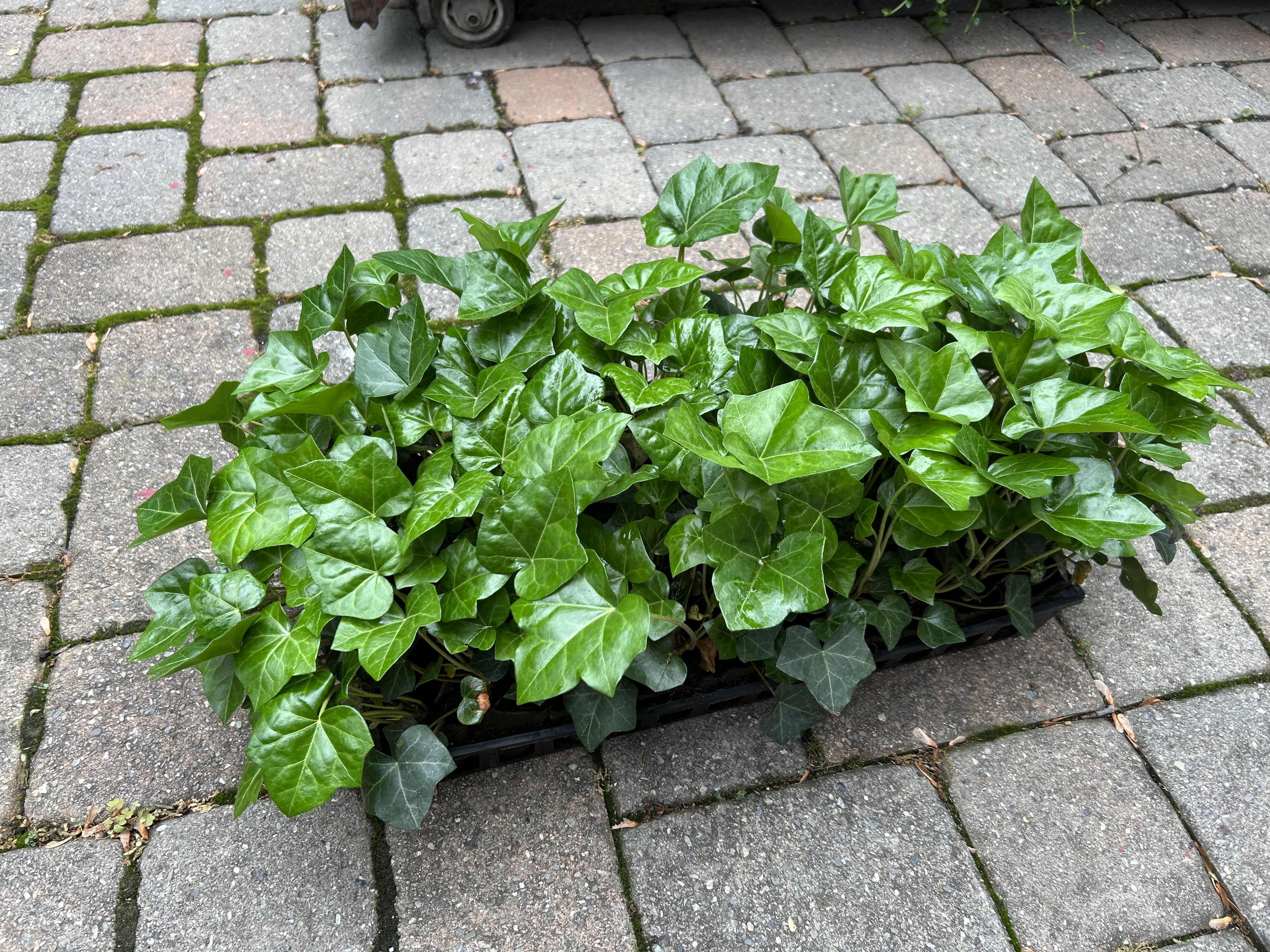
1. Dense Ground Cover Plants

 4
Examples:
-
Ivy
-
Creeping fig
-
Vinca
Why they attract snakes:
Thick ground cover provides shade and protection from predators. It also attracts insects and rodents, which snakes hunt.
2. Tall Ornamental Grasses


 4
Examples:
-
Pampas grass
-
Fountain grass
-
Miscanthus
Why:
Tall grasses create hidden pathways and cool resting spots. If not trimmed regularly, they can become prime snake habitat.
3. Fruit-Bearing Plants and Trees


 4
Examples:
-
Mango trees
-
Fig trees
-
Berry bushes
Why:
Fallen fruit attracts rodents. Rodents attract snakes. It’s a food chain issue — not the plant itself.
4. Water-Loving Plants


 4
Examples:
-
Water lilies
-
Papyrus
-
Canna lilies
Why:
Snakes need water. Moist areas also attract frogs and insects — common prey.
5. Thick Shrubs and Bushes


 4
Examples:
-
Boxwood
-
Juniper
-
Large hedges
Why:
Overgrown shrubs provide dark hiding spots.
6. Mulched Garden Beds


 4
Why:
Mulch retains moisture and warmth, making it an attractive resting area.
4 Plants Commonly Believed to Repel Snakes
It’s important to note: Scientific evidence for plant-based snake repellents is limited. However, some plants are traditionally believed to discourage snakes due to strong scents.
1. Lemongrass


 4
Contains citronella oil, which may deter some insects and possibly discourage certain animals.
2. Marigold


 4
Strong scent may repel insects, indirectly reducing prey sources.
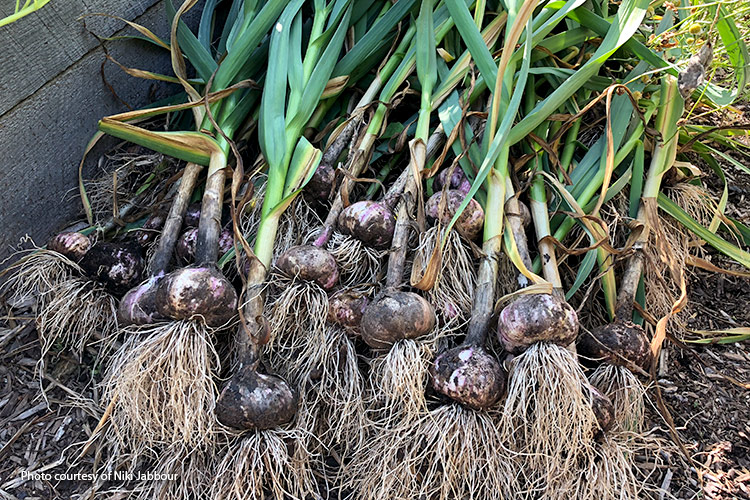
3. Garlic
 4
Some believe sulfur compounds in garlic create an unpleasant environment for snakes.
4. Snake Plant (Sansevieria)


 4
Despite the name, there is no strong scientific proof it repels snakes — but it’s commonly mentioned in folk gardening advice.
What Actually Keeps Snakes Away?
Plants alone are rarely the solution. Effective snake prevention focuses on habitat control:
✔ Keep grass trimmed
✔ Remove brush piles and debris
✔ Seal cracks in foundations
✔ Eliminate rodent populations
✔ Avoid overwatering
✔ Keep firewood elevated off the ground
Snakes are opportunistic. If your yard offers food, shelter, and water, they may visit.
Important Perspective
Most snakes are beneficial. They help control rodent populations and maintain ecological balance.
If you live in an area where venomous snakes are common, consult local wildlife authorities for guidance rather than attempting removal yourself.
Final Thoughts
No plant magically “summons” snakes. They respond to habitat conditions — not flower color or fragrance.
If your goal is prevention, focus on:
-
Reducing clutter
-
Managing pests
-
Maintaining landscaping
A clean, open yard is far less attractive to snakes than a dense, overgrown one.
Nature works in systems. Change the system — and you change the outcome.
Ants Keep Coming Back to Your Sugar Jar? The Hidden Reasons and Smart Solutions Every Homeowner Should Know
You have cleaned the kitchen, wiped the countertop, sealed the sugar jar, and removed every ant you could see. Yet, the following morning, a fresh line of tiny insects appears near the same cupboard.
If this sounds familiar, you are not alone. Ant infestations can be surprisingly persistent, particularly during warm or rainy weather. A kitchen may look spotless to the human eye while still offering ants tiny traces of food, sheltered passageways, and easy access to moisture.
The secret to preventing recurring invasions is to stop thinking of ants as isolated insects and start understanding how they find food, communicate, and move through a home.
A few ants near your sugar jar may be a sign of a much larger trail extending behind cabinets, along window frames, or through small gaps around pipes. Removing the visible insects addresses only the immediate problem. Identifying the reason they keep returning is what makes a lasting difference.
14. Why Ants Sometimes Appear Overnight
One of the strangest things about ants is how quickly they can seem to appear from nowhere.
You may leave the kitchen clean before going to bed and discover dozens of ants near the sugar jar the next morning. This does not necessarily mean the insects suddenly multiplied overnight.
More often, a worker ant discovered a food source earlier and other workers followed the route.