Swollen feet, puffy ankles, or tight shoes at the end of the day can be frustrating—and sometimes alarming. While occasional swelling is common after long hours of standing, travel, salty meals, or hormonal shifts, frequent or sudden water retention may be your body’s way of asking for attention.
Water retention (also called edema) happens when excess fluid builds up in tissues. It may show up in the legs, feet, hands, face, or abdomen, and can be caused by lifestyle habits, medications, or underlying medical conditions.
The good news? In many cases, simple changes can help reduce fluid buildup and improve comfort—starting today.
What Causes Water Retention?
Before solving it, it helps to understand why it happens. Common causes include:
-
Too much salt (sodium) in the diet
-
Sitting or standing for long periods
-
Hormonal changes, especially around menstruation or pregnancy
-
Heat and dehydration (ironically, not drinking enough water can cause your body to hold it)
-
Certain medications, such as steroids, blood pressure drugs, or anti-inflammatory meds
-
Poor circulation, heart, kidney, or liver problems (more serious causes)
If swelling comes with chest pain, severe shortness of breath, or affects only one leg suddenly, seek urgent medical care.
1) Cut Down on Salt — the #1 Water-Retention Trigger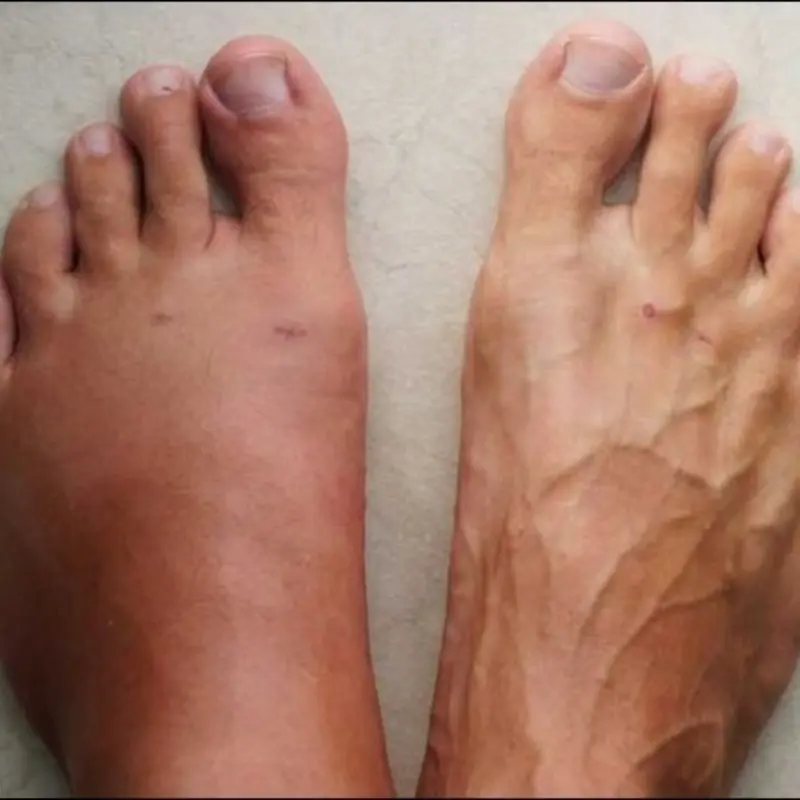
Sodium acts like a sponge in the body, pulling water into tissues. Many people think they don’t eat much salt—but sodium is hidden in processed foods such as:
-
Instant noodles and canned soups
-
Sausages, deli meats, and packaged snacks
-
Sauces, pickles, and fast food
Simple fix: Cook more at home, read labels, and try flavoring meals with herbs, garlic, lemon, pepper, or vinegar instead of salt.
2) Drink More Water (Yes, Really)
When your body senses dehydration, it may hold on to water as a survival response. That’s why people often feel bloated when they drink too little.
Simple fix: Sip water throughout the day, especially if you drink coffee, exercise, or live in hot weather. Staying hydrated helps your kidneys flush excess sodium and supports healthy circulation.
3) Move Your Body and Boost Circulation
Long sitting periods slow blood flow in the legs and cause fluid to pool around the ankles and feet. Even healthy people can experience swelling after workdays spent sitting or standing.
Simple fix:
-
Take a 3–5 minute walk every hour
-
Do ankle circles, calf raises, or foot flexes
-
Try gentle stretching before bed
Movement helps the body “push” fluid back toward the heart and reduces swelling over time.
4) Elevate Your Legs for 15–20 Minutes Daily
Gravity plays a big role in swelling. When you sit or stand all day, fluid naturally sinks into your lower legs.
Simple fix: Lie down and elevate your legs above heart level for 15–20 minutes. Do this once or twice a day, especially after work or before sleeping. Many people notice relief quickly.
5) Eat More Potassium-Rich Foods
Potassium helps balance sodium levels and supports proper fluid regulation. Low potassium may make swelling worse, especially when combined with salty diets.
Potassium-rich options include:
-
Bananas
-
Avocados
-
Spinach
-
Sweet potatoes
-
Coconut water (in moderation)
If you have kidney disease, talk to your doctor before increasing potassium.
6) Reduce Sugar and Refined Carbs
High-sugar diets can cause insulin spikes, leading the body to retain sodium and water. Refined carbs (white bread, pastries, sugary drinks) often increase bloating quickly.
Simple fix: Swap refined carbs for whole foods: oats, brown rice, vegetables, beans, and lean protein. You may notice less puffiness within days.
When Water Retention Could Be a Warning Sign
Occasional swelling is usually harmless—but persistent or worsening edema may suggest an underlying issue such as:
-
Kidney problems
-
Heart disease or heart failure
-
Liver disease
-
Thyroid imbalance
-
Venous insufficiency or blood clots
If swelling appears suddenly, becomes painful, or is paired with fatigue, dizziness, or breathing trouble, don’t self-treat—get medical advice early.
Bottom Line
Water retention is common—but it’s not something you should ignore. For many people, the solution begins with small, daily habits: less salt, more water, movement, leg elevation, potassium-rich foods, and reduced sugar.