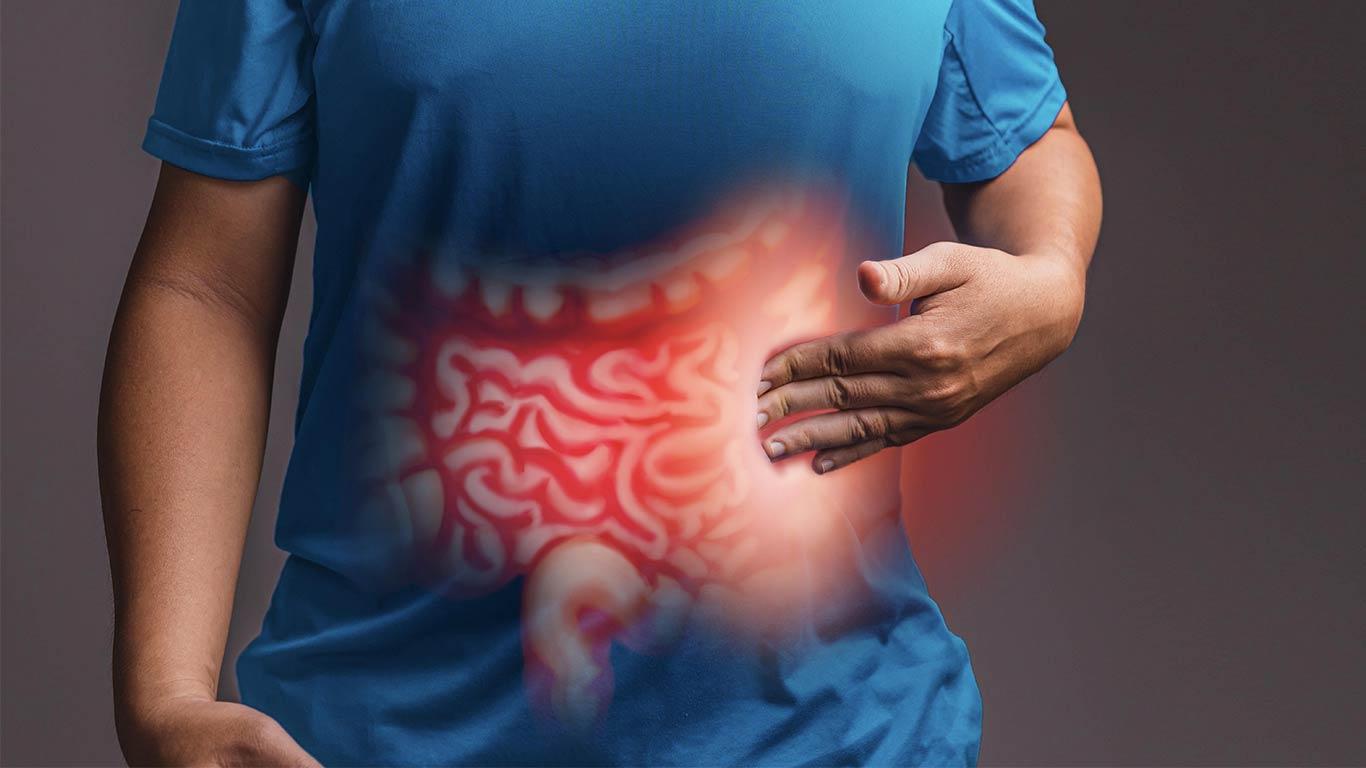
Digestive discomfort is something almost everyone experiences occasionally. Bloating after a heavy meal, mild stomach pain, temporary constipation, or occasional diarrhea are common and often harmless. However, when digestive symptoms become persistent, severe, or unusual, they may sometimes signal more significant intestinal or gastrointestinal problems that deserve medical attention.
The digestive system is responsible for:
- Breaking down food
- Absorbing nutrients
- Supporting immune health
- Removing waste
- Maintaining fluid balance
Because the intestines play such an important role in overall wellness, long-term digestive disturbances may affect many other systems in the body.
Understanding which warning signs should not be ignored may help encourage earlier medical evaluation and better long-term digestive health.
-800x450.jpg)
Why Digestive Health Matters
The digestive tract affects far more than just the stomach.
Healthy digestion supports:
- Nutrient absorption
- Energy production
- Immune function
- Hormonal balance
- Gut microbiome health
When intestinal problems develop, symptoms may gradually affect the entire body.
The Gut and the Immune System
A large portion of the immune system interacts closely with the intestines.
The gut contains:
- Trillions of bacteria
- Immune cells
- Specialized tissues
that help maintain balance and protect against harmful organisms.
Not All Digestive Symptoms Are Serious
Many digestive issues are temporary and may result from:
- Diet changes
- Stress
- Mild infections
- Food intolerance
However, persistent or worsening symptoms should not automatically be dismissed as “normal.”
1. Persistent Abdominal Pain
Occasional stomach discomfort is common, but ongoing or severe abdominal pain deserves attention.
Possible concerning signs include:
- Pain lasting several weeks
- Pain waking someone from sleep
- Sharp or worsening pain
- Pain associated with vomiting or fever
Why Abdominal Pain Can Be Important
Abdominal pain may sometimes reflect:
- Inflammation
- Infection
- Intestinal blockage
- Ulcers
- Gallbladder problems
- Digestive disorders
The location and pattern of pain may provide important clues.
Chronic Inflammation and the Intestines
Conditions involving chronic intestinal inflammation may affect:
- Nutrient absorption
- Bowel function
- Tissue health
Long-term inflammation may damage intestinal lining over time.
2. Blood in the Stool
Blood in the stool should never be ignored.
Possible signs include:
- Bright red blood
- Dark tar-like stool
- Blood mixed with stool
Even small amounts deserve medical evaluation.
Why Blood May Appear
Blood in stool may result from:
- Hemorrhoids
- Intestinal inflammation
- Ulcers
- Polyps
- Infections
- Colorectal disease
Only proper medical evaluation can determine the cause.
Digestive Bleeding Requires Attention
Persistent or significant digestive bleeding may contribute to:
- Anemia
- Fatigue
- Weakness
- Dizziness
Medical evaluation becomes especially important if symptoms worsen.
3. Unexplained Weight Loss
Losing weight unintentionally may sometimes signal digestive or metabolic problems.
Possible signs include:
- Reduced appetite
- Muscle loss
- Fatigue
- Difficulty eating
Unexplained weight loss should always be evaluated medically.

Why Intestinal Problems May Affect Weight
Digestive disorders may interfere with:
- Nutrient absorption
- Appetite
- Metabolism
- Digestion efficiency
Chronic illness may also increase the body’s energy demands.
4. Persistent Changes in Bowel Habits
Temporary constipation or diarrhea may happen occasionally.
However, persistent changes lasting several weeks may deserve attention.
Possible warning signs include:
- Chronic diarrhea
- Ongoing constipation
- Narrow stools
- Urgency
- Frequent bowel changes
Why Bowel Changes Matter
The intestines help regulate waste movement and fluid balance.
Persistent changes may sometimes indicate:
- Infection
- Inflammation
- Irritable bowel conditions
- Structural abnormalities
The Gut Microbiome and Digestion
Healthy intestines rely on balanced gut bacteria.
Disruptions involving:
- Diet
- Antibiotics
- Illness
- Stress
may affect bowel function and digestive comfort.
5. Severe Bloating or Abdominal Swelling
Bloating is common occasionally, but persistent or painful bloating may deserve evaluation.
Possible symptoms include:
- Tight abdomen
- Visible swelling
- Pressure
- Excess gas
- Discomfort after eating
Why Bloating Happens
Bloating may result from:
- Gas buildup
- Food intolerance
- Slowed digestion
- Inflammation
- Fluid retention
In some cases, it may signal more significant digestive conditions.
Food Sensitivities and Digestive Symptoms
Certain foods may trigger digestive discomfort in sensitive individuals.
Common triggers may include:
- Dairy
- Gluten
- Highly processed foods
- Fatty meals
Tracking food patterns may help identify possible sensitivities.
6. Ongoing Fatigue and Weakness
Digestive disorders may sometimes cause:
- Chronic fatigue
- Weakness
- Brain fog
especially when nutrient absorption becomes impaired.
Why Digestive Problems Affect Energy
The intestines absorb nutrients essential for:
- Energy production
- Red blood cells
- Muscle function
- Brain health
Poor absorption may contribute to fatigue over time.
Nutrient Deficiencies and the Gut
Certain intestinal conditions may reduce absorption of:
- Iron
- Vitamin B12
- Folate
- Protein
Deficiencies may gradually affect overall health.
Other Symptoms That Should Not Be Ignored
Additional warning signs may include:
- Persistent nausea
- Vomiting
- Fever
- Difficulty swallowing
- Severe reflux
- Night sweats
Symptoms become more concerning when they persist or combine together.
Stress and Digestive Health
The digestive system and nervous system are closely connected.
Stress may affect:
- Gut movement
- Acid production
- Inflammation
- Bowel habits
However, serious symptoms should not automatically be blamed on stress alone.
The Brain-Gut Connection
The gut contains extensive nerve networks sometimes called:
- The “second brain”
Emotional stress may influence digestive symptoms, while digestive disorders may also affect mood and mental health.
The Importance of Colon Health
The colon helps:
- Process waste
- Absorb water
- Support beneficial bacteria
Maintaining colon health is important for long-term wellness and digestive balance.
Healthy Habits That Support Digestive Wellness
Helpful habits may include:
- Eating more fiber
- Staying hydrated
- Exercising regularly
- Managing stress
- Sleeping adequately
- Limiting ultra-processed foods
Balanced routines support healthier digestion over time.
Fiber and Intestinal Health
Fiber helps:
- Support regular bowel movements
- Feed beneficial gut bacteria
- Improve stool consistency
Vegetables, fruits, whole grains, and legumes are good fiber sources.
Hydration and Digestion
Water supports:
- Nutrient transport
- Stool softness
- Digestive movement
Dehydration may worsen constipation and digestive discomfort.
Exercise and the Digestive System
Physical activity may help:
- Stimulate intestinal movement
- Improve circulation
- Support metabolism
Even moderate movement may positively affect digestive function.
Why Early Evaluation Matters
Many digestive conditions are easier to manage when identified earlier.
Early medical evaluation may help:
- Reduce complications
- Improve treatment options
- Prevent worsening symptoms
Ignoring warning signs may allow problems to progress further.
Digestive Screening and Checkups
Doctors may recommend:
- Stool testing
- Blood tests
- Imaging
- Colonoscopy
depending on symptoms, age, and family history.
Routine screening may help detect problems earlier.
When to Seek Immediate Medical Care
Urgent medical attention is important for symptoms such as:
- Severe abdominal pain
- Heavy bleeding
- Fainting
- High fever
- Persistent vomiting
- Sudden abdominal swelling
Emergency symptoms should never be delayed.
Final Thoughts
Digestive symptoms such as persistent abdominal pain, blood in the stool, unexplained weight loss, ongoing bowel changes, severe bloating, and chronic fatigue may sometimes signal more serious intestinal or gastrointestinal problems that deserve medical evaluation.
Although many digestive complaints are temporary and harmless, persistent or worsening symptoms should never be ignored. The digestive system plays a major role in overall health, and early attention to warning signs may help support better long-term outcomes, improved quality of life, and healthier intestinal function over time.