
Why You Should Try Steamed Ginger Daily: Immune Support, Warmth, and Cold Relief
The Power of Steamed Ginger: A Simple Habit for Immunity and Cold Protection
Health 23/04/2026 12:09
6 Warning Signs That Your Intestinal Condition May Be Serious
However, some intestinal symptoms can indicate more significant underlying issues that should not be overlooked. Although these signs do not diagnose any specific condition on their own, they may signal inflammation, infection, structural changes, or chronic digestive disorders that require medical evaluation. Understanding these warning signs can help individuals seek timely care and prevent complications. Below are six symptoms that, when persistent or unexplained, may suggest a more serious intestinal issue.
1. Continuous or Worsening Abdominal Pain
Occasional stomach discomfort is normal, especially after heavy meals or minor infections. But persistent, sharp, or worsening abdominal pain—particularly if it recurs daily or interferes with activities—may indicate intestinal inflammation, obstruction, ulceration, or other gastrointestinal disorders. Pain that improves temporarily but returns regularly is especially worth monitoring. Severe pain accompanied by fever, vomiting, or tenderness is a clear signal that medical assessment is necessary.
2. Persistent Diarrhea or Changes in Bowel Habits
Short-term diarrhea is usually the result of infection or food intolerance. However, when diarrhea lasts longer than a few days, becomes chronic, or alternates with constipation, it may reflect a more complex intestinal condition. Disorders such as inflammatory bowel disease (IBD), irritable bowel syndrome (IBS), malabsorption syndromes, or chronic infections can lead to ongoing changes in bowel patterns. Blood, mucus, or unusual coloration in the stool also requires prompt evaluation.
3. Unexplained Weight Loss
Losing weight without changing diet or exercise is one of the most important signs that an intestinal issue may be affecting nutrient absorption or appetite. Certain disorders interfere with the body's ability to digest or absorb food properly, leading to unintended weight loss over time. This symptom becomes more concerning when accompanied by fatigue, abdominal pain, or persistent diarrhea. Even modest weight loss should be monitored if it happens unintentionally.
4. Chronic Fatigue or Low Energy
When the intestines are not functioning properly, the body may struggle to absorb essential nutrients such as iron, B vitamins, and electrolytes. This can lead to chronic fatigue, reduced stamina, and a general sense of weakness. Fatigue can also arise from ongoing inflammation, which places additional stress on the body. Although low energy is a nonspecific symptom, it becomes more meaningful when paired with other gastrointestinal complaints.
5. Blood in the Stool or Black, Tarry Stools
The presence of blood—either bright red or darker—should always be taken seriously. Bright red blood may indicate bleeding from the lower intestines, such as hemorrhoids, fissures, or inflammation. Dark, tarry stools may signal bleeding higher in the digestive tract. While not all causes of intestinal bleeding are severe, identifying the source is crucial. This symptom is one of the strongest indicators that medical evaluation should not be delayed.
6. Persistent Bloating and Fullness
While bloating is common, ongoing or painful bloating that lasts for hours after eating may point to motility issues, intestinal inflammation, food intolerance, or obstruction. When bloating frequently accompanies nausea, early satiety, or changes in bowel habits, it becomes an important sign that the digestive system is under strain. Persistent bloating should not be dismissed as merely dietary—especially when it disrupts daily comfort.
Why These Signs Matter
These symptoms do not automatically indicate a severe condition, but their persistence suggests that the intestines may be struggling to function effectively. Early evaluation helps identify inflammation, polyps, infection, structural changes, or chronic disorders before they progress. Timely diagnosis enables more effective treatment and reduces the risk of complications such as malnutrition, dehydration, or long-term damage to intestinal tissues.
Taking a Proactive Approach
Monitoring symptoms, noting patterns, and seeking medical advice when changes persist is an essential part of maintaining digestive health. Intestinal conditions can be complex, but early attention to warning signs ensures better outcomes. Individuals who experience any of the six symptoms regularly should consider consulting a healthcare professional for appropriate evaluation and guidance.
The Power of Steamed Ginger: A Simple Habit for Immunity and Cold Protection

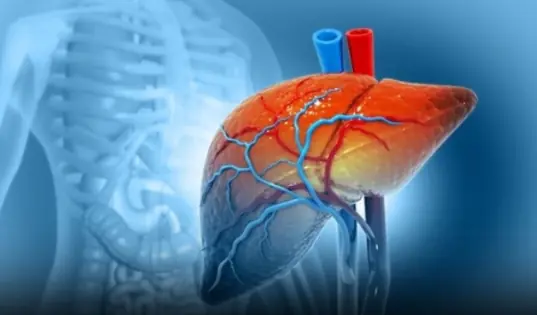



7 warning signs in your feet that may indicate kidney problems
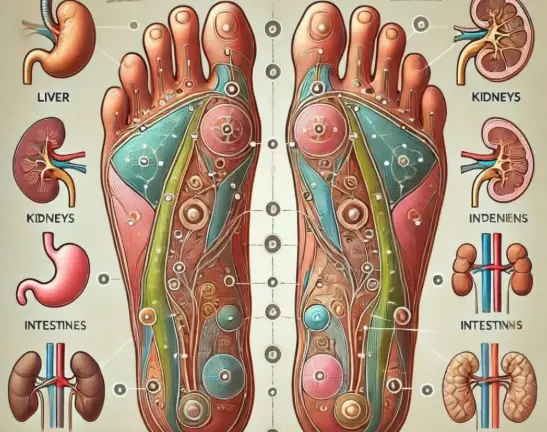
Most people don’t think of their feet as a “health warning system,” but your feet are actually one of the first places where hidden internal problems show up.
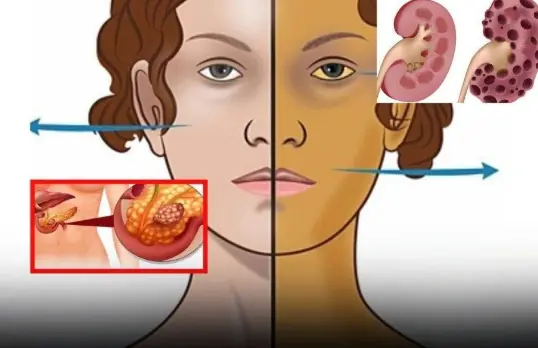

5 Early Signs of a Mini Stroke in the Elderly
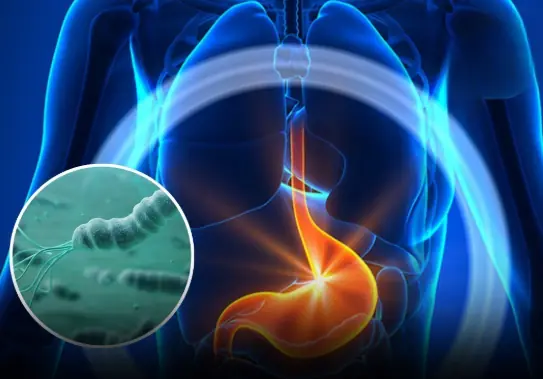
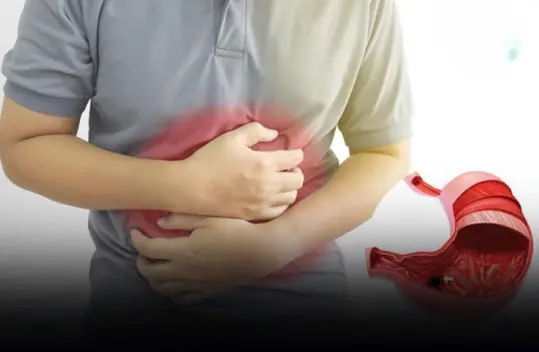
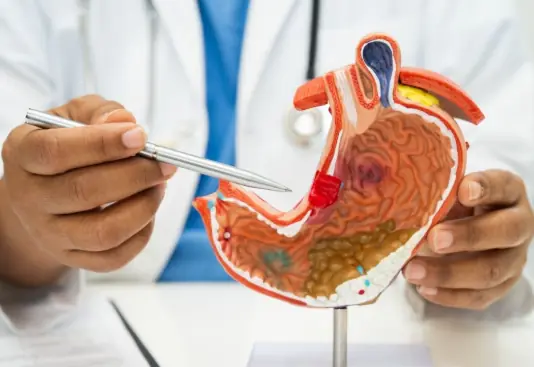
Stomach problems are common and often start with mild discomfort—things like occasional bloating, indigestion, or temporary pain after eating.

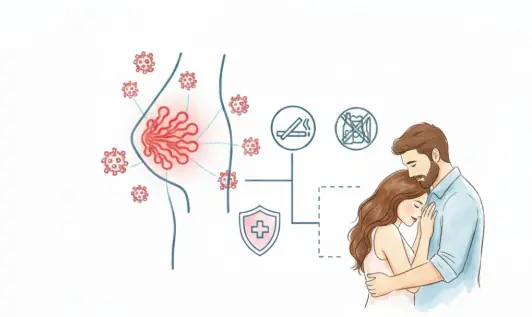
The influence of a husband’s habits on his wife’s well-being is far greater than many couples realize. Small daily choices — whether neglecting exercise or lighting a cigarette — can quietly accumulate into significant health risks over time.

A Common but Hidden Infection: Doctors Share Key Symptoms Women Should Know

Morning Heel Pain Explained: What Your Body Is Trying to Tell You

These Common Nail Changes After 40 May Be Warning Signs — Don’t Ignore Them
Is green broccoli really as healthy as you think? Experts explain… See more

She seemed healthy… until this happened overnight
The Power of Steamed Ginger: A Simple Habit for Immunity and Cold Protection

7 Science-Backed Health Benefits of Chayote Squash You Shouldn’t Miss
7 warning signs in your feet that may indicate kidney problems
Most people don’t think of their feet as a “health warning system,” but your feet are actually one of the first places where hidden internal problems show up.
5 Early Signs of a Mini Stroke in the Elderly
Stomach problems are common and often start with mild discomfort—things like occasional bloating, indigestion, or temporary pain after eating.

From Storms to Smiles: Understanding the Emotional Seasons We All Go Through
The influence of a husband’s habits on his wife’s well-being is far greater than many couples realize. Small daily choices — whether neglecting exercise or lighting a cigarette — can quietly accumulate into significant health risks over time.

Tapeworms and Vegetables: The Hidden Risk You Can Easily Prevent
A Common but Hidden Infection: Doctors Share Key Symptoms Women Should Know

If you spot these 4 types of garlic at the market, it’s best to avoid them