6 Warning Signs Your Body Might Be Nurturing Can.cer—Symptoms You Should Never Ignore
Cancer is one of the most serious diseases worldwide, and what makes it especially dangerous is how quietly it can develop. In many cases, the body begins sending subtle warning signals long before a diagnosis is made—but these signs are often ignored or mistaken for minor health issues.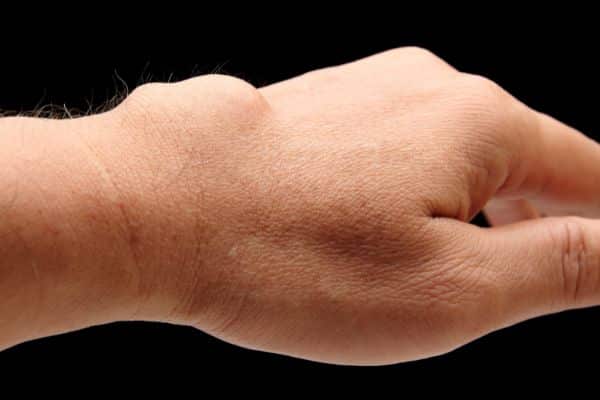
Recognizing these early symptoms can make a life-saving difference. Here are six key warning signs your body may be “nurturing” cancer.
1. Persistent lumps or unusual swelling
One of the most common early signs is the appearance of a lump or swelling that doesn’t go away.
These may appear:
- In the neck
- Under the arms
- Around the groin
- Or in breast or testicular tissue
While not all lumps are cancerous, persistent or growing ones should always be checked, as they may be linked to conditions like lymphoma or breast cancer.
2. Unexplained weight loss
Losing weight without trying—especially more than 5–10 kg—can be an early warning sign.
Cancer cells consume large amounts of energy and can disrupt how the body processes nutrients, leading to sudden weight loss.
This symptom is often associated with cancers of the stomach, pancreas, lungs, or esophagus.
3. Chronic cough or persistent hoarseness
A cough that lasts more than three weeks, especially without signs of a cold or infection, should not be ignored.
Warning signs include:
- Ongoing dry cough
- Hoarseness or voice changes
- Coughing up blood
These symptoms may be linked to cancers of the lungs, throat, or thyroid.
4. Unusual bleeding
Any unexplained bleeding in the body is a serious red flag.
Examples include:
- Blood in stool (possible colorectal cancer)
- Blood in urine (bladder or kidney cancer)
- Abnormal vaginal bleeding (cervical or uterine cancer)
Even minor but recurring bleeding should be evaluated by a doctor.
5. Constant fatigue that doesn’t improve
Unlike normal tiredness, cancer-related fatigue does not go away with rest.
It may:
- Persist for long periods
- Interfere with daily activities
- Worsen over time
This can be an early sign of leukemia or cancers involving internal bleeding, such as colon or stomach cancer.
6. Changes in skin appearance
Your skin can reveal more about your health than you think.
Watch for:
- New moles or changes in existing ones
- Yellowing of the skin or eyes
- Dark patches or unusual pigmentation
- Sores that don’t heal
These changes may be linked to skin cancer or internal diseases such as liver cancer.
Why these signs are often ignored
One of the biggest dangers is that these symptoms seem “normal.”
People often dismiss:
- Fatigue as stress
- A cough as a cold
- Weight loss as a positive change
But when symptoms persist or worsen over time, they may indicate something much more serious.
When should you see a doctor?
Experts recommend seeking medical advice if any of these symptoms:
- Last more than 2–3 weeks
- Become more severe
- Appear without a clear cause
Early detection significantly increases the chances of successful treatment and recovery.
The bottom line
Your body often gives early warning signs before serious diseases develop.
Ignoring them could delay diagnosis—but paying attention could save your life.
Listen to your body. It might be trying to tell you something important.