Your heart works continuously, pumping blood and oxygen throughout your body. Because of this, problems affecting the heart and blood vessels can sometimes produce changes that are felt far beyond the chest.
Chest pressure is one of the best-known warning signs of a heart problem, but it isn't the only one. Shortness of breath, unusual fatigue, swelling, dizziness, palpitations, and changes in exercise tolerance can also occur with cardiovascular conditions. The American Heart Association notes that some cardiovascular diseases may produce subtle symptoms that people don't immediately associate with the heart.
At the same time, these symptoms are not proof of heart disease. Many can be caused by anemia, respiratory conditions, anxiety, medications, infections, digestive problems, or other health issues.
What matters is recognizing changes that are new, persistent, unexplained, or significantly different from your normal.
Here are 7 body changes worth paying attention to.

1. Unusual Shortness of Breath
Getting out of breath after intense exercise is normal.
What deserves more attention is becoming unusually breathless during activities that previously felt easy.
You might notice that you become short of breath when:
-
Walking up a flight of stairs
-
Carrying groceries
-
Walking a familiar distance
-
Doing household chores
-
Exercising at your usual intensity
Shortness of breath can occur with several cardiovascular conditions, including heart failure and some forms of coronary artery disease. It can also occur with lung disease, asthma, anemia, infections, and other conditions.
A gradual decline in exercise tolerance shouldn't automatically be blamed on getting older or being "out of shape."
If the change is persistent or unexplained, it is worth discussing with a healthcare professional.
When it becomes an emergency
Sudden or severe difficulty breathing—especially when accompanied by chest discomfort, fainting, confusion, or bluish lips—requires emergency medical attention.
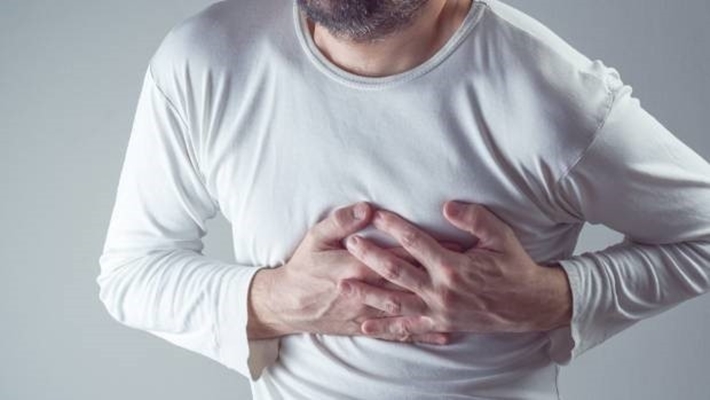
2. Chest Pressure, Tightness, or Discomfort
Chest pain is probably the symptom most people associate with heart problems.
But cardiac discomfort isn't always described as sharp pain.
It may feel like:
-
Pressure
-
Tightness
-
Squeezing
-
Heaviness
-
Fullness
-
Burning or discomfort
The American Heart Association notes that heart attack symptoms can involve discomfort in the center of the chest that lasts several minutes or goes away and returns.
Chest symptoms can also occur in the:
-
Upper abdomen
-
Back
-
Shoulders
-
Arms
-
Neck
-
Jaw
Not every episode of chest pain is cardiac. Acid reflux, muscle strain, anxiety, respiratory conditions, and other problems can produce similar sensations.
But because a heart attack can be life-threatening, new or unexplained chest pressure should never be casually dismissed.
3. Swelling in Your Legs, Ankles, or Feet
Have your shoes suddenly started feeling tighter?
Do your ankles appear more swollen at the end of the day?
Fluid accumulation can sometimes cause swelling in the lower body.
Heart failure can contribute to fluid retention because the heart isn't pumping blood as effectively as it should. This may lead to swelling in the:
-
Feet
-
Ankles
-
Lower legs
-
Abdomen
The CDC also lists swelling of the feet or ankles as a possible symptom of heart valve disease.
However, swelling doesn't automatically indicate a heart problem.
Other possible causes include:
-
Kidney disease
-
Liver disease
-
Venous insufficiency
-
Certain medications
-
Pregnancy
-
Prolonged sitting or standing
Pay attention to the pattern
Persistent swelling, especially when combined with shortness of breath, rapid weight gain, or reduced exercise tolerance, deserves medical evaluation.
4. A Noticeable Drop in Exercise Tolerance
Sometimes the first sign that something has changed isn't pain—it's performance.
You may notice that activities you previously handled comfortably now leave you:
-
Exhausted
-
Breathless
-
Weak
-
Lightheaded
-
Needing frequent breaks
For example, perhaps you used to walk for 30 minutes without difficulty but now need to stop after 10 minutes.
This doesn't necessarily mean your heart is the problem. Deconditioning, anemia, lung disease, poor sleep, infections, medications, and other factors can all reduce exercise tolerance.
However, a new and persistent decline without an obvious explanation deserves attention.
Heart failure and other cardiovascular conditions can cause fatigue and reduced exercise capacity.
5. Unusual Fatigue or Weakness
Everyone gets tired.
The concern is fatigue that seems disproportionate to your activities or doesn't improve adequately with rest.
You may feel:
-
Drained throughout the day
-
Unusually weak
-
Exhausted after minimal activity
-
Unable to maintain your usual routine
-
Tired along with shortness of breath
Fatigue can occur in several cardiovascular conditions, including heart failure and some acute coronary syndromes. The American Heart Association specifically identifies unusual tiredness as one possible warning sign of heart attack.
Women may experience unusual fatigue, weakness, nausea, or shortness of breath during a heart attack without necessarily having dramatic chest pain.
Again, fatigue is extremely nonspecific. It can also result from anemia, thyroid problems, sleep disorders, infections, medications, stress, or depression.
The key is a new, persistent, or unexplained change.
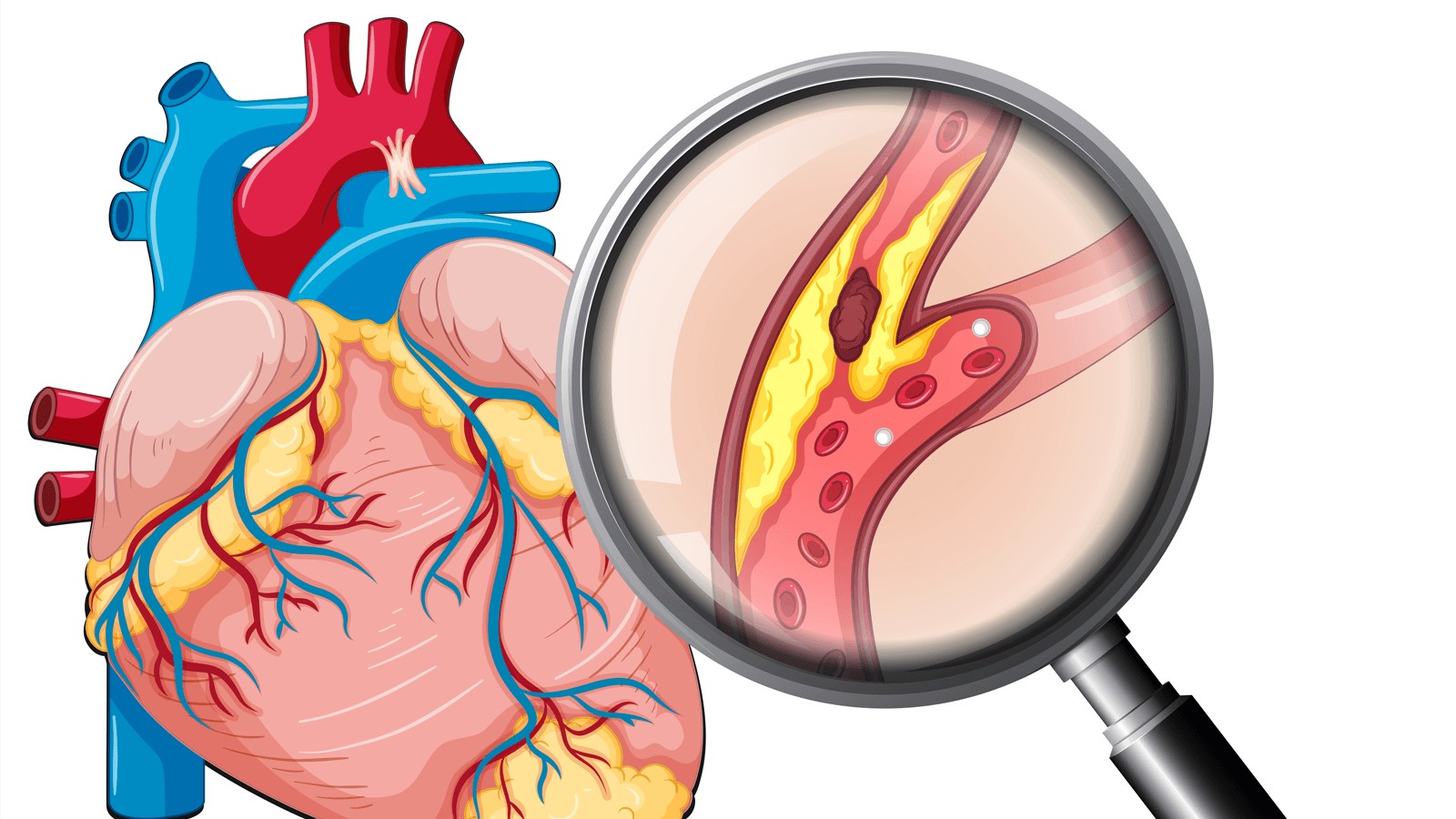
6. Palpitations, Racing, or Irregular Heartbeats
Have you ever suddenly felt your heart:
-
Racing
-
Fluttering
-
Pounding
-
Skipping a beat
-
Beating irregularly
These sensations are commonly called palpitations.
Occasional palpitations can happen after:
-
Caffeine
-
Exercise
-
Stress
-
Anxiety
-
Lack of sleep
-
Certain medications
But recurrent or persistent palpitations can sometimes be associated with an abnormal heart rhythm, known as an arrhythmia.
The American Heart Association describes arrhythmia symptoms as potentially including irregular, fast, fluttering, or halting heartbeats, along with symptoms such as fatigue, shortness of breath, dizziness, chest discomfort, or fainting.
If palpitations repeatedly occur, become more frequent, or happen together with dizziness or fainting, medical evaluation is important.
7. Dizziness, Lightheadedness, or Fainting
Feeling dizzy after standing up quickly can happen to healthy people.
But unexplained or recurrent dizziness can have many causes, including cardiovascular problems.
Some heart rhythm disorders can reduce effective blood flow to the brain, potentially causing:
-
Lightheadedness
-
Near-fainting
-
Fainting
-
Weakness
Fainting, particularly during exercise or when accompanied by chest discomfort or palpitations, deserves prompt medical evaluation.
The CDC also lists dizziness or fainting among possible symptoms of heart valve disease.
Sudden loss of consciousness should always be taken seriously.
Heart Symptoms Aren't Always "Classic"
One reason cardiovascular problems can be overlooked is that symptoms don't always match the stereotype.
Many people imagine a heart attack as someone suddenly clutching their chest.
Some heart attacks do begin that way. But symptoms can also develop gradually and may include:
-
Shortness of breath
-
Unusual fatigue
-
Nausea
-
Cold sweating
-
Lightheadedness
-
Pain in the jaw, neck, back, arm, or shoulder
The American Heart Association emphasizes that heart attack symptoms can vary between people. Women may be more likely to experience symptoms such as shortness of breath, nausea or vomiting, back or jaw discomfort, and unusual tiredness or weakness in addition to—or sometimes instead of—classic chest discomfort.
That doesn't mean every episode of fatigue or nausea is a cardiac warning sign. It means that context matters.
What About Digestive Symptoms?
Heart problems can occasionally feel like digestive problems.
Some people experiencing an acute coronary syndrome may experience:
-
Nausea
-
Vomiting
-
Upset stomach
-
Discomfort in the upper abdomen
The American Heart Association includes nausea and vomiting among possible heart attack warning symptoms.
This is one reason it can be risky to automatically assume that unusual upper-body discomfort or nausea is simply indigestion—particularly when it occurs alongside sweating, breathlessness, dizziness, or chest pressure.
What About Sudden Sweating?
Breaking out in an unexplained cold sweat can occur during a heart attack.
It may occur alongside:
-
Chest discomfort
-
Shortness of breath
-
Nausea
-
Lightheadedness
-
Pain in the arm, back, neck, or jaw
Cold sweating alone doesn't diagnose a heart problem. Anxiety, infection, hormonal changes, low blood sugar, and other conditions can cause sweating.
But sudden unexplained sweating accompanied by other possible cardiac symptoms should be taken seriously.
When Should You Call Emergency Services?
This is the most important part of the article.
Do not wait for symptoms to become unbearable before seeking emergency help.
According to the American Heart Association, emergency symptoms of a possible heart attack can include chest discomfort, discomfort in the arms, back, neck, jaw, or stomach, shortness of breath, cold sweating, nausea, rapid or irregular heartbeat, unusual fatigue, and lightheadedness.
If these symptoms are occurring suddenly or together, seek emergency medical care immediately.
If you're unsure whether symptoms are serious, it is safer to be evaluated rather than trying to diagnose the problem at home.
Don't Assume It's "Just Anxiety"
Anxiety and panic attacks can cause very real physical symptoms, including:
-
Racing heart
-
Chest discomfort
-
Shortness of breath
-
Sweating
-
Dizziness
-
Nausea
The problem is that some of these symptoms can also occur during a heart attack.
The American Heart Association advises not taking chances when symptoms could represent a heart attack. (www.heart.org)
If you have new or unusual symptoms, particularly if you're at increased cardiovascular risk, seek appropriate medical evaluation rather than assuming anxiety is the explanation.
What Increases the Risk of Heart Problems?
The likelihood of cardiovascular disease is influenced by many factors.
Important risk factors include:
-
High blood pressure
-
High LDL cholesterol
-
Diabetes
-
Smoking
-
Obesity
-
Physical inactivity
-
Family history of cardiovascular disease
-
Increasing age
-
Certain medical conditions
Having a risk factor does not mean that you will develop heart disease.
But it does make prevention and regular health monitoring more important.
How Can You Support Your Heart Health?
Heart health isn't about one food, supplement, or miracle drink.
A long-term approach is much more effective.
Stay Physically Active
Regular physical activity supports cardiovascular fitness, blood pressure, weight management, and metabolic health.
Eat a Balanced Diet
Build meals around:
-
Vegetables
-
Fruits
-
Whole grains
-
Beans and legumes
-
Nuts and seeds
-
Fish
-
Lean protein
-
Unsaturated fats
Limit excessive amounts of highly processed foods, added sugars, and sodium.
Don't Smoke
Smoking damages blood vessels and substantially increases cardiovascular risk.
Monitor Blood Pressure
High blood pressure often causes no obvious symptoms, which makes regular measurement particularly important.
Manage Blood Sugar and Cholesterol
If you have diabetes or high cholesterol, follow your healthcare professional's recommendations for monitoring and treatment.
Prioritize Sleep
Poor sleep can affect several cardiovascular risk factors, including blood pressure and metabolic health.
The Importance of Knowing Your Normal
One of the most useful things you can do is understand your personal baseline.
Know what is normal for you:
-
How far you can comfortably walk
-
How much activity you normally tolerate
-
Your usual resting heart rate
-
Your typical blood pressure
-
Your normal energy level
-
Whether you commonly experience palpitations
A meaningful change from your baseline can be more informative than comparing yourself with someone else.
For example, a person who suddenly becomes breathless walking up stairs after previously having no problem should pay attention to that change.
The Bottom Line
Your body may sometimes provide clues when your cardiovascular health needs attention. Chest discomfort, unusual shortness of breath, swelling, reduced exercise tolerance, persistent fatigue, palpitations, and unexplained dizziness or fainting are among the changes worth discussing with a healthcare professional.
But these symptoms are not automatically signs of heart disease. Many have other explanations, and only a proper medical assessment can determine the cause.
The key is not to panic over every unusual sensation. Instead, pay attention to new, persistent, worsening, or unexplained changes, especially when several symptoms occur together.
And remember the emergency warning signs: new chest pressure or discomfort, shortness of breath, pain spreading to the arm, back, neck, jaw, or upper abdomen, cold sweating, nausea, unusual fatigue, or lightheadedness can occur during a heart attack. If these symptoms are sudden or concerning, seek emergency medical care immediately.
Your heart doesn't always send a dramatic warning. Sometimes, the first clue is simply that something about your normal physical routine has changed. Paying attention—and getting the right evaluation when necessary—can make that change worth listening to.