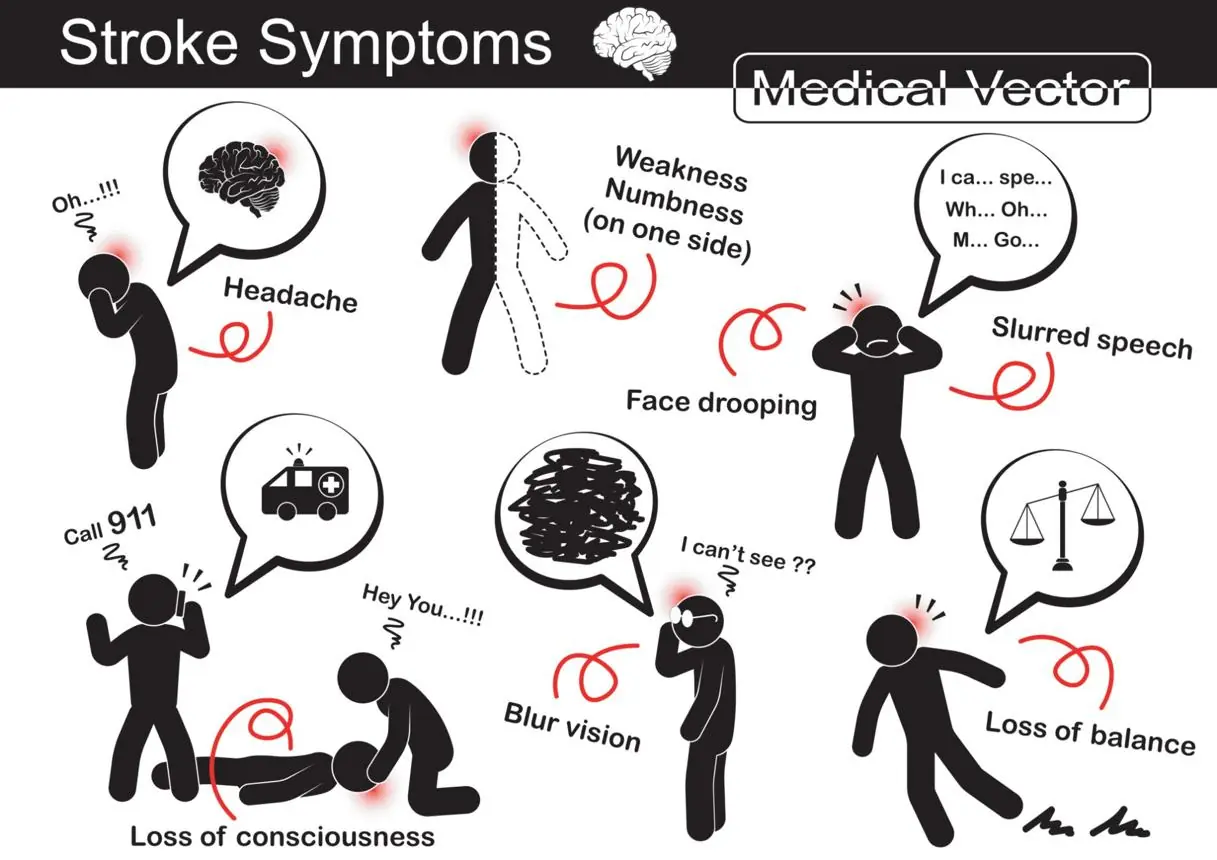
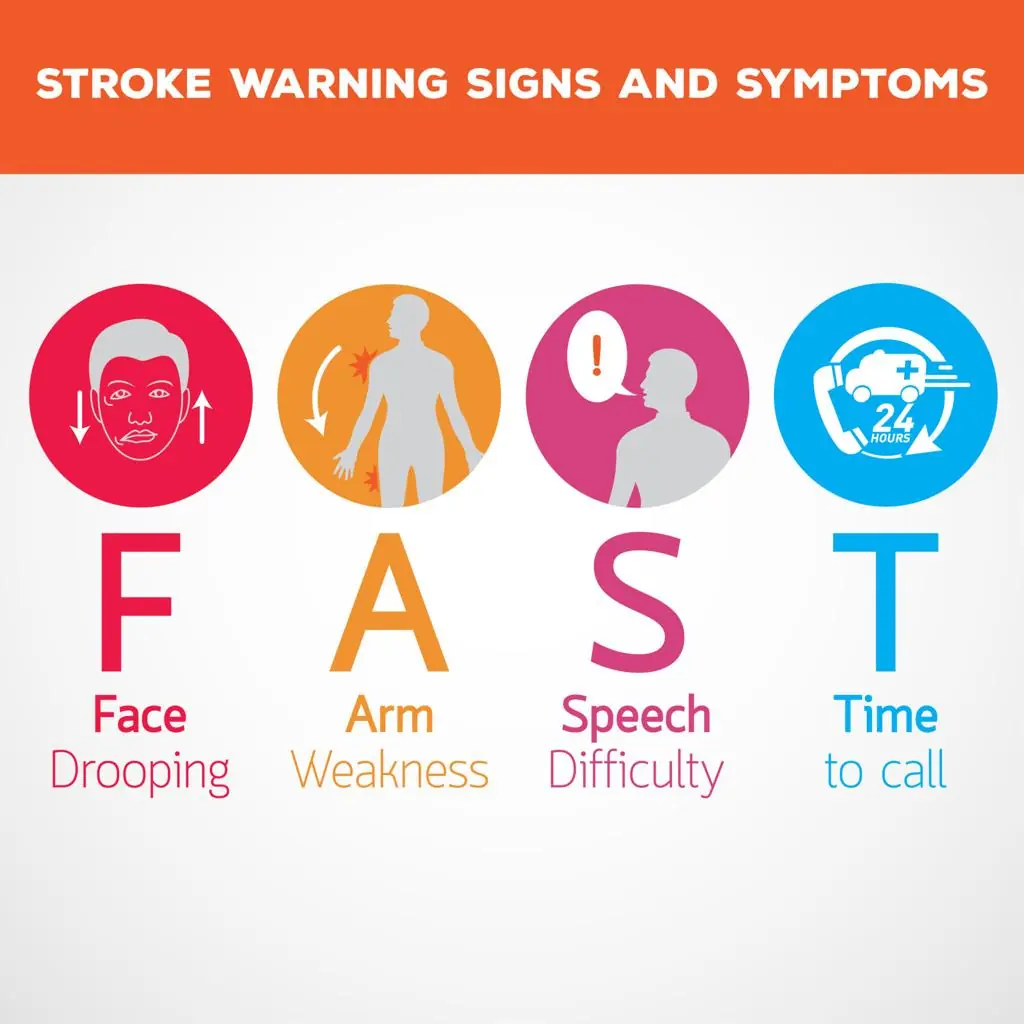
7 Early Stroke Symptoms in Women That Often Go Unnoticed

Chapter 1

Theme:
Font Size:
24px

7 Subtle Stroke Symptoms Many Women Ignore — But Shouldn’t
https://images.openai.com/static-rsc-4/2F72eNlbHd57p7UgWMHEFGDzXu7c_OPLiq5tX0PLzyT66KtMlMghx6RiyZYY4mBpScousbc5lM6-s7pl-pHUsZd3Mb5gDtoTJWT-PeN2aMQiexiRzut2XL-Ul9BB8X1uLHtIQuWm1GHzkD8mP5odfA15hqSXR_VHLp8q-tMqknHWPI7Ysmo-9iutDQbV-ZIJ?purpose=fullsizehttps://images.openai.com/static-rsc-4/u0APosK98wbvxP9VhGV9M_YZ1MbrMWh5bEEHgVSTJgYEUNdXGSd1XVfkrGY9hk5IUG4QOYzOrKWDGkmmYBm8o8KmCZzDsAwDZHYPvB_hUUoCYyo4EKdX-9E7Luz28uHg3TYqgm0gINSeii-T5JPf6-lmCap-acF7BqyD7XYA5WZ3V_v9pu73Dw8IDhwC5gYx?purpose=fullsizehttps://images.openai.com/static-rsc-4/PrfzndXfYZVT-d6MjagM1Lsmf5i1QzdT9itW-D4hajo9d6XlWbMHZJEd88HMCnMmvtetXpOv0H4pD3e1rn61kaUeIPCcG-VSORiUxXl9w1oayzKs4yjL7J0yXfW07ofo2P1Emks06ePrPavCtommyC_AAgWc4wszuZVW-bgzokMUfUQ1uF5jTb8A8O_erzjc?purpose=fullsize

6

Stroke doesn’t always look dramatic.

Especially in women, the warning signs can be subtle, confusing, and easy to dismiss.

And that’s exactly what makes them dangerous.

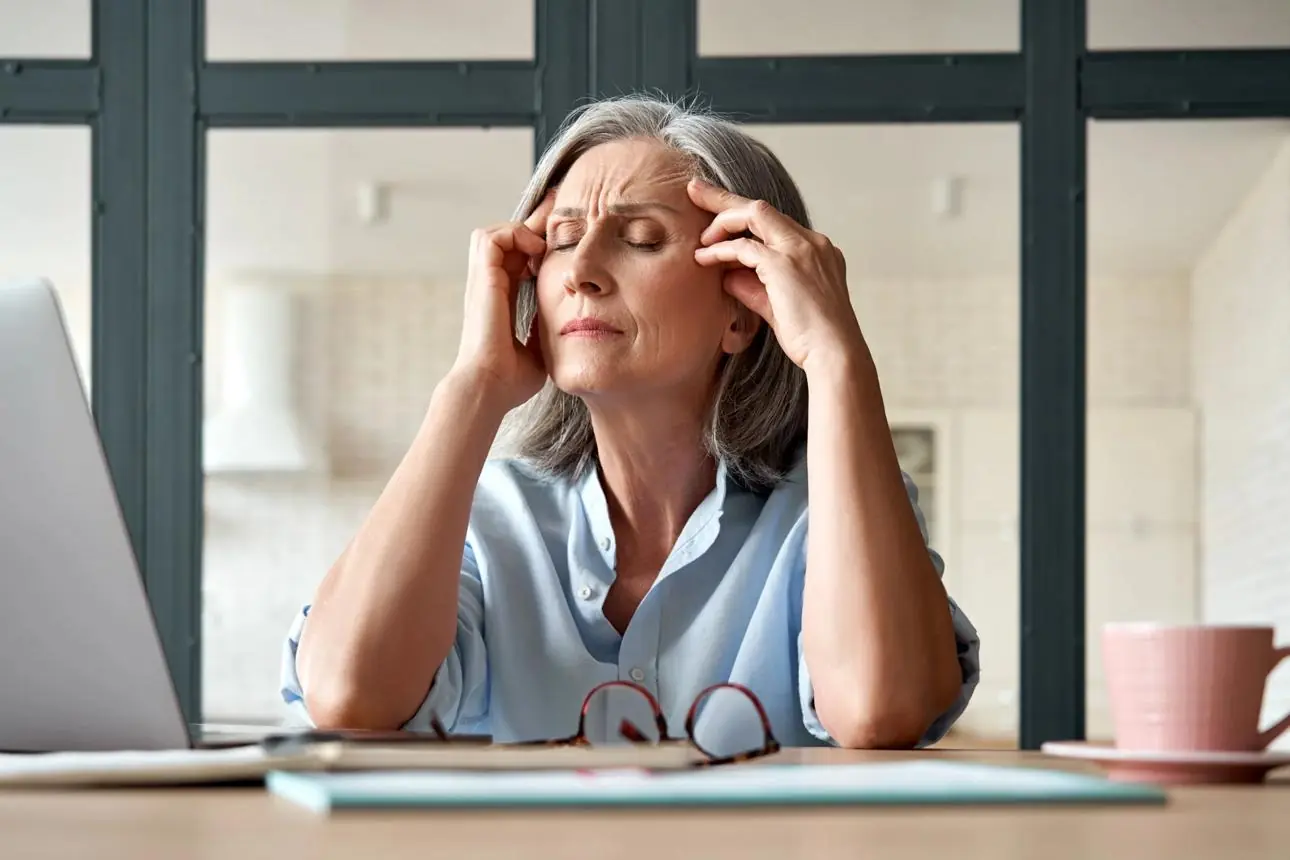
1. Sudden Unusual Fatigue

Not just “I’m tired.”

  • Sudden, overwhelming exhaustion
  • No clear reason
  • Doesn’t improve with rest

This can appear hours or even days before a stroke in some cases.

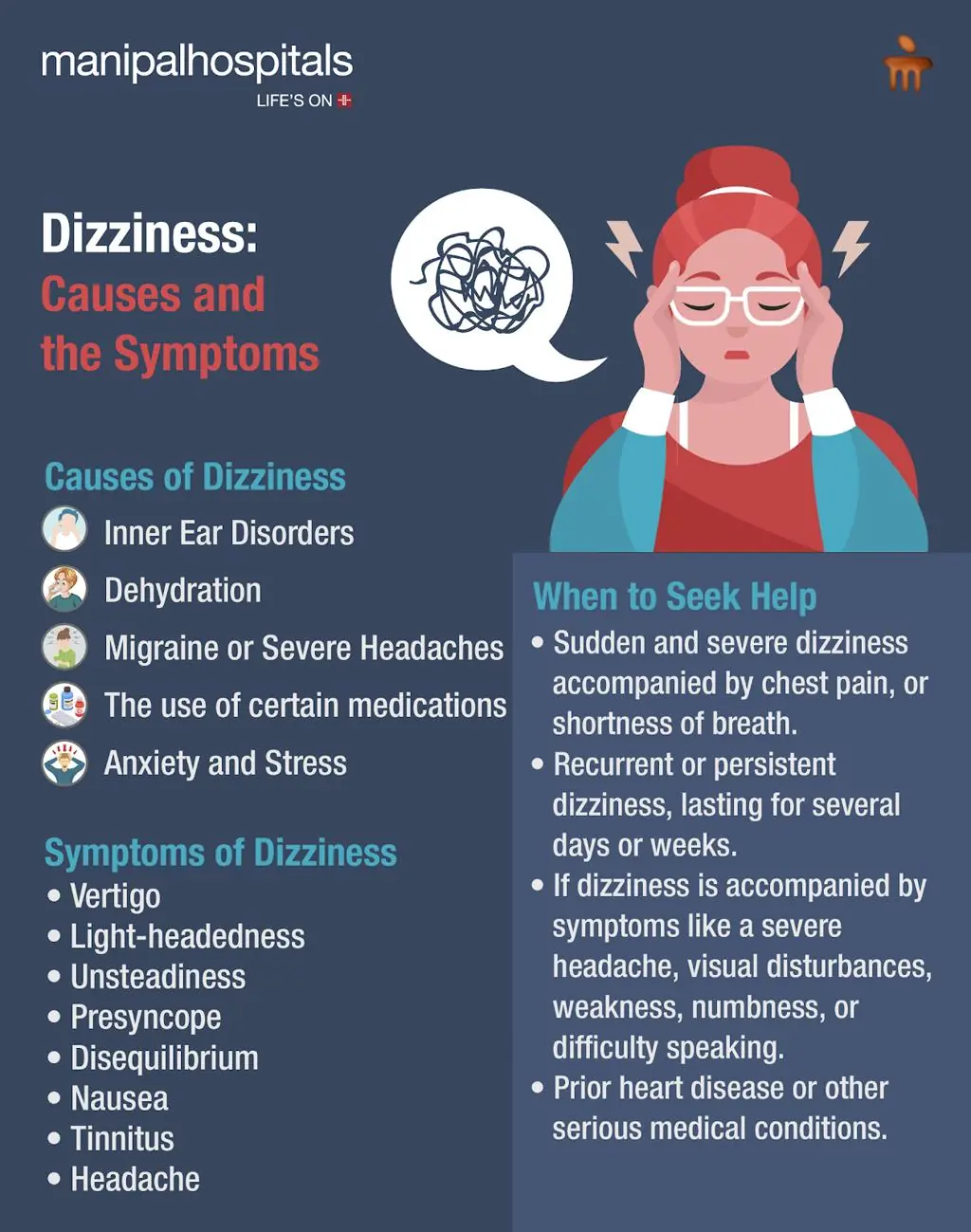
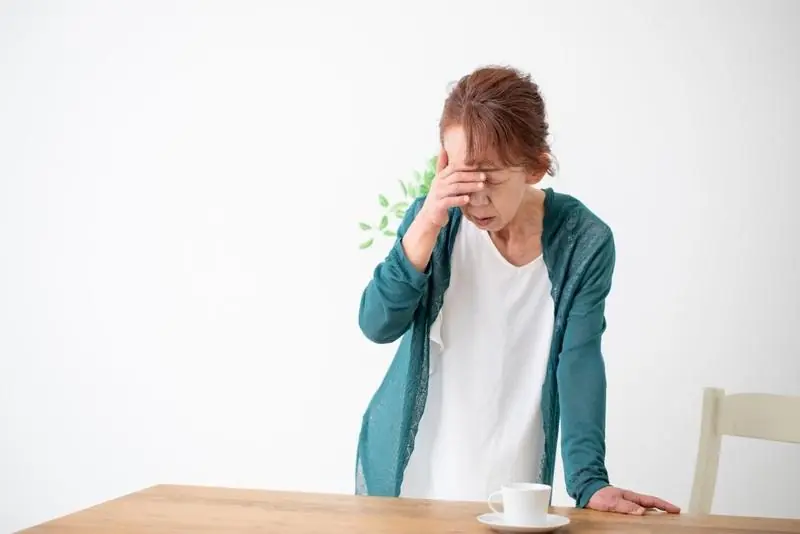
2. Dizziness or Loss of Balance
https://images.openai.com/static-rsc-4/OD85UXxpneKp3t1JYS50d5qNmXTjzn61h27Wnucv2VU2OzMKHucd5Ha03GrlxfO9n-3bOo8cg-LwkgNVvkbIiS9IiFkNsL-_ccWuBqyCk3Yv-y37ipBv3kvrzCW8a1ZHTdKsmjdI7FHDDVnJwTBXPbv0BMxMJDP28lZEsoEWGmwphYqfp6TF6vFy5onqkBhD?purpose=fullsizehttps://images.openai.com/static-rsc-4/1n0iGMTBPsm5rL807eQiJNYdGQ6QMR_d4_cLb7zTeibgEknFokuUW2EbuOS8qrOnsvyfcUSlu34qd3C-3Du2gKJmByoY3SfhN0AGoJ3V8AlX8p1YlbOoTegULpU5-BfAt9OYivlgQjIOfCHIT5L_feSEJXt-eeCrYgMin9cBtG9j6H37ztSEQNB2F5UeH1lF?purpose=fullsizehttps://images.openai.com/static-rsc-4/JwTgrHZE9l9yjAE2rHl0a9ayJu8uJvnlNV5vIAwiPzVpEPHUowqMoSC99ctioCvY8_nmCTLrahEP_mSUrR4WxyWbQaVlPKcBg9xcWTU5YkeB_GOytjs1oJjh8HmwMDkORZRBc1EdiBXG2LTICcaPUQvtQmlCEqAXb9nGPIY8L30D8esXEwLQw13-1M0zlF91?purpose=fullsize

6

Watch for:

  • Feeling like the room is spinning
  • Trouble walking straight
  • Sudden coordination issues

Especially if it comes out of nowhere.

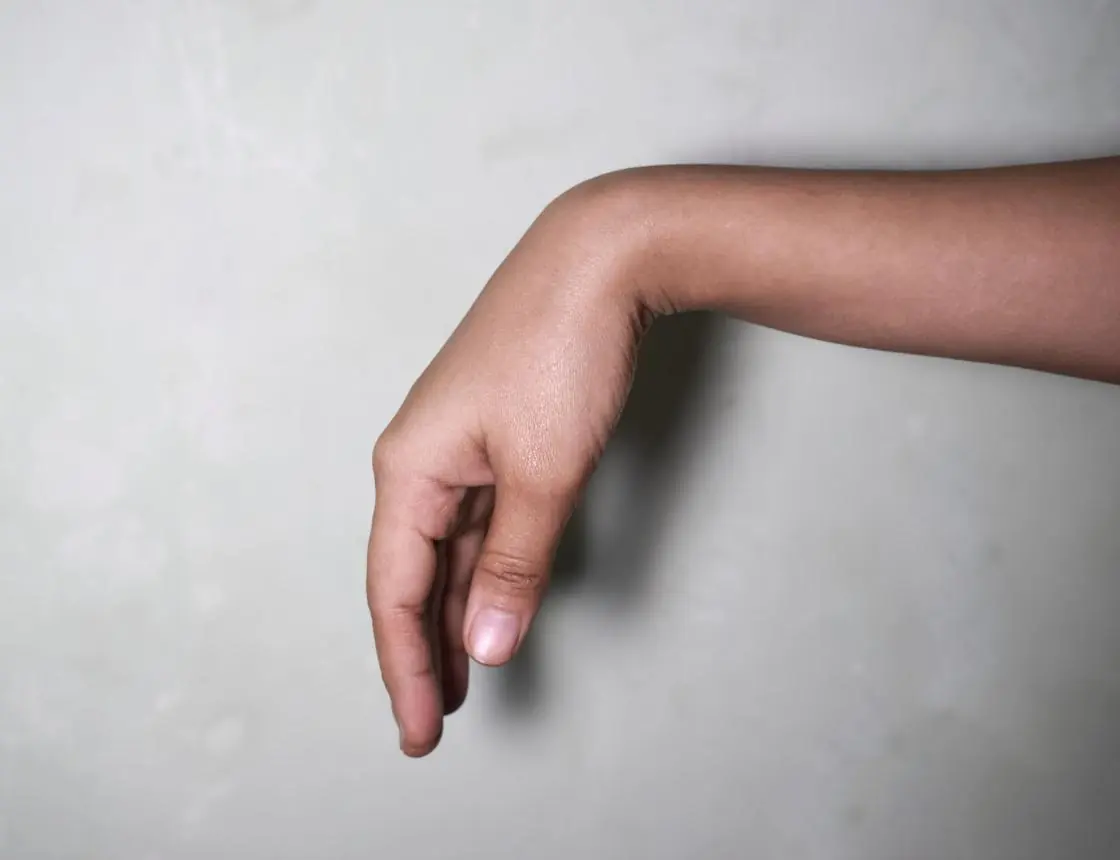
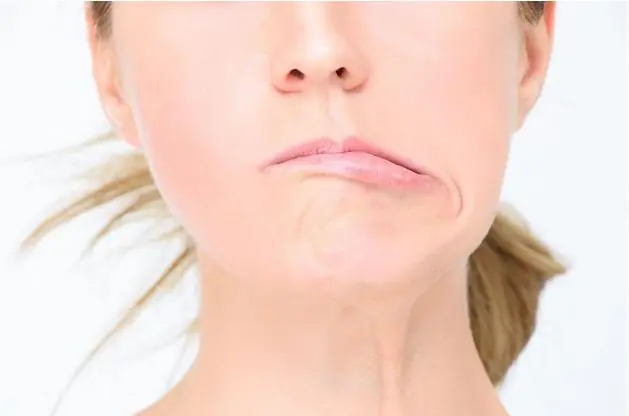
3. Numbness or Tingling (Often One Side)
https://images.openai.com/static-rsc-4/U1wWmhojXqi0DC1YJxgvlk4md403py1FWxc_s6adrC0VwUk0N854OVKsfoxYuL10DChkTiGlFLx9-azLMbnkXm3kgZp-MfxldKvT1FPCQu3jOThVUCtq2nugPd0NFimjYq9llMrSQ1QZj59qWEh59JhmYzeMu4D7uH4APaqMD5RLOFnBFwtGJm6kaINl3D7p?purpose=fullsizehttps://images.openai.com/static-rsc-4/gz8yfTQfO-xVlyQdo3hCuTy16XaT2ryv-aNhrtZPkGvZUr45KIxnBXYdSRoaytCZYnabILSm8aLhZ4Z5aB0doyZa02WlkEkS7QBgyllAGw1_qqO-_MJdcmS_Apdcc0tG6hCGPvwrZvzy4YSszABhlPxmJMwE6zebxGnagBOvZzCKWljGv4um7yjOkJBF2f59?purpose=fullsizehttps://images.openai.com/static-rsc-4/vIy70Ym1aLzN0RPxBCnIQwtrfFfMZu_spjVpS4lhDfStSujW8NlJIaMV3kX3AGtU2wvvQ3YV2syuU3bfIbZPEz80LcMzW-xx89pSqxjf6ekfiFZvqY4aB5MdmyOfl8VSch6XXIqd_uBATi5gMsjqV21j7yY2xBoO0RV0oaw4wBbh9V-X17elfC6QOURthdGD?purpose=fullsize

7

Classic but often ignored when mild:

  • Arm, leg, or face feels “off”
  • Pins-and-needles sensation
  • Weakness on one side

Even if it goes away—don’t ignore it.

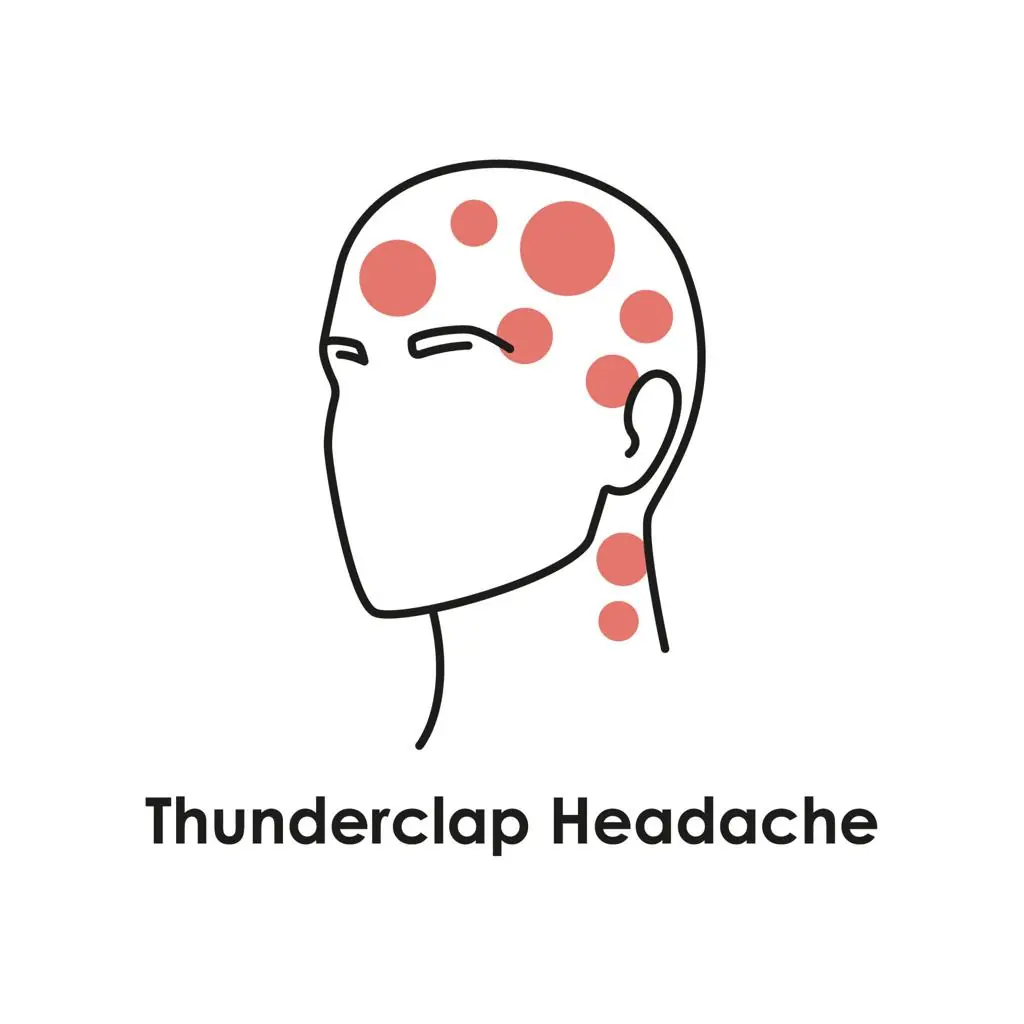
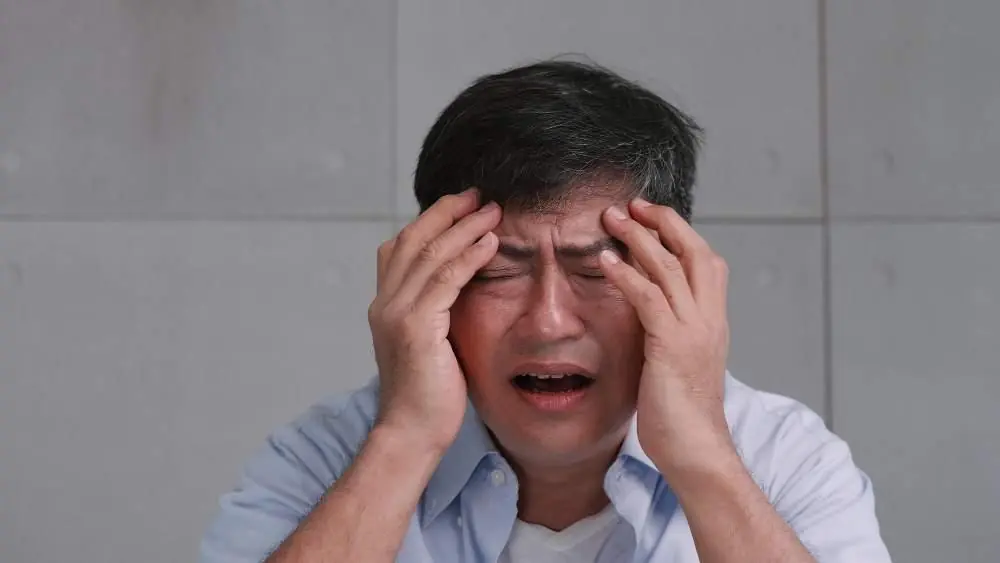
4. Sudden Severe Headache
https://images.openai.com/static-rsc-4/j6nu-PS9xb_wgd1umz38f3P_rexpPZVNB6RSkMUSl4dAJEd6yyK6mX6q6WPZiXDYUwo2eHMzz_VlrpnPdXtHuo20lTp3S6TgDIJIBQhFrF36VZrdQRw8kNtREt4rz2HZoyqXxX2SWwPBK5N6s4UcC5PqAH_XWHGaAVbBpN_uPMFX_5wsJYQzzFZ61xrjpr4X?purpose=fullsizehttps://images.openai.com/static-rsc-4/Qz4182LxM5NdrObnuaNTRYik6wuhvK-ifqNOXYZwgQVZMKg68LpspBbikJFVU0E1C1ymrMsdiRssATRFP9V7MPoem7Gnx-Yehs6UgVfc0ZLMYfZuAZh1fWli_uuBZaw0fTHCjxfFqKx-EuBrNeuN4i13TKogip1vhe2y4nw6gRAw548bOm6ieqsMLZcKVg0B?purpose=fullsizehttps://images.openai.com/static-rsc-4/nIRKIXeiV495CUKP0hornYaKN9HlnKcfpMEhQLItZoseQ1_yxkTIMrncU0UjWV-GlyF6VMJwDNLC3TNEBflr9_RtEC0iom06NgAnk4H2sYxnUG8N1vLnFqeVy3yTEsg5mP8n2v76Rsl-bvYd5CCZgdLqus8sOUJJDZJ-hgb_bfiBwhr3yw_A121U70fqLHiC?purpose=fullsize

5

This is not your usual headache.

  • Comes on suddenly
  • Very intense
  • Often described as “the worst headache ever”

This can be a medical emergency.

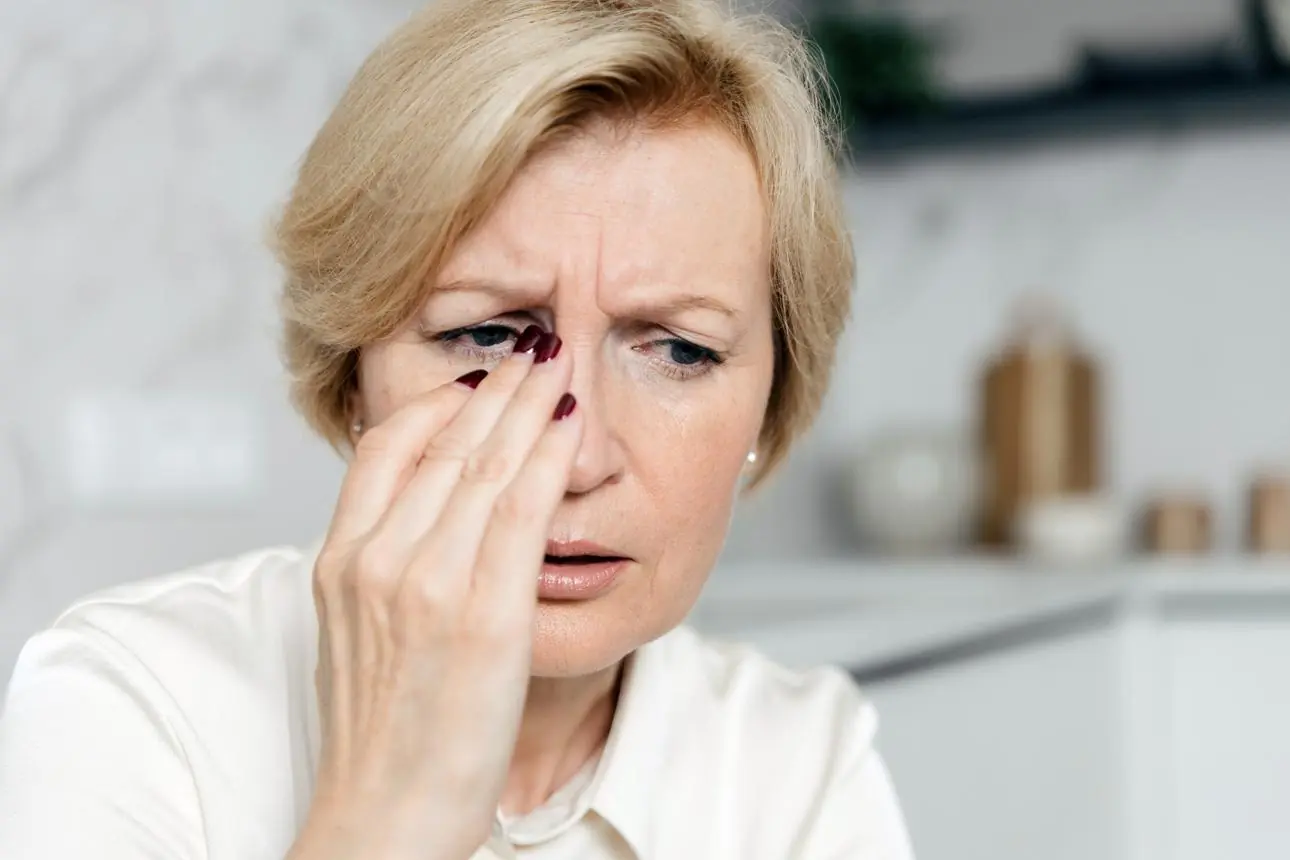
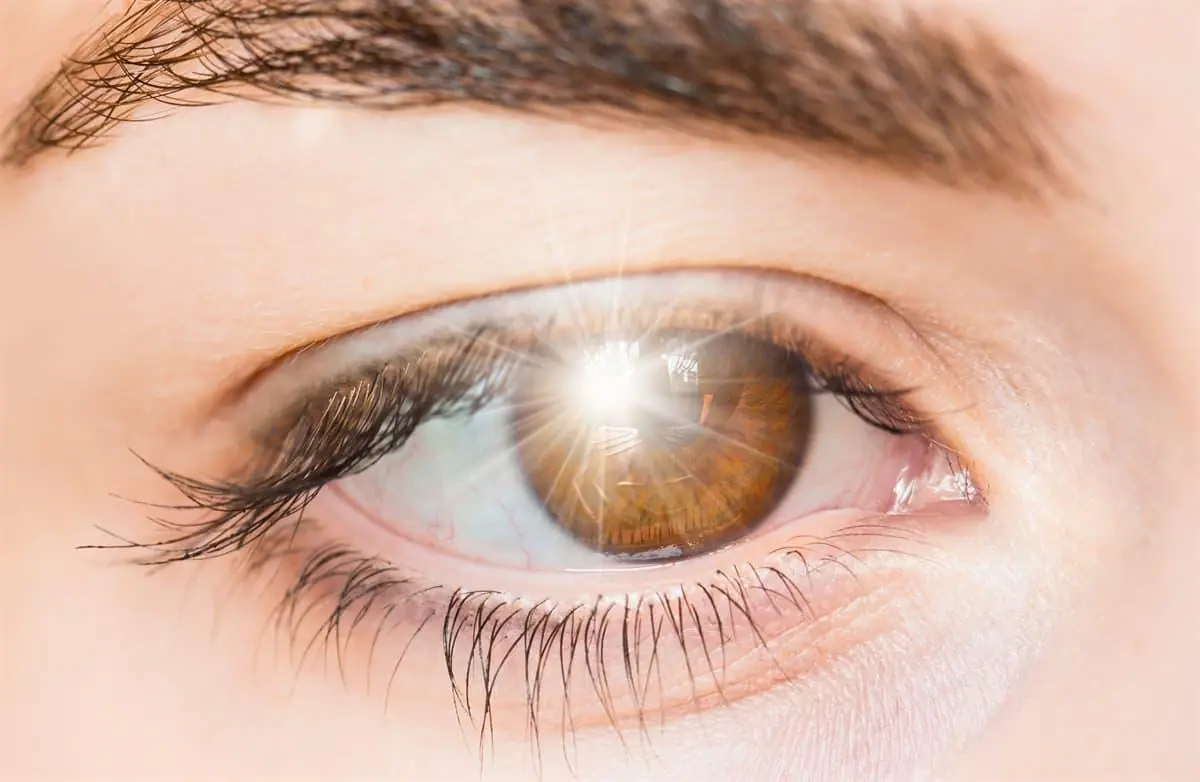
5. Vision Problems
https://images.openai.com/static-rsc-4/WNjDu6-I7DTGv1vnI8mbalSj2LXCAprnUFjsXh3oIsa5ZQ0nb5DJH-xj05148w_CvFK-w3rSRBb7D0LyEiPV_aiCOqUYRO3ggnPufHhLrJRwtXQHZxKTohYnM4pt2Gs1fejkmPV328P10XFwMeAdqRBZyUTybJCNNKNeEadJviOQD67uoVYudBDtMfHc5D4J?purpose=fullsizehttps://images.openai.com/static-rsc-4/7gT2UL5d8Xon9mRzHfZfjJ1TOO5rChUej492vGEXnmgKdGwaOQwOXjqh9o8k8MROel0zMDtTkt165QE_1XpVObyxMTKfn7vo6R1RU19tGExPOlylSAogQvfOuiUOVFX6o66H4XQl8WfgsqIelYcn1KyOyTkUUD0b8iTkm51MQNLMucqlNz6feMf37KyfSqEQ?purpose=fullsizehttps://images.openai.com/static-rsc-4/gz8yfTQfO-xVlyQdo3hCuTy16XaT2ryv-aNhrtZPkGvZUr45KIxnBXYdSRoaytCZYnabILSm8aLhZ4Z5aB0doyZa02WlkEkS7QBgyllAGw1_qqO-_MJdcmS_Apdcc0tG6hCGPvwrZvzy4YSszABhlPxmJMwE6zebxGnagBOvZzCKWljGv4um7yjOkJBF2f59?purpose=fullsize

6

Changes may include:

  • Blurred vision
  • Double vision
  • Loss of vision in one eye

These symptoms are often brushed off—but shouldn’t be.

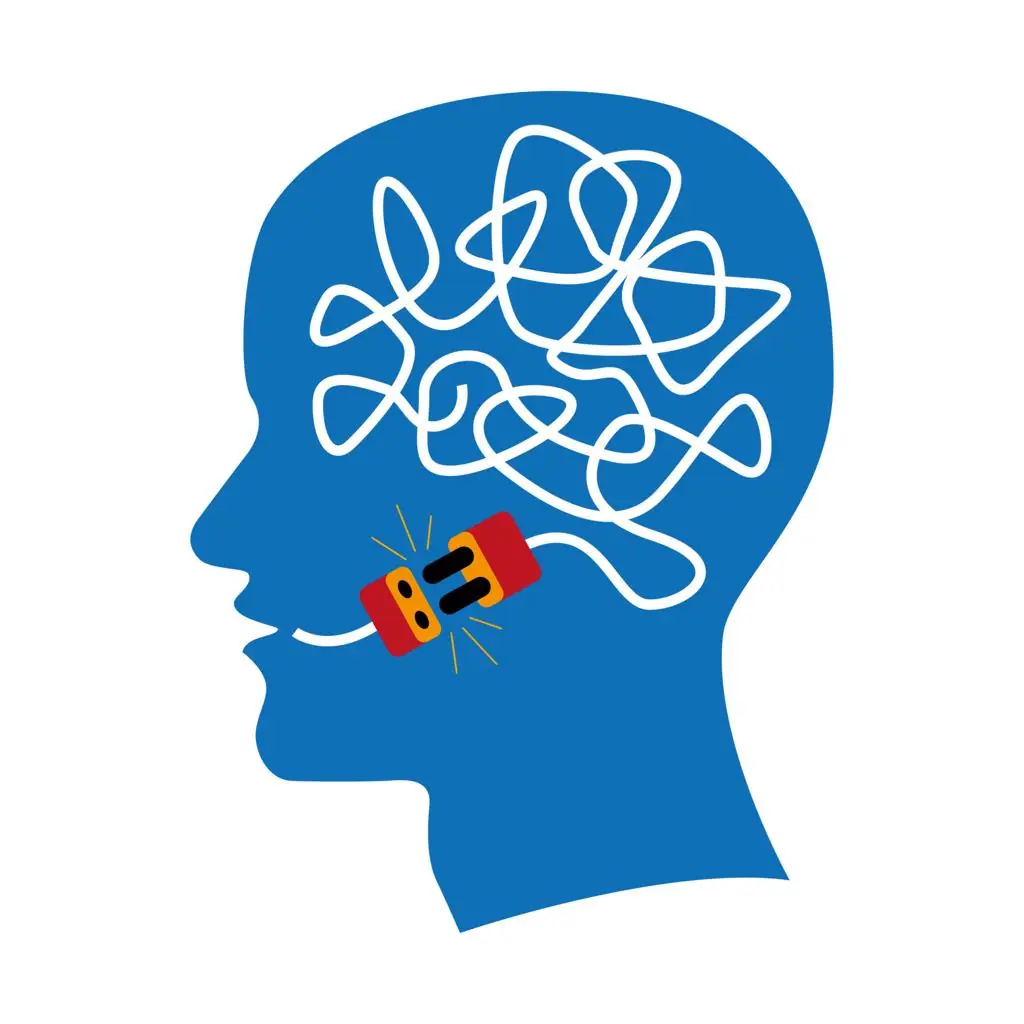
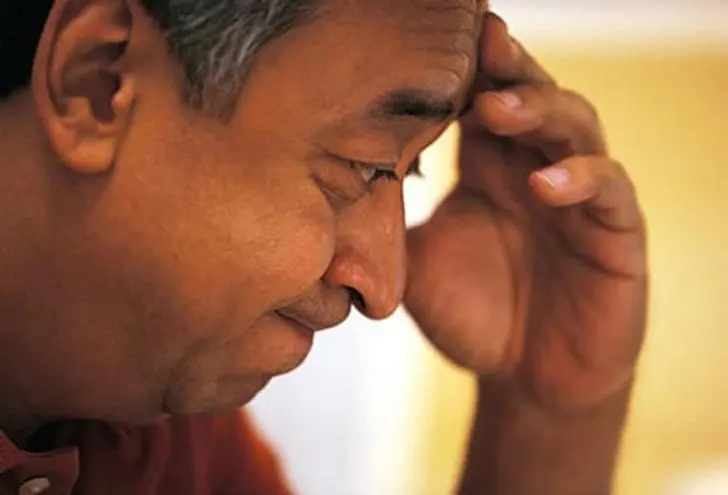
6. Confusion or Trouble Speaking
https://images.openai.com/static-rsc-4/gz8yfTQfO-xVlyQdo3hCuTy16XaT2ryv-aNhrtZPkGvZUr45KIxnBXYdSRoaytCZYnabILSm8aLhZ4Z5aB0doyZa02WlkEkS7QBgyllAGw1_qqO-_MJdcmS_Apdcc0tG6hCGPvwrZvzy4YSszABhlPxmJMwE6zebxGnagBOvZzCKWljGv4um7yjOkJBF2f59?purpose=fullsizehttps://images.openai.com/static-rsc-4/60_6zJjCpFjBoyDheyxz27DrR_4KnlIrLzT-ik-EnO-16aJdhORZRuH01owuXi15yyuR1Ukvv7Zd-_fACxtRuTNklz4YSZr3pfXakQxcJAxS7Z_oO7ioLZUAsu4BGbxSw0o7FaYg5rJk7-vDjhvZOGFh2zJBJ5KeDXBFd8QN1TEule62PpijSUz7_pltumt6?purpose=fullsizehttps://images.openai.com/static-rsc-4/nXHKBZ161tt82fUoiZcAfCG8bq9QZmJEYu4pxeSvQS0B66RLJ-cqizYtth4GbOfZt6eZaoTcYgK7GMNScVVYrVnyro60tdnzMHpC9BnXwmOM8Y36-8r3x7cMDIbC-TNdErxraSIkY3QqkTf1cnjSwnHERsr1S4qnRmKQEeB07Hw83x2uJkWyGJMMeUu2o20D?purpose=fullsize

6

Look for:

  • Slurred speech
  • Trouble finding words
  • Not understanding simple sentences

Even brief episodes matter.

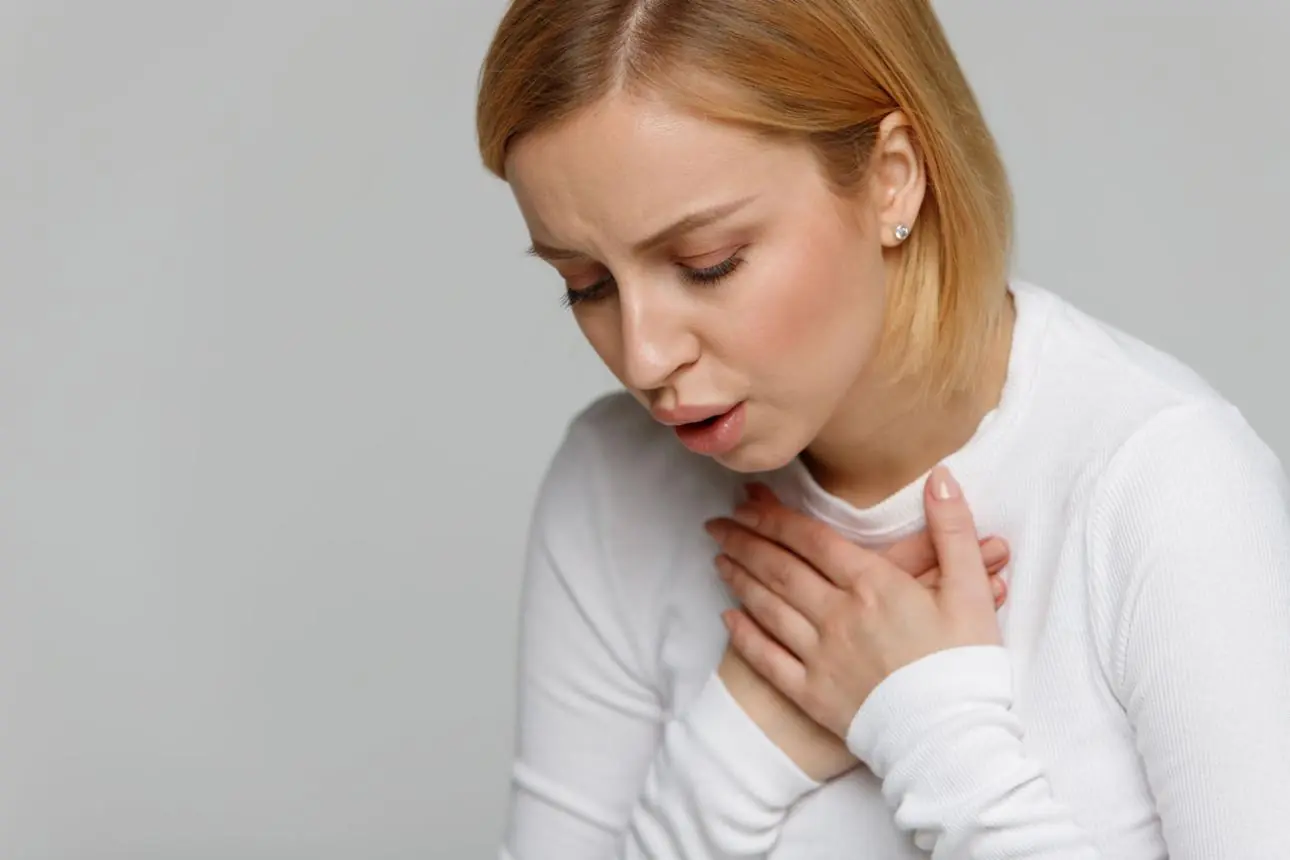
7. Chest Pain or Shortness of Breath (Less Typical but Important)

https://images.openai.com/static-rsc-4/Yi4MpfNR1T5QEcxF7NVIhPenmgQO7j2tnCeqKtWcilwzWpQsGDuo5rMZv8G1543wGbHSmJxdhfgPg3Ww4UuhmD8n99ll9mTzXSFlunpfp3oCf7J0GqaIV2NCdjpzeVIdttHVEy31BxM0jZlVqfABYoRI9zxBcbOC_AZgOZjwZLooFQNm6-ws5glTkJbcypMr?purpose=fullsizehttps://images.openai.com/static-rsc-4/hTHDhim2VfJ8pjYUkFryz0upHwX79okfvJlIe5A9tmx7wWgYHD6yG-eIh4zd8r9arTw_R3Gx7JfVf4XmU4bsaZVwVOPAIwVhFJk5YotK64IG0vQrBmEtDeiy9XonKfwOrHeovB0MTgL6IhWLVQtxZ0cdBRFRcR_J4dLTWR0y08zMVdiLJeBzkfKHW0Va5knp?purpose=fullsize

6

Women may experience:

  • Chest discomfort
  • Rapi

2 Everyday Habits That May Affect a Wife’s Breast Health: What Couples Should Know

Breast health is influenced by many factors, including age, genetics, reproductive history, hormones, body weight, physical activity, alcohol consumption, and exposure to certain environmental risks. While many women focus on their own lifestyle choices, it is worth recognizing that the habits of people they live with can also shape their health environment.

In a marriage, daily routines are often shared. Couples eat similar meals, spend leisure time together, influence each other's activity levels, and share the same indoor air. Over time, these patterns can affect both partners' health.

Two habits deserve particular attention: a sedentary lifestyle and smoking. Neither means that a husband directly causes his wife to develop breast cancer or another breast condition. However, these behaviors can contribute to shared circumstances that may influence long-term health.

Understanding the science behind these habits can help couples make practical changes without blame, fear, or unnecessary guilt.

1. A Sedentary Lifestyle: When Two People Become Less Active Together

A husband who rarely exercises may unintentionally influence his wife's daily routine. Perhaps both partners spend evenings watching television, sit for long hours after work, order convenience food frequently, and rarely make time for physical activity.

At first, these choices may seem harmless. After all, everyone needs time to relax after a busy day. But when inactivity becomes a regular pattern, it can gradually affect weight, metabolic health, cardiovascular fitness, and overall well-being.

The concern is not that one partner's inactivity automatically makes the other person unhealthy. Rather, couples often develop shared routines, and those routines can make healthy choices either easier or more difficult.

How physical activity is connected to breast cancer risk

Research has found an association between regular physical activity and a lower risk of breast cancer, particularly after menopause.

Several biological mechanisms may help explain this relationship.

Body weight and estrogen

After menopause, body fat becomes an important source of estrogen production. Higher amounts of body fat can increase circulating estrogen levels, and long-term exposure to estrogen is associated with an increased risk of certain breast cancers.

Physical activity can help people maintain a healthy body weight and reduce excess body fat. This may be one reason active women tend to have a lower risk of developing breast cancer than women who are consistently inactive.

However, the relationship is more complicated than simply saying exercise lowers estrogen. Hormone levels are affected by age, menopause, body composition, medications, and many other factors.

Insulin and metabolic health

Physical activity improves insulin sensitivity and helps the body regulate blood glucose.

Excess body weight and metabolic dysfunction are associated with several chronic diseases. Some research also suggests that insulin-related pathways may play a role in cancer development, although the exact mechanisms are still being studied.

Inflammation

Excess body fat can contribute to chronic low-grade inflammation. Long-term inflammation is involved in many health conditions and may influence the biological environment in which some cancers develop.

Regular movement can help improve metabolic health and reduce certain markers of inflammation.

Immune and hormonal regulation

News in the same category

7 Early Stroke Symptoms in Women That Often Go Unnoticed

5 Part