7 Early Warning Signs of Bladder Cancer You Should Know
Overview
Bladder cancer is a condition that begins in the cells of the bladder, the organ responsible for storing urine before it leaves the body. While it can affect people of any age, it is more commonly diagnosed in older adults.
Early detection plays an important role in successful treatment. Recognizing the warning signs and seeking medical advice as soon as symptoms appear can significantly improve outcomes. Unfortunately, many early symptoms are subtle and can easily be mistaken for other urinary conditions such as infections or kidney stones.
Understanding the early signs of bladder cancer can help you know when it’s time to consult a healthcare professional.
1. Blood in the Urine (Hematuria)
One of the most common and earliest signs of bladder cancer is blood in the urine, medically known as hematuria.
Urine may appear:
-
Pink
-
Red
-
Brown or rust-colored
In some cases, the blood may not be visible to the naked eye and can only be detected through laboratory testing. This symptom may appear occasionally and then disappear for a period of time, which can make it easy to ignore.
However, even a single episode of unexplained blood in the urine should be evaluated by a doctor.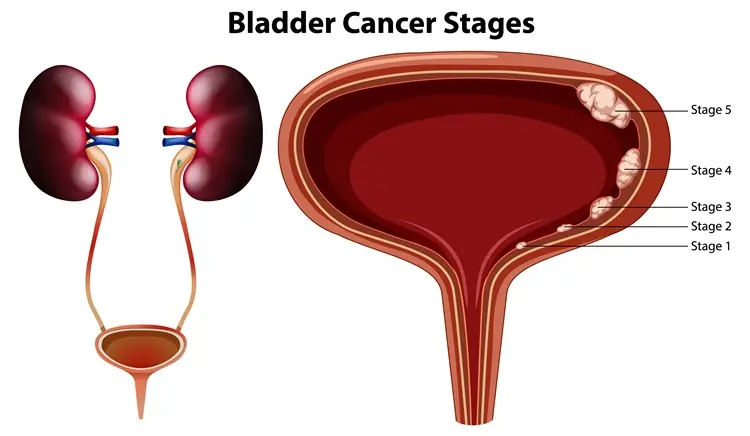
2. Frequent Urination
People with bladder cancer may experience a sudden increase in the need to urinate, even when the bladder is not full.
You might notice:
-
Going to the bathroom much more often than usual
-
Waking up multiple times during the night to urinate
-
A constant urge to urinate
Although this symptom is also common with urinary tract infections or an enlarged prostate, persistent changes in urination patterns should not be overlooked.
3. Pain or Burning During Urination
A burning sensation or pain while urinating can sometimes be associated with bladder cancer.
Many people initially assume this symptom is caused by a urinary tract infection (UTI). However, if the discomfort continues after treatment or occurs without signs of infection, further medical evaluation may be necessary.
4. Difficulty Urinating
Some individuals may notice difficulty starting urination or a weak urine stream.
Other related symptoms may include:
-
Interrupted urine flow
-
Feeling that the bladder does not empty completely
-
Straining during urination
These issues may occur when abnormal cells affect the bladder’s normal function.
5. Lower Back Pain
Persistent pain in the lower back, especially on one side of the body, may sometimes be linked to bladder problems.
While back pain is very common and often related to muscle strain or posture, ongoing or unexplained pain—particularly when combined with urinary symptoms—should be evaluated by a healthcare provider.
6. Pelvic Pain
Pain or discomfort in the pelvic area may occur as the condition develops.
This discomfort may feel like:
-
Pressure in the lower abdomen
-
Persistent pelvic pain
-
General discomfort in the bladder region
Although this symptom may appear later in the disease, it can still occur early in some cases.
7. Unexplained Fatigue or Weight Loss
As with many types of cancer, some people may experience general symptoms such as:
-
Persistent fatigue
-
Unexplained weight loss
-
Loss of appetite
These symptoms alone do not necessarily indicate bladder cancer, but when combined with urinary changes, they may warrant medical attention.
Who Is at Higher Risk?
Certain factors may increase the risk of developing bladder cancer, including:
-
Smoking (one of the most significant risk factors)
-
Exposure to certain industrial chemicals
-
Chronic bladder inflammation
-
Age over 55
-
A family history of bladder cancer
Avoiding tobacco and limiting exposure to harmful chemicals may help reduce the risk.
When to See a Doctor
You should consult a healthcare professional if you notice:
-
Blood in your urine
-
Persistent urinary changes
-
Pain while urinating
-
Ongoing pelvic or back pain
These symptoms do not always mean cancer is present, but medical evaluation is essential to identify the cause and begin treatment if necessary.
Final Thoughts
Bladder cancer is often treatable when detected early. Paying attention to subtle changes in your body—especially urinary symptoms—can make a significant difference in early diagnosis.
If you experience any of the warning signs listed above, do not ignore them. Seeking timely medical advice can help ensure the best possible outcome for your health.