The human body often gives subtle clues when something is affecting overall health, and sometimes these signs appear in unexpected places - including the fingers and nails. Doctors have long recognized that changes in the fingertips, nail shape, skin color, or circulation may occasionally reflect underlying lung conditions or problems affecting oxygen delivery throughout the body.
While many finger and nail changes are harmless and may result from aging, injury, nutritional issues, or skin conditions, certain persistent changes may deserve medical attention, especially when combined with symptoms such as coughing, shortness of breath, chest discomfort, fatigue, or unexplained weight loss.
It is important to understand that finger and nail symptoms alone cannot diagnose lung disease or cancer. Many conditions can cause similar physical changes. However, recognizing unusual symptoms early may encourage timely medical evaluation and improve awareness of overall respiratory health.

Why Lung Problems Can Affect the Fingers
The lungs are responsible for bringing oxygen into the body and removing carbon dioxide.
When lung function becomes impaired, oxygen levels in the blood may be affected.
Over time, reduced oxygen delivery may influence:
- Blood vessels
- Skin
- Fingertips
- Nail growth
This is why certain chronic lung conditions may sometimes produce visible changes in the hands and nails.
The Connection Between Oxygen and Nail Health
Healthy nails depend on:
- Good circulation
- Adequate oxygen
- Proper nutrition
- Healthy blood flow
When oxygen delivery changes over time, the fingers and nails may occasionally reflect those internal changes.
1. Clubbing of the Fingertips
One of the best-known finger changes associated with chronic lung disease is:
- Finger clubbing
Clubbing occurs when the fingertips become enlarged and the nails curve downward more than normal.
The fingertips may appear:
- Rounded
- Bulb-like
- Swollen
This change usually develops gradually over time.
What Causes Clubbing?
Researchers believe clubbing may occur because of long-term changes involving:
- Oxygen levels
- Blood flow
- Tissue growth factors
Clubbing may sometimes be associated with:
- Chronic lung disease
- Lung infections
- Heart disease
- Digestive disorders
Not everyone with clubbing has serious disease, but persistent changes should be medically evaluated.
2. Curved or Rounded Nails
The nails may become unusually curved from side to side or downward over the fingertips.
This altered nail angle may accompany finger clubbing.
Some people notice:
- Increased nail curvature
- Softer nail beds
- Changes in fingertip shape
These changes often occur gradually and may be easy to overlook early on.
3. Bluish Fingertips or Nails
Blue or purple discoloration of the nails or fingertips may indicate reduced oxygen levels in the blood.
This condition is sometimes called:
- Cyanosis
Possible causes may include:
- Lung disease
- Poor circulation
- Heart problems
- Severe respiratory illness
Bluish nails combined with breathing difficulty require urgent medical attention.
Why Oxygen Levels Affect Nail Color
Blood carries oxygen throughout the body.
When oxygen levels fall significantly, tissues may appear:
- Blue
- Grayish
- Purple
because less oxygen-rich blood reaches the skin and nail beds.

4. Swollen Finger Joints or Soft Tissue
Some lung conditions may occasionally contribute to inflammation affecting:
- Joints
- Soft tissues
- Fingers
People may notice:
- Swelling
- Tenderness
- Thickened fingertips
Inflammatory responses inside the body may sometimes affect the hands.
5. Pale Nail Beds
Pale or unusually white nail beds may occasionally reflect:
- Reduced circulation
- Anemia
- Oxygen problems
Although pale nails can have many causes, persistent color changes deserve attention, especially when combined with fatigue or breathing symptoms.
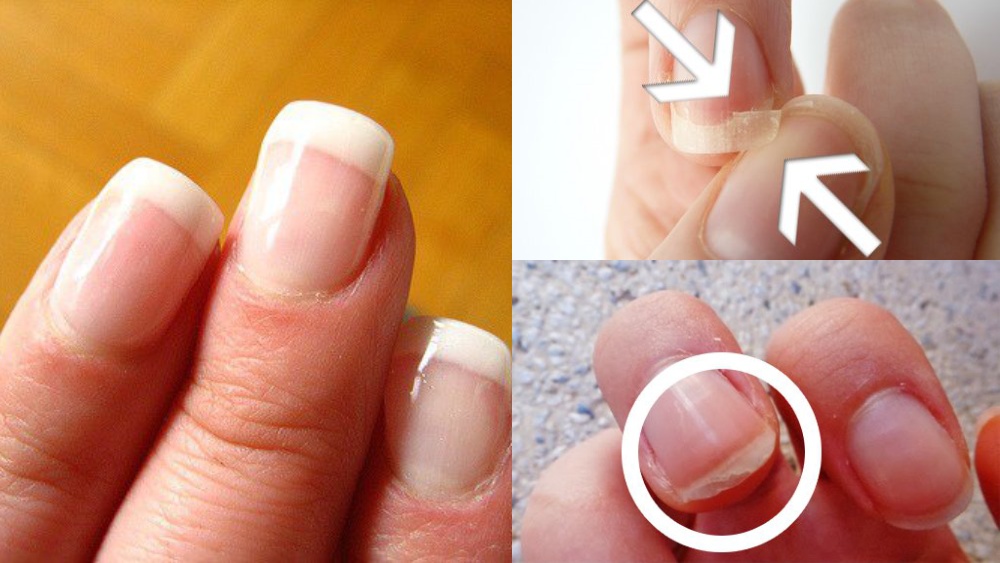
6. Slow Nail Growth or Brittle Nails
Chronic illness may sometimes affect nail growth and texture.
Possible changes include:
- Brittle nails
- Thin nails
- Slow growth
- Increased breakage
These symptoms are not specific to lung disease alone but may occur alongside other health problems.
7. Persistent Finger Pain or Unusual Changes
Some people experience:
- Finger discomfort
- Tingling
- Persistent swelling
- Nail abnormalities
that gradually worsen over time.
Any unusual finger or nail change that persists or progresses should be medically evaluated.
Lung Conditions That May Affect Fingers and Nails
Several respiratory conditions may contribute to finger or nail changes.
Examples include:
- Chronic obstructive pulmonary disease (COPD)
- Lung infections
- Pulmonary fibrosis
- Severe asthma
- Lung cancer
- Chronic low oxygen conditions
Not every lung condition causes visible hand symptoms.
Why Lung Cancer Sometimes Causes Clubbing
Finger clubbing has historically been associated with certain lung cancers because tumors may affect:
- Oxygen delivery
- Blood vessel signaling
- Tissue growth factors
However, clubbing also occurs in many non-cancerous conditions.
It should never be viewed as proof of cancer on its own.
Smoking and Lung Health
Smoking significantly increases the risk of:
- Lung disease
- Chronic bronchitis
- COPD
- Lung cancer
Smoking may also affect circulation and nail appearance independently.
Avoiding smoking remains one of the most important steps for protecting lung health.
Other Symptoms That Should Not Be Ignored
Finger changes become more concerning when combined with:
- Persistent cough
- Shortness of breath
- Chest pain
- Wheezing
- Unexplained fatigue
- Weight loss
- Coughing blood
Medical evaluation is important when symptoms persist.
How Doctors Evaluate Finger and Nail Changes
Doctors may assess:
- Nail shape
- Fingertip appearance
- Skin color
- Oxygen levels
- Breathing function
Additional tests may include:
- Chest imaging
- Blood oxygen measurement
- Lung function tests
- Blood work
Finger changes alone are only one part of overall evaluation.
The Importance of Early Medical Attention
Many lung conditions respond better when identified earlier.
Ignoring persistent symptoms may delay diagnosis and treatment.
Early medical evaluation may help:
- Identify underlying causes
- Improve symptom management
- Reduce complications
Healthy Habits That Support Lung Health
Lifestyle habits play a major role in respiratory wellness.
Helpful habits include:
- Avoiding smoking
- Staying physically active
- Reducing air pollutant exposure
- Managing chronic conditions
- Eating balanced nutrition
Lung health affects the entire body.
Air Quality and Respiratory Health
Long-term exposure to:
- Cigarette smoke
- Pollution
- Dust
- Chemical fumes
may damage lung tissue over time.
Protective habits and cleaner environments may support respiratory function.
Nail Health Reflects Overall Health
Nails and fingertips often reflect broader body systems including:
- Circulation
- Oxygenation
- Nutrition
- Immune function
Doctors sometimes use nail appearance as part of physical examinations because subtle changes may provide valuable clues.
Why Not Every Nail Change Is Serious
It is important not to panic about minor nail abnormalities.
Common harmless causes include:
- Aging
- Trauma
- Fungal infections
- Nutritional changes
- Cosmetic damage
Persistent, progressive, or multiple symptoms are generally more concerning than isolated minor changes.
When to Seek Medical Attention
Medical evaluation is important if finger or nail changes:
- Develop suddenly
- Continue worsening
- Occur alongside breathing symptoms
- Affect daily function
Especially concerning signs include:
- Clubbing
- Blue nails
- Severe swelling
- Shortness of breath
The Body Often Gives Early Clues
The hands and nails may sometimes reveal internal health problems before more severe symptoms appear.
Paying attention to unusual changes may encourage earlier conversations with healthcare professionals.
Final Thoughts
Finger and nail changes such as clubbing, curved nails, bluish discoloration, swelling, pale nail beds, or brittle nails may occasionally reflect underlying lung or circulation problems. Although these symptoms can have many possible causes, persistent changes should never be ignored — especially when combined with coughing, breathing difficulty, chest symptoms, or fatigue.
Recognizing unusual physical changes early and seeking proper medical evaluation may help support earlier diagnosis, better treatment options, and improved long-term respiratory health.