Feeding children can sometimes feel like navigating a minefield. One day a food is considered healthy, and the next day parents hear that it should be avoided. The truth is usually more nuanced.
Most foods aren't automatically "bad" for children. What matters is the child's age, the food's texture and preparation, portion size, nutritional value, and how often it is consumed.
Some foods, however, deserve extra caution because they can pose choking hazards, contain excessive added sugar or sodium, increase the risk of foodborne illness, or provide very little nutritional value.
Parents don't necessarily need to ban these foods completely. In many cases, the safer approach is to modify how the food is prepared, choose age-appropriate portions, or offer it less frequently.
Here are 7 food categories parents should know about.
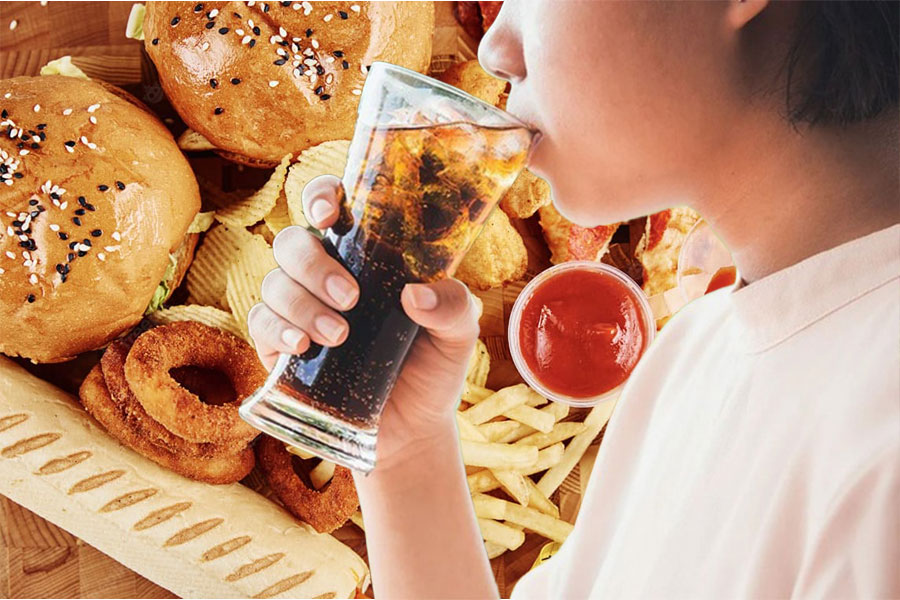
1. Whole Grapes and Other Round, Firm Foods
Grapes may be nutritious, but whole grapes can be a serious choking hazard for young children.
Their round shape and slippery texture can allow them to block a child's airway.
The same concern applies to other round or firm foods, depending on the child's age and development.
Examples include:
-
Whole grapes
-
Cherry tomatoes
-
Whole berries that are large or firm
-
Chunks of raw apple
-
Large pieces of sausage
-
Firm chunks of meat
How can parents make them safer?
For young children, grapes and similar foods should be prepared appropriately.
Cut grapes lengthwise into smaller pieces, rather than simply cutting them in half across the middle.
Children should also sit upright while eating and be supervised.
Avoid letting young children eat while:
-
Running
-
Walking around
-
Playing
-
Riding in a car
-
Lying down
Choking can happen quickly, so safe preparation and supervision matter.
2. Whole Nuts and Large Spoonfuls of Nut Butter
Nuts can be an excellent source of protein, healthy fats, vitamins, and minerals.
But whole or large pieces of nuts can be dangerous for young children because of choking risk.
Large spoonfuls of thick peanut butter or another nut butter can also be difficult for a young child to swallow.
This doesn't mean children should avoid peanuts or tree nuts altogether.
In fact, introducing age-appropriate forms of common allergens such as peanut can be beneficial for many infants, and delaying introduction isn't generally recommended solely to prevent allergy.
The important issue is how the food is served.
Parents can consider:
-
Smooth nut butter spread thinly
-
Nut butter mixed into oatmeal or yogurt
-
Finely ground nuts incorporated into foods
-
Age-appropriate nut products
Children with known food allergies need individualized guidance from their healthcare professional.
3. Foods and Drinks High in Added Sugar
Children naturally enjoy sweet flavors.
But regularly consuming large amounts of added sugar can crowd out more nutritious foods.
Common sources include:
-
Candy
-
Cookies
-
Cakes
-
Sweetened breakfast cereals
-
Ice cream
-
Sugary yogurt
-
Sweetened drinks
-
Soda
-
Sports drinks
-
Many packaged snacks
Excessive intake of added sugar is associated with dental cavities and can contribute to unhealthy dietary patterns and excess calorie intake.
What should parents do?
You don't necessarily need to completely ban sweets.
Instead, make nutrient-rich foods the foundation of the child's diet.
Choose:
-
Fresh fruit
-
Vegetables
-
Whole grains
-
Eggs
-
Beans
-
Fish
-
Lean meats
-
Plain or lightly sweetened dairy foods
For children under age 2, health authorities generally recommend avoiding foods and beverages with added sugars.
For older children, added sugar should remain limited as part of an overall balanced diet.
4. Highly Processed Meats
Processed meats such as hot dogs, sausages, bacon, ham, and certain deli meats are convenient and popular with families.
But they can be high in:
-
Sodium
-
Saturated fat
-
Preservatives
Regularly eating large amounts of processed meat isn't considered an ideal dietary pattern for children or adults.
There is another important concern for younger children:
Hot dogs and sausage pieces can be choking hazards.
Their cylindrical shape and texture can potentially block a child's airway.
If parents serve these foods to young children, preparation matters. Cut them lengthwise and into small, manageable pieces appropriate for the child's developmental stage.
Processed meats are best treated as occasional foods rather than everyday staples.
5. Unpasteurized Milk, Juice, and Certain Dairy Products
Unpasteurized products can contain harmful microorganisms, including bacteria such as:
-
Salmonella
-
E. coli
-
Listeria
Children can be particularly vulnerable to serious complications from foodborne infections.
For this reason, parents should generally choose pasteurized milk and dairy products for children.
Unpasteurized juice can also carry foodborne pathogens.
Check product labels carefully.
Terms such as:
"Pasteurized"
indicate that the product has undergone a process designed to reduce harmful microorganisms.
Raw milk is not made safer simply because it comes directly from a farm or appears "natural."
6. Fish High in Mercury
Fish can be an excellent food for children.
It provides:
-
Protein
-
Omega-3 fatty acids
-
Vitamin D
-
Selenium
-
Other important nutrients
But some fish contain higher levels of methylmercury, a contaminant that can affect the developing nervous system.
Fish that tend to contain higher mercury levels include certain large predatory species, such as:
-
Shark
-
Swordfish
-
King mackerel
-
Marlin
-
Orange roughy
-
Bigeye tuna
-
Tilefish from the Gulf of Mexico
The exact recommendations vary by country and fish species.
Parents don't need to eliminate fish from a child's diet.
Instead, choose a variety of lower-mercury fish and follow local dietary guidance.
Options commonly considered lower in mercury include:
-
Salmon
-
Shrimp
-
Pollock
-
Tilapia
-
Cod
-
Sardines
-
Trout
Fish can be a valuable part of a child's diet when the right varieties are selected.
7. Foods That Are Very High in Sodium
Children need some sodium, but most people already consume more than enough through food.
High-sodium foods commonly include:
-
Instant noodles
-
Processed meats
-
Chips
-
Packaged soups
-
Fast food
-
Frozen meals
-
Salty crackers
-
Certain sauces
-
Processed cheese products
A diet consistently high in sodium can contribute to excessive sodium intake and may influence blood pressure over time.
Young children have relatively small nutritional requirements, so a food containing a large amount of sodium can represent a substantial portion of their daily intake.
A better approach
Instead of relying heavily on packaged foods, parents can offer:
-
Fresh vegetables
-
Fresh fruit
-
Eggs
-
Unsalted nuts in age-appropriate forms
-
Beans
-
Plain yogurt
-
Whole grains
-
Fresh meat or fish
Use herbs, garlic, lemon, and other seasonings to add flavor without relying entirely on salt.
Why Age Matters So Much
One of the biggest mistakes parents can make is treating all children the same.
A food that is appropriate for a 10-year-old may be unsafe for a toddler.
The biggest differences involve:
Texture
Young children have less developed chewing skills.
Size
Large chunks can become choking hazards.
Shape
Round, cylindrical, or sticky foods may be particularly risky.
Nutritional Requirements
Infants, toddlers, school-age children, and teenagers have different nutritional needs.
Food Allergies
Children may have allergies that require strict avoidance of specific foods.
Choking Is Different From Gagging
Parents sometimes confuse these two reactions.
Gagging is often noisy. A child may cough, make sounds, or retch as they work to move food.
Choking can be much quieter because the airway may be blocked.
A choking child may be unable to:
-
Breathe normally
-
Cry
-
Speak
-
Cough effectively
Parents and caregivers should learn age-appropriate choking first aid and CPR.
This knowledge can be lifesaving.
Don't Let Children Eat While Distracted
Even an appropriately prepared food can become dangerous if a child is moving around while eating.
Encourage children to:
-
Sit upright
-
Eat slowly
-
Take manageable bites
-
Avoid running while eating
-
Avoid eating while lying down
Young children should be supervised during meals.
What About Popcorn?
Popcorn deserves special attention because it can be a choking hazard for young children.
Even though popcorn itself isn't necessarily unhealthy, its shape and texture can make it dangerous for younger kids.
Parents should follow age-appropriate choking guidance and avoid giving popcorn to children who aren't developmentally ready for it.
What About Marshmallows?
Marshmallows can also present a choking concern because they are soft, sticky, and compressible.
The problem isn't necessarily their sugar content alone.
Their texture can make them difficult for a young child to manage safely.
What About Raw Carrots?
Raw carrot pieces can be hard and difficult for young children to chew.
For younger children, cooking carrots until they are soft can make them safer.
As children develop stronger chewing skills, preparation can gradually become less restrictive.
What About Apples?
Whole apples and large chunks of raw apple can be difficult for young children to chew.
Depending on the child's age and development, parents can:
-
Cook apples until soft
-
Grate them
-
Slice them thinly
-
Offer age-appropriate soft pieces
Avoid giving young children large, hard chunks.
What About Honey?
Honey deserves its own special warning.
Infants under 12 months should not be given honey.
Honey can contain spores of Clostridium botulinum, which can cause infant botulism.
The risk applies to:
-
Raw honey
-
Pasteurized honey
-
Honey used in foods
-
Products containing honey
Once a child is over 12 months old, honey can generally be introduced.
What About Uncooked Eggs?
Raw or undercooked eggs can carry Salmonella.
Children are among the groups for whom foodborne infections can be particularly concerning.
Use properly cooked eggs and follow safe food-handling practices.
When preparing dishes containing eggs, make sure they're cooked thoroughly unless you're using a product specifically made with pasteurized eggs.
What About Raw or Undercooked Meat?
Raw or undercooked meat can contain harmful bacteria.
These may include:
-
Salmonella
-
E. coli
-
Campylobacter
Children should generally be served meat that has been cooked to a safe internal temperature.
Avoid relying on color alone to determine whether meat is safely cooked. A food thermometer is more reliable.
Food Safety Is About More Than What Children Eat
How food is stored and prepared also matters.
Parents should:
Wash Hands
Wash hands before preparing food and before eating.
Separate Raw and Cooked Foods
Keep raw meat away from ready-to-eat foods.
Refrigerate Perishable Foods
Don't leave perishable foods at room temperature for extended periods.
Wash Produce
Rinse fruits and vegetables under running water before eating.
Use Clean Utensils
Avoid using the same utensils for raw and cooked foods without washing them.
These simple habits can reduce the risk of foodborne illness.
What Should a Balanced Child's Diet Look Like?
Rather than focusing entirely on foods to avoid, it's more useful to think about what children should eat regularly.
A balanced diet can include:
Fruits
Bananas, berries, oranges, apples, melons, and other fruits.
Vegetables
Carrots, broccoli, spinach, peas, sweet potatoes, tomatoes, and more.
Protein Foods
Eggs, fish, chicken, beans, lentils, tofu, and appropriately prepared nuts or nut butters.
Whole Grains
Oats, brown rice, whole-grain bread, quinoa, and other whole grains.
Dairy or Alternatives
Milk, yogurt, cheese, or suitable fortified alternatives.
Healthy Fats
Avocado, nuts, seeds, olive oil, and fatty fish.
The goal is variety, not perfection.
Should Parents Completely Ban These Foods?
Not necessarily.
This is an important distinction.
Some foods should be avoided at certain ages because of specific safety concerns.
For example:
Honey before 12 months → avoid
Unpasteurized milk → avoid
High-mercury fish → limit or avoid according to guidance
Other foods can often be modified to make them safer.
For example:
Grapes → cut appropriately
Nut butter → spread thinly or mix into other foods
Carrots → cook until soft for younger children
Sausage → cut lengthwise and into age-appropriate pieces
This approach is often more practical than simply creating a long list of forbidden foods.
How to Introduce New Foods Safely
When introducing new foods to young children, start with an age-appropriate texture and portion.
Introduce foods one at a time when practical, particularly when there is concern about allergies.
Common food allergens include:
-
Peanuts
-
Tree nuts
-
Eggs
-
Milk
-
Wheat
-
Soy
-
Sesame
-
Fish
-
Shellfish
Current evidence generally supports introducing common allergens during infancy in developmentally appropriate forms rather than unnecessarily delaying them.
Children with severe eczema, existing food allergies, or other risk factors may benefit from discussing allergen introduction with their pediatrician.
Signs of a Possible Food Allergy
Parents should know the warning signs.
A reaction may include:
-
Hives
-
Swelling
-
Vomiting
-
Coughing
-
Wheezing
-
Difficulty breathing
-
Pale or bluish skin
-
Sudden lethargy
Difficulty breathing, significant swelling, or symptoms involving multiple body systems can indicate a severe allergic reaction.
If a child has a known allergy, follow their emergency action plan.
Don't Force Children to Eat
Another important part of healthy feeding is recognizing hunger and fullness cues.
Children may naturally eat different amounts from one meal to another.
Parents can offer nutritious foods and allow children to decide how much to eat, within reasonable boundaries.
Repeatedly forcing children to finish everything on their plate can interfere with their ability to recognize fullness.
A calmer approach is often better:
Parent decides what, when, and where food is offered.
Child decides whether and how much to eat.
This can support a healthier relationship with food.
What About Picky Eaters?
Picky eating is common during childhood.
Instead of immediately replacing every rejected healthy food with sweets or processed snacks, continue offering a variety of nutritious foods.
A child may need to encounter a new food many times before accepting it.
Try:
-
Small portions
-
Different cooking methods
-
Combining familiar and unfamiliar foods
-
Eating together as a family
-
Avoiding pressure
Food preferences can change over time.
A Parent-Friendly Food Safety Checklist
Before giving food to a child, ask:
☐ Is the texture appropriate for the child's age?
☐ Is the food cut into a safe shape and size?
☐ Is the child sitting upright?
☐ Is an adult supervising?
☐ Is the food properly cooked?
☐ Has the food been stored safely?
☐ Is it pasteurized when appropriate?
☐ Does it contain excessive added sugar or sodium?
☐ Is the child allergic to any ingredient?
☐ Is this food appropriate for the child's developmental stage?
These questions can prevent many avoidable problems.
7 Food Categories to Remember
1. Whole grapes and other round, firm foods
Potential choking hazard for young children.
2. Whole nuts and thick spoonfuls of nut butter
Can be difficult for young children to chew or swallow safely.
3. Foods and drinks high in added sugar
Best limited as part of a balanced diet.
4. Highly processed meats
Often high in sodium and can pose choking concerns when served in unsafe shapes.
5. Unpasteurized milk, juice, and dairy products
Can carry harmful bacteria.
6. High-mercury fish
Should be avoided or limited according to age-appropriate dietary guidance.
7. High-sodium processed foods
Best limited because children can easily consume too much sodium.
The Bottom Line
There isn't a universal list of seven foods that every child must completely avoid.
Instead, parents should think about age, preparation, portion size, nutritional quality, food safety, and individual medical needs.
Some foods are dangerous primarily because of their texture or shape. Others are worth limiting because they're high in added sugar or sodium. Some, such as unpasteurized products and high-mercury fish, raise concerns because of contamination or toxic exposure.
The safest approach is not to fear food.
It's to serve appropriate foods in appropriate forms.
For young children, choking prevention should be a major priority. Choose soft textures, cut foods appropriately, supervise meals, and learn basic choking first aid.
At the same time, build the child's diet around vegetables, fruits, whole grains, protein-rich foods, dairy or suitable alternatives, and healthy fats.
Final Thoughts
Parents don't need to create a perfect diet for their children.
They need to create a safe, varied, and nutritious eating environment.
A cookie at a birthday party isn't going to ruin a child's health. A hot dog doesn't need to be treated as toxic. And a grape isn't inherently dangerous when it's prepared appropriately for the child's developmental stage.
The bigger picture matters.
Choose nutritious foods most of the time, limit highly processed and sugary foods, prepare potential choking hazards carefully, avoid unsafe food products, and pay attention to your child's individual needs.
When in doubt—especially for infants, children with food allergies, or children with medical conditions - talk with a pediatrician or registered dietitian for advice tailored to your child.