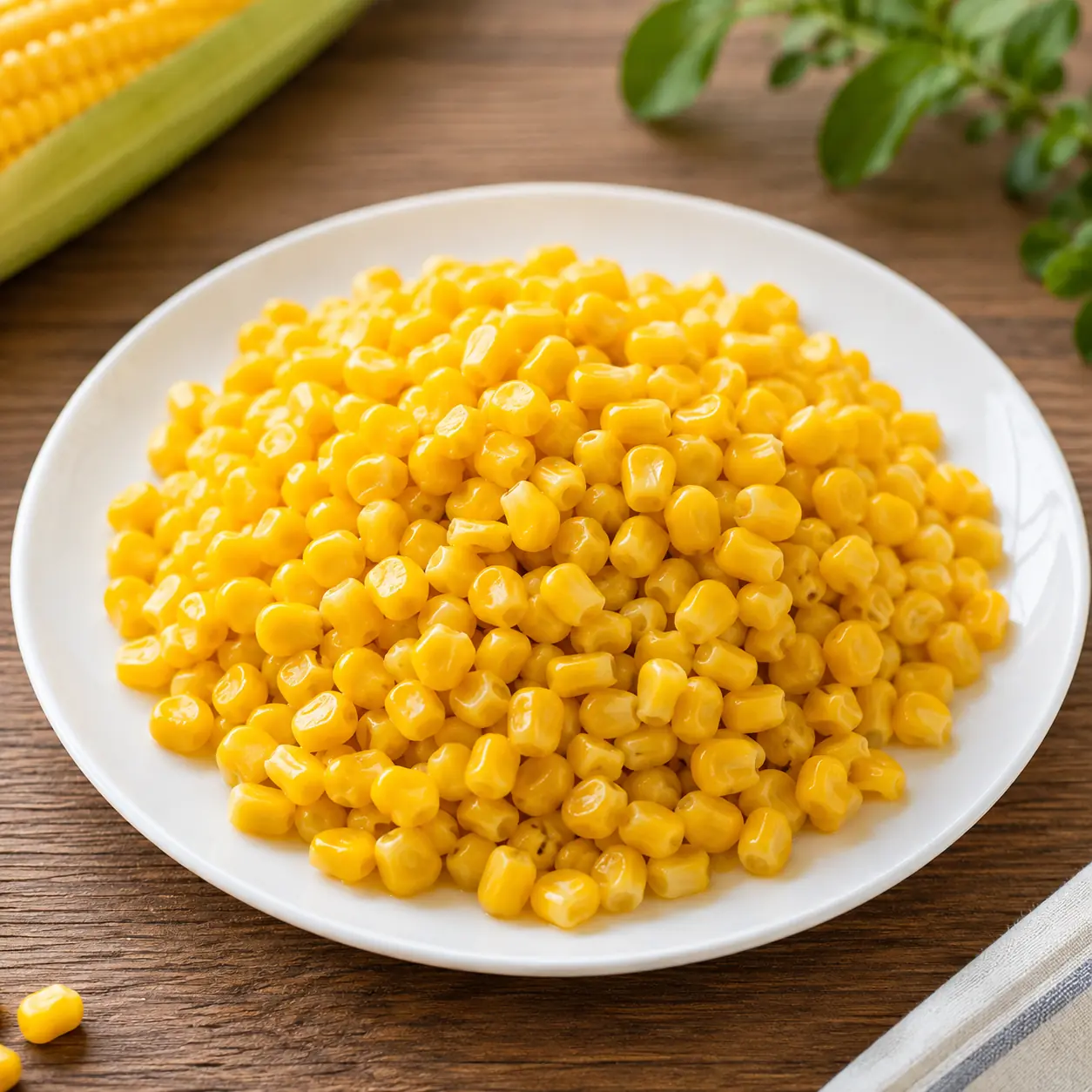
 1. Passion Fruit
24.5 g of fiber per cup (236 g)
Passion fruit is notable for its high fiber content, which plays a significant role in supporting digestive health. The blend of soluble and insoluble fiber in passion fruit helps promote regular bowel movements and prevent constipation.
Harvard Health. The facts on fiber.
These fibers also slow digestion, regulate blood sugar levels, and increase feelings of fullness to aid in weight management.
Diets rich in fiber, such as those that include passion fruit, are associated with a reduced risk of chronic diseases like heart disease and type 2 diabetes.44 Additionally, fiber supports gut, metabolic, and immune health.
2. Chia Seeds
9.75 g of fiber per ounce (28 g)
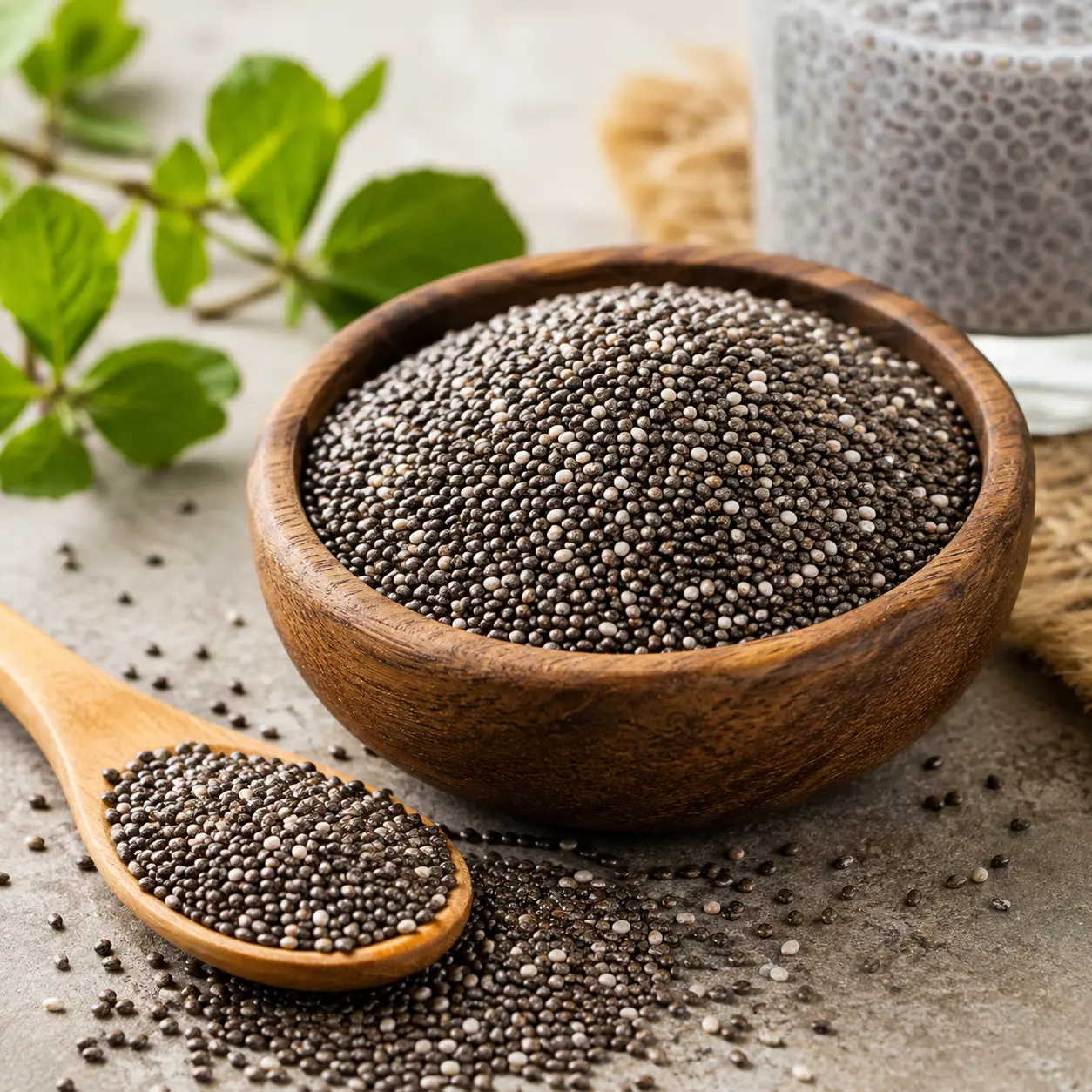 Chia seeds are exceptionally high in dietary fiber, delivering nearly 10 grams per 1-ounce serving—about 40% of the recommended daily intake.63 Most of the fiber in chia seeds is insoluble, which supports digestive health by promoting regular bowel movements.7 The remaining fiber is soluble, helping to regulate cholesterol and stabilize blood sugar levels.
This unique fiber profile makes chia seeds a powerful addition to a balanced diet for digestive and metabolic health.
3. Acorn Squash
9.02 g fiber per cup (205 g) cooked
Acorn squash is an excellent source of dietary fiber, offering just over 9 grams per cup when cooked. It contains both soluble and insoluble fiber, which together support digestive health, promote regularity, and contribute to overall well-being.
Acorn squash is particularly high in fiber compared to other types of squash, making it a smart addition to a balanced, nutrient-rich diet.
4. Navy Beans
8.6 g of fiber per half cup (100 g) cooked10
A standard half-cup serving of cooked navy beans provides about a third of the recommended daily intake of fiber for adults (22 to 34 grams, depending on age and sex). This impressive fiber content makes navy beans an excellent choice for supporting digestive health and maintaining regularity.
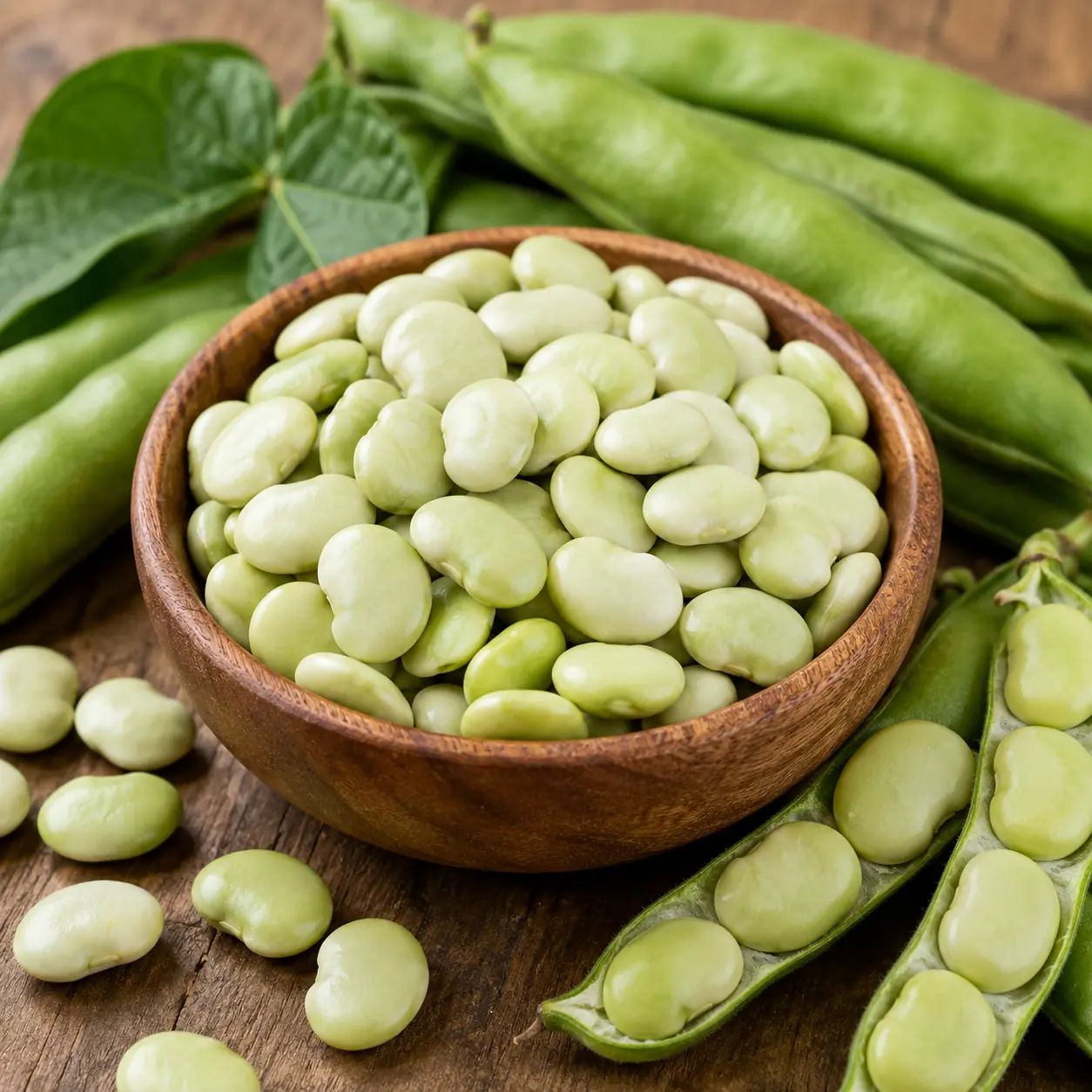
In addition to promoting bowel health, the fiber in navy beans can help lower cholesterol, regulate blood sugar levels, and increase satiety, making them beneficial for heart health, diabetes management, and weight control
5. Split Peas
8 g fiber per half cup (98 g)12
Split peas are one of the most fiber-rich legumes, with just half a cup providing 8 grams of fiber—nearly a third of the recommended daily intake for adults.
Because split peas contain both soluble and insoluble fiber, they deliver a range of health benefits.14 The fiber in split peas promotes regular bowel movements, supports a healthy gut microbiome, lowers cholesterol, helps regulate blood sugar, and increases satiety after meals, aiding appetite control and supporting weight management goals.
6. Lima Beans
6.6 g fiber per half cup (94 g) cooked mature seeds
Lima beans are rich in both insoluble and soluble fiber, which together support digestive health by adding bulk to stool and promoting regularity.
Adebo JA.
The soluble fiber in lima beans also helps slow sugar absorption and reduce cholesterol levels, benefiting both heart and gut health.
7. Bulgur
4.1 g fiber per half cup (91 g), cooked17
Bulgur is made by partially boiling whole-wheat grains, then drying and grinding them into small pieces.18 Rich in fiber, protein, vitamins, and minerals, bulgur offers a mild, nutty flavor and a slightly chewy texture. It’s a multipurpose ingredient that works well in both hot and cold dishes, including salads, soups, stuffings, and pilafs.
With 4.1 grams of fiber per serving, bulgur supports healthy digestion and helps promote a feeling of fullness, which can aid in weight management.317 However, because bulgur contains gluten, it is not suitable for those with gluten intolerance or celiac disease.