A heart attack can happen suddenly, but it doesn't always begin with dramatic, unmistakable pain. Some people experience warning symptoms gradually, while others develop symptoms that seem mild or unusual at first. In certain cases, symptoms may even come and go before becoming more severe.
Knowing the potential warning signs can make a real difference. Recognizing them early may help someone seek emergency treatment sooner, when restoring blood flow to the heart can be especially important.
It's also worth remembering that heart attack symptoms can vary from person to person. Men and women may experience many of the same symptoms, but some people—particularly women, older adults, and people with diabetes - may have less typical symptoms.
Here are seven important warning signs everyone should know.
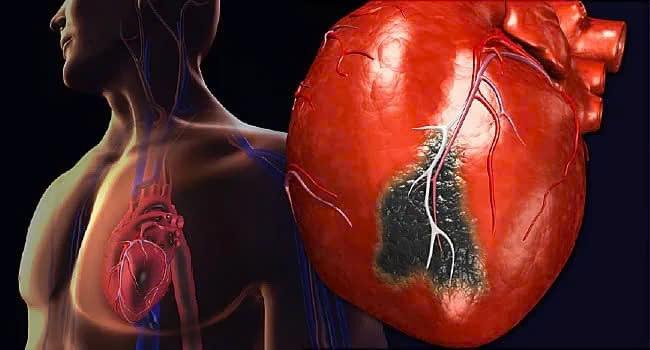
1. Pressure, Tightness, or Discomfort in the Chest
The most recognizable warning sign of a heart attack is chest discomfort.
People often imagine a heart attack as an intense, crushing pain. While that can happen, chest symptoms can also feel like:
-
Pressure or heaviness
-
Tightness
-
Squeezing
-
Burning
-
Fullness
-
An uncomfortable sensation in the center of the chest
Some people describe it as feeling as though something heavy is sitting on their chest.
The discomfort may last for several minutes, disappear, and then return. It can also become more noticeable during physical activity and improve with rest.
Importantly, not every heart attack causes severe chest pain. A person should not dismiss concerning symptoms simply because the discomfort isn't extremely painful.
2. Pain or Discomfort That Spreads to Other Areas
Heart-related discomfort doesn't always stay in the chest.
Pain or pressure may spread to other parts of the upper body, including:
-
One or both arms
-
The shoulder
-
Back
-
Neck
-
Jaw
-
Upper abdomen
The sensation can vary considerably.
Some people experience obvious pain, while others describe pressure, aching, heaviness, or discomfort.
For example, unexplained discomfort in the jaw or upper back may seem unrelated to the heart. But if it occurs together with chest pressure, shortness of breath, sweating, nausea, or unusual weakness, it should be taken seriously.
3. Shortness of Breath
Feeling unexpectedly short of breath can be another important warning sign.
It may occur with or without chest discomfort.
A person might suddenly feel as though they cannot get enough air, become unusually breathless after minimal activity, or struggle to breathe while resting.
This happens because the heart and lungs work closely together to supply oxygen throughout the body. When the heart is not receiving enough oxygen-rich blood or is struggling to pump effectively, breathing can become difficult.
Of course, shortness of breath has many other possible causes, including asthma, respiratory infections, anxiety, anemia, and other heart or lung conditions.
But sudden or unexplained breathing difficulty—especially when accompanied by other heart-attack symptoms—requires urgent attention.
4. Sudden Cold Sweating
Breaking out in a cold sweat without an obvious reason can be another warning sign.
This isn't the same as sweating after exercise or being outside on a hot day.
A person may suddenly become clammy, pale, or unusually sweaty even while sitting or resting.
This can happen as the body responds to significant physical stress.
Cold sweating can occur with many medical conditions, however, so it shouldn't be interpreted as proof of a heart attack on its own.
The concern becomes greater when it appears alongside chest discomfort, nausea, shortness of breath, dizziness, or unusual weakness.
5. Nausea, Vomiting, or Indigestion-Like Symptoms
Heart attack symptoms can sometimes resemble a stomach problem.
Some people experience:
-
Nausea
-
Vomiting
-
Indigestion
-
A feeling of fullness
-
Upper abdominal discomfort
-
Heartburn-like sensations
This can be particularly confusing because these symptoms are common and are often caused by digestive problems.
However, if unusual digestive symptoms appear suddenly—especially together with chest pressure, sweating, shortness of breath, or pain in the back, jaw, or arm—they shouldn't automatically be blamed on something you ate.
Some people, particularly women, may experience nausea or other less typical symptoms during a heart attack.
6. Unusual Fatigue or Weakness
Sudden or unusual weakness and exhaustion can also occur.
This may feel different from ordinary tiredness after a busy day.
Someone might suddenly feel drained, weak, or unable to perform normal activities.
In some cases, this symptom may develop before more recognizable symptoms.
Persistent fatigue can obviously have countless causes, including poor sleep, stress, infections, anemia, thyroid problems, medication effects, and many other conditions.
But sudden, unexplained weakness—particularly when it occurs with shortness of breath, chest discomfort, sweating, or nausea—should not be ignored.
7. Dizziness, Lightheadedness, or Feeling Faint
A heart attack can sometimes cause a person to feel dizzy, lightheaded, or close to fainting.
This may occur when the heart isn't pumping enough blood to meet the body's needs or when the cardiovascular system becomes severely stressed.
A person might suddenly feel unsteady, weak, or as though they are about to pass out.
Again, dizziness has many possible explanations, including dehydration, low blood pressure, low blood sugar, medication effects, and inner-ear problems.
But sudden dizziness accompanied by chest discomfort, shortness of breath, sweating, or other concerning symptoms can be an emergency.
Symptoms Don't Always Look the Way You Expect
One of the biggest misconceptions about heart attacks is that everyone experiences the same dramatic symptoms.
In reality, symptoms can differ significantly.
Some people have intense chest pressure.
Others experience relatively mild discomfort.
Some develop shortness of breath, nausea, or extreme fatigue without obvious chest pain.
Symptoms may also be different in older adults, people with diabetes, and some women.
That's why it's better to pay attention to a sudden change from your normal condition rather than waiting for a stereotypical "crushing chest pain."
Women May Experience Less Typical Symptoms
Heart attacks can affect anyone, but symptom patterns aren't always identical.
Women can experience classic chest discomfort, but they may also experience symptoms such as:
-
Shortness of breath
-
Nausea
-
Unusual fatigue
-
Back or jaw discomfort
-
Dizziness
-
Sweating
These symptoms can easily be mistaken for stress, exhaustion, indigestion, or another everyday problem.
That doesn't mean every unusual symptom is heart-related.
It does mean that concerning combinations of symptoms deserve attention regardless of gender.
Some Heart Attacks Develop Gradually
A heart attack doesn't necessarily begin with one sudden, overwhelming event.
Some people experience symptoms that build gradually.
They may notice intermittent chest pressure, increasing breathlessness, unusual fatigue, or discomfort during physical activity.
The symptoms may improve temporarily and then return.
This can create a dangerous sense of reassurance.
A person may think, "It went away, so everything must be fine."
But symptoms that repeatedly occur or become progressively worse should be medically evaluated.
What Should You Do If You Suspect a Heart Attack?
This is the most important part.
If you or someone nearby develops symptoms that could indicate a heart attack, seek emergency medical help immediately.
Do not wait to see whether the symptoms disappear.
Do not attempt to drive yourself to the hospital if emergency medical services are available.
Emergency responders can begin assessment and treatment while transporting the person to medical care.
If someone becomes unresponsive and is not breathing normally, emergency services should be contacted immediately and CPR should be started if appropriate. An automated external defibrillator (AED) should be used if one is available and the rescuer is able to do so.
Why Acting Quickly Matters
A heart attack usually occurs when blood flow to part of the heart muscle becomes severely reduced or blocked.
Without adequate oxygen, heart muscle begins to suffer injury.
The longer the blockage continues, the greater the potential damage.
That's why medical professionals emphasize rapid evaluation and treatment.
Emergency care may involve tests such as an electrocardiogram (ECG/EKG), blood tests including cardiac biomarkers, and other examinations to determine whether a heart attack is occurring.
If a blocked coronary artery is identified, treatments may be used to restore blood flow.
Don't Try to Diagnose Yourself
It's impossible to determine the cause of many symptoms based on how they feel alone.
Chest discomfort could be caused by acid reflux, muscle strain, anxiety, lung problems, or several other conditions.
Likewise, shortness of breath can have numerous explanations.
The problem is that some serious conditions can initially resemble relatively harmless ones.
That's why the safest approach is not to ask, "Does this definitely mean I'm having a heart attack?"
Instead, ask:
"Could this be an emergency?"
If the answer might be yes, seek immediate medical care.
Know Your Personal Risk Factors
Understanding your cardiovascular risk can also help you take symptoms seriously.
Risk factors for coronary artery disease include:
-
High blood pressure
-
High cholesterol
-
Diabetes
-
Smoking
-
Physical inactivity
-
Obesity
-
Older age
-
Family history of cardiovascular disease
-
Previous cardiovascular disease
Some risk factors cannot be changed, such as age and family history.
Others can often be addressed through medical treatment and lifestyle changes.
Regular medical checkups can help identify problems such as high blood pressure or elevated cholesterol before they cause obvious symptoms.
Prevention Is Still Important
Knowing the warning signs is crucial, but preventing cardiovascular disease remains one of the most effective strategies.
Heart health generally benefits from a combination of long-term habits.
These include eating a balanced diet rich in vegetables, fruits, whole grains, legumes, and other nutrient-dense foods; staying physically active; avoiding tobacco; maintaining a healthy weight; getting adequate sleep; and managing conditions such as high blood pressure, diabetes, and high cholesterol.
Medication may also be necessary for some people.
If a healthcare professional has prescribed medication for blood pressure, cholesterol, diabetes, or another cardiovascular risk factor, taking it as directed is an important part of prevention.
Listen to Symptoms That Feel Different
Your body doesn't always provide a dramatic warning.
Sometimes the first clue is simply that something feels unusual.
Maybe you're suddenly exhausted.
Maybe you become unexpectedly short of breath.
Maybe there's a strange pressure in your chest that you've never experienced before.
Maybe you feel nauseated and sweaty for no obvious reason.
None of these symptoms automatically means you're having a heart attack.
But when several occur together, especially suddenly, they should not be casually dismissed.

The Bottom Line
A heart attack can present in many different ways, and chest pain is only one possible warning sign.
Important symptoms can include:
Chest pressure or discomfort
Pain spreading to the arm, jaw, back, neck, shoulder, or upper abdomen
Shortness of breath
Cold sweating
Nausea or vomiting
Sudden unusual fatigue or weakness
Dizziness or feeling faint
Recognizing these symptoms doesn't mean diagnosing yourself. It means understanding when something may require immediate medical attention.
If you suspect that you or someone else is having a heart attack, don't wait for symptoms to become severe or disappear on their own. Contact emergency medical services immediately.
When it comes to a possible heart attack, acting quickly is far safer than hoping the symptoms are nothing serious.