Stroke and heart attack remain two of the leading causes of death and long-term disability worldwide. Every year, millions of people experience these life-changing medical emergencies, often without realizing they had significant risk factors until it was too late.
The encouraging news is that many strokes and heart attacks are linked to risk factors that can be improved or managed. While no lifestyle change can completely eliminate risk—especially when genetics or certain medical conditions play a role—healthy daily habits can significantly support heart and blood vessel health over time.
The key isn't finding one miracle food or one magical supplement.
It's building consistent habits that work together to protect your heart, brain, and circulatory system.
Here are 7 evidence-based habits that may help lower your risk of stroke and heart attack.
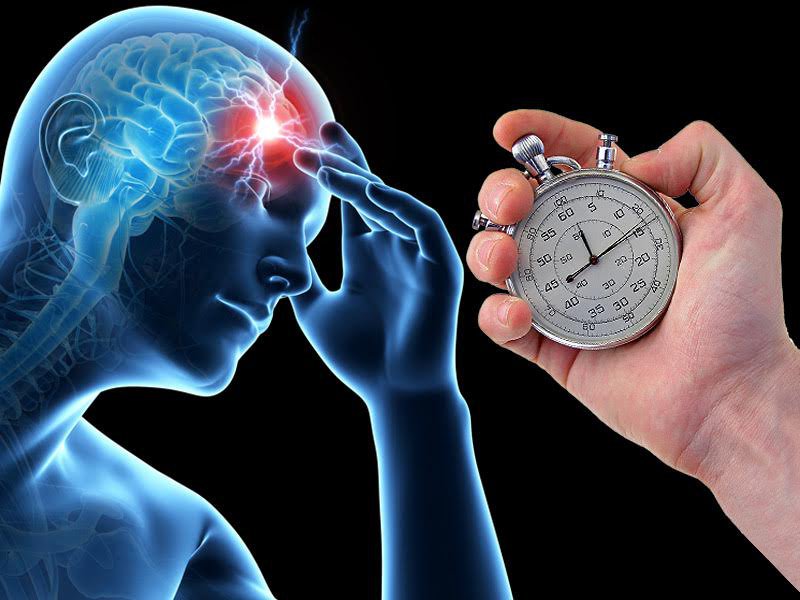
1. Keep Your Blood Pressure Under Control
If there is one number that deserves your attention, it's your blood pressure.
High blood pressure, also known as hypertension, is one of the strongest risk factors for both stroke and heart attack.
The problem is that hypertension often causes no symptoms for years.
Many people feel perfectly healthy while damage slowly occurs inside their blood vessels.
Persistently elevated blood pressure can:
-
Damage artery walls
-
Increase strain on the heart
-
Promote plaque formation
-
Increase the risk of blood clots
-
Raise the chance of bleeding in the brain
Regular blood pressure checks are one of the simplest ways to monitor your cardiovascular health.
If your healthcare provider recommends lifestyle changes or medication, following that plan can make a meaningful difference.
2. Stay Physically Active
Exercise benefits nearly every part of the cardiovascular system.
Regular physical activity can help:
-
Lower blood pressure
-
Improve cholesterol levels
-
Support healthy blood sugar
-
Strengthen the heart muscle
-
Improve circulation
-
Help maintain a healthy weight
Current public health guidelines generally recommend at least 150 minutes of moderate-intensity aerobic activity each week, along with muscle-strengthening activities on two or more days.
You don't have to become a marathon runner.
Walking, cycling, swimming, dancing, gardening, or even brisk household chores can all contribute.
The most effective exercise is often the one you enjoy enough to continue.
3. Eat a Heart-Healthy Diet
Your diet influences many important risk factors, including blood pressure, cholesterol, blood sugar, and body weight.
A heart-friendly eating pattern emphasizes:
-
Vegetables
-
Fruits
-
Whole grains
-
Beans and lentils
-
Nuts and seeds
-
Fish
-
Lean sources of protein
-
Healthy fats such as olive oil
Try to limit:
-
Sugar-sweetened beverages
-
Highly processed foods
-
Excess sodium
-
Foods high in saturated fat
-
Frequent consumption of processed meats
Rather than focusing on one "superfood," think about improving your overall eating pattern.
Small changes made consistently often produce the greatest long-term benefit.
4. Don't Smoke—and Avoid Secondhand Smoke
Smoking is one of the most important preventable causes of cardiovascular disease.
Tobacco damages blood vessels, promotes inflammation, reduces oxygen delivery, and increases the tendency for blood to clot.
These effects substantially raise the risk of:
-
Heart attack
-
Stroke
-
Peripheral artery disease
-
Aortic aneurysm
The good news is that quitting smoking begins providing benefits almost immediately.
Over time, cardiovascular risk declines significantly after smoking cessation.
Even if you've smoked for many years, quitting is still worthwhile.
If quitting feels difficult, speak with your healthcare provider about medications, counseling, or smoking cessation programs.
5. Manage Blood Sugar and Cholesterol
Diabetes and unhealthy cholesterol levels can quietly damage blood vessels over many years.
High LDL ("bad") cholesterol contributes to plaque buildup inside arteries, while diabetes increases the risk of damage to blood vessels throughout the body.
Regular health checkups can help identify these conditions before complications develop.
If you have diabetes, work with your healthcare provider to manage:
-
Blood glucose
-
Blood pressure
-
Cholesterol
-
Kidney health
Likewise, if your cholesterol is elevated, lifestyle changes and, when appropriate, medication can help reduce cardiovascular risk.
Monitoring these numbers is just as important as treating them.
6. Get Enough Sleep and Manage Stress
Sleep and stress are often overlooked, but both influence cardiovascular health.
Adults generally benefit from 7–9 hours of quality sleep each night.
Poor sleep has been associated with:
-
High blood pressure
-
Weight gain
-
Type 2 diabetes
-
Heart disease
-
Stroke
Chronic stress may also contribute to unhealthy behaviors such as overeating, smoking, excessive alcohol use, or physical inactivity.
While it's impossible to eliminate stress completely, healthy coping strategies can help.
Consider:
-
Regular physical activity
-
Relaxation techniques
-
Spending time outdoors
-
Connecting with family and friends
-
Mindfulness or meditation
-
Seeking professional support when needed
Taking care of your mental health also supports your physical health.
7. Know the Warning Signs—and Act Quickly
Even with excellent prevention, emergencies can still happen.
Recognizing the symptoms of stroke and heart attack can save lives.
Common Stroke Warning Signs
Remember the acronym F.A.S.T.
F – Face drooping
One side of the face appears uneven or droops.
A – Arm weakness
One arm feels weak or numb.
S – Speech difficulty
Speech becomes slurred or difficult to understand.
T – Time to call emergency services
A stroke is a medical emergency.
Other symptoms may include:
-
Sudden vision changes
-
Difficulty walking
-
Severe dizziness
-
Sudden confusion
-
A sudden, severe headache unlike previous headaches
Common Heart Attack Symptoms
Heart attack symptoms may include:
-
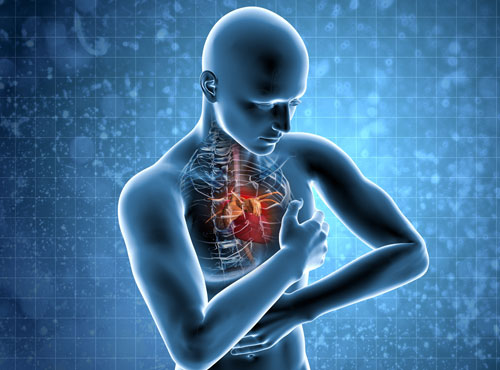
Chest pressure, tightness, or pain
-
Pain spreading to the arm, shoulder, jaw, neck, or back
-
Shortness of breath
-
Cold sweat
-
Nausea
-
Lightheadedness
-
Unusual fatigue
Not everyone experiences the classic "crushing chest pain."
Women, older adults, and people with diabetes may have less typical symptoms.
If you suspect a heart attack or stroke, seek emergency medical care immediately.
Do not drive yourself if emergency services are available.
Early treatment can dramatically improve outcomes.
Who Is at Higher Risk?
Certain factors increase the likelihood of stroke or heart attack.
Some cannot be changed, including:
-
Increasing age
-
Family history
-
Certain inherited conditions
Others are modifiable:
-
Smoking
-
High blood pressure
-
Diabetes
-
High cholesterol
-
Obesity
-
Physical inactivity
-
Poor diet
-
Excessive alcohol use
Even if you have inherited risk factors, improving the modifiable ones can still make a meaningful difference.
Small Changes Add Up
Many people assume they need to completely transform their lifestyle overnight.
In reality, gradual improvements are often more sustainable.
Examples include:
-
Taking a 20-minute walk after dinner.
-
Replacing sugary drinks with water.
-
Adding an extra serving of vegetables each day.
-
Reducing processed snack foods.
-
Cooking more meals at home.
-
Monitoring blood pressure regularly.
-
Going to bed 30 minutes earlier.
Small actions repeated consistently become powerful habits.
The Importance of Regular Health Checkups
Many cardiovascular risk factors develop silently.
Routine medical visits can help identify:
-
High blood pressure
-
Elevated cholesterol
-
Diabetes
-
Kidney disease
-
Irregular heart rhythms such as atrial fibrillation
Early detection allows treatment before serious complications occur.
Even if you feel well, preventive care remains valuable.
Don't Be Misled by "Miracle" Remedies
The internet is filled with products claiming to:
-
Clean arteries
-
Dissolve plaque
-
Prevent strokes overnight
-
Reverse heart disease naturally
These claims are rarely supported by high-quality scientific evidence.
There is no single tea, supplement, vitamin, or detox drink that can replace healthy lifestyle habits or prescribed medical treatment.
If something sounds too good to be true, it probably is.
Heart and Brain Health Go Hand in Hand
Your heart and brain are closely connected through an extensive network of blood vessels.
Healthy arteries support oxygen delivery to every organ in the body.
The same habits that protect your heart often benefit your brain as well.
Eating well, exercising, avoiding tobacco, controlling blood pressure, and managing chronic conditions reduce the risk of both heart attack and stroke.
This means every healthy choice supports multiple aspects of long-term well-being.
The Bottom Line
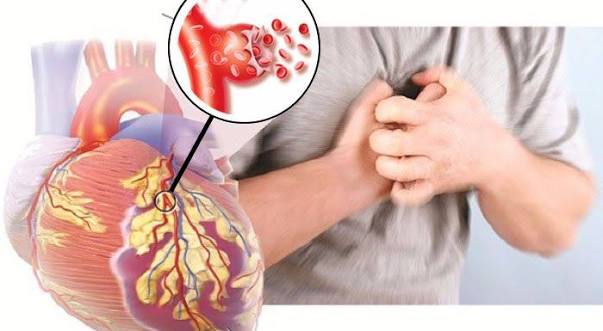
Heart attack and stroke remain serious medical emergencies, but many of their major risk factors can be improved through consistent lifestyle habits and appropriate medical care.
Focus on controlling blood pressure, staying physically active, eating a balanced diet, avoiding tobacco, managing blood sugar and cholesterol, getting enough sleep, reducing stress, and recognizing the warning signs of cardiovascular emergencies.
No single habit provides complete protection.
However, when these healthy choices are practiced together over months and years, they can significantly support cardiovascular health and reduce the risk of future complications.
The most effective prevention isn't built in one day.
It's built through the small decisions you make every day.