7 Foods Believed to Help Kill Intestinal Worms: Natural Remedies or Just Myths? 🤔
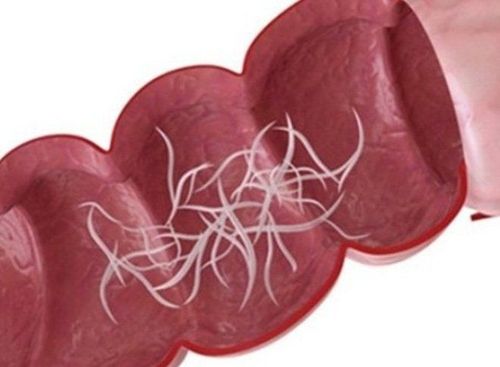
Intestinal worms are a common health issue in many parts of the world, especially in areas with poor sanitation or contaminated food and water. While medical treatment is often the safest and most effective solution, certain foods have long been believed to help fight intestinal parasites naturally.
But do these remedies really work, or are they simply old myths passed down through generations? Here’s a closer look at seven foods commonly associated with fighting intestinal worms.
1. Garlic 🧄
Garlic is one of the most popular natural remedies for parasites. It contains compounds such as allicin, which may have antimicrobial and antiparasitic properties.
Some people believe eating raw garlic can help create an environment that is less friendly to intestinal worms. While laboratory studies show potential benefits, scientific evidence in humans remains limited.
2. Pumpkin Seeds 🎃
Pumpkin seeds contain cucurbitacin, a natural compound thought to paralyze certain parasites, making them easier for the body to eliminate.
They have been used traditionally in many cultures as a natural deworming remedy. Although some small studies suggest possible effects, pumpkin seeds should not replace prescribed treatment for serious infections.
3. Papaya Seeds 🍈
Papaya seeds are believed to contain enzymes and compounds that may help damage parasites in the digestive tract.
A few studies have shown promising results, especially when papaya seeds are combined with honey. However, more research is needed before they can be considered a reliable treatment.
4. Coconut 🥥
Coconut and coconut oil are often promoted as natural antiparasitic foods. Some believe the medium-chain fatty acids in coconut may help fight harmful organisms in the gut.
Despite its popularity in natural health circles, there is currently limited strong scientific evidence proving coconut can eliminate intestinal worms in humans.
5. Carrots 🥕

Rich in fiber and beta-carotene, carrots may support digestive health and immune function. Traditional remedies sometimes recommend raw carrots to help the body naturally expel parasites.
While healthy overall, carrots alone are unlikely to cure a parasitic infection.
6. Turmeric 🌿
Turmeric contains curcumin, known for its anti-inflammatory and antimicrobial properties. Some believe it may help create a healthier digestive environment and support the immune system against infections.
However, scientific proof specifically linking turmeric to parasite removal is still limited.
7. Pomegranate 🍎
Certain parts of the pomegranate plant have historically been used in traditional medicine to fight intestinal worms.
Modern research has explored its possible antiparasitic effects, but evidence is not yet strong enough to recommend it as a primary treatment.
Natural Remedies vs. Medical Treatment ⚠️
Although these foods may offer some digestive or immune-supporting benefits, there is not enough scientific evidence to confirm that they can reliably eliminate intestinal worms on their own.
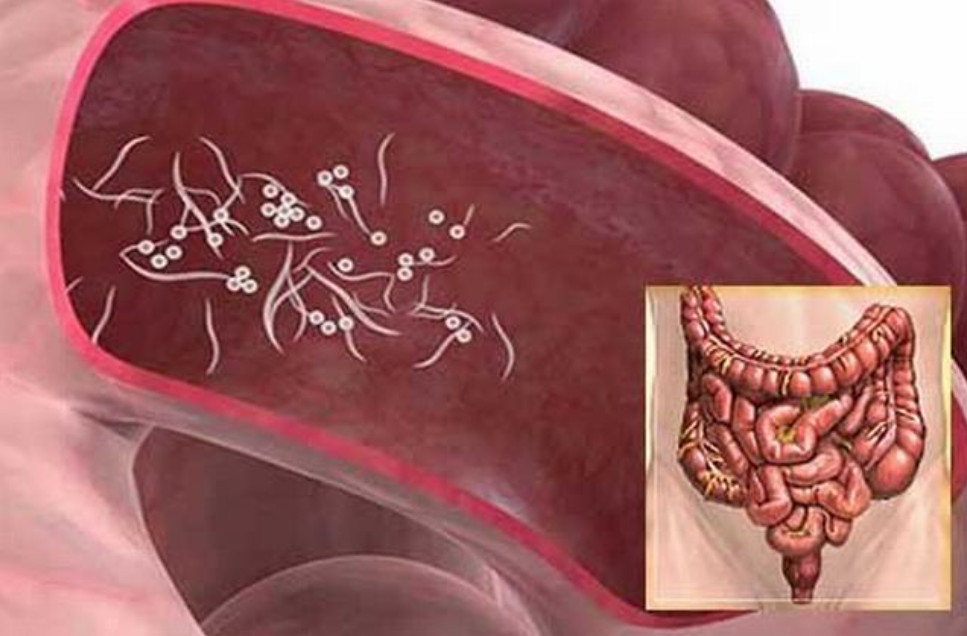
Symptoms of intestinal parasites may include:
- Abdominal pain
- Diarrhea
- Weight loss
- Fatigue
- Nausea
- Itching around the anus
If you suspect a parasitic infection, it’s important to seek medical advice. Doctors can diagnose the condition properly and prescribe effective antiparasitic medications when needed.
How to Reduce the Risk of Intestinal Worms 💧
- Wash hands regularly
- Cook meat thoroughly
- Drink clean water
- Wash fruits and vegetables carefully
- Maintain proper sanitation and hygiene
Natural foods may support overall digestive health, but they should not replace professional medical care for confirmed parasitic infections. When it comes to intestinal worms, accurate diagnosis and proper treatment remain the safest approach.
7 Foods Believed to Help Kill Intestinal Worms: Natural Remedies, Scientific Evidence, and What Really Works
Intestinal worms are a health concern that affects millions of people worldwide. These parasites can enter the human body through contaminated food or water, soil, undercooked meat, or contact with contaminated hands and surfaces. Some infections cause obvious symptoms, while others may remain unnoticed for months or even years.
For generations, people have turned to natural foods and traditional remedies in the hope of removing intestinal parasites. Garlic, pumpkin seeds, papaya seeds, coconut, carrots, turmeric, and pomegranate are among the foods frequently recommended in traditional medicine and online wellness communities.
Many of these foods contain compounds that have attracted scientific interest. Some show antimicrobial or antiparasitic activity in laboratory experiments, while others support general nutritional health. However, there is an important distinction between a food that contains biologically active compounds and a treatment that has been proven to eliminate parasites from the human intestine.
A substance may damage a parasite in a laboratory dish but have little effect when eaten. Digestion, absorption, dosage, the type of parasite, and the concentration of an active compound can all influence the outcome.
This article examines seven foods traditionally associated with intestinal worm remedies, what research can and cannot tell us about them, how intestinal parasites are diagnosed, and why proper treatment remains important.
Important health note: None of the seven foods discussed below should be relied upon as a proven substitute for appropriate antiparasitic medication. If you suspect an intestinal worm infection, a healthcare professional can help identify the likely parasite and recommend suitable treatment.
1. Garlic: A Traditional Remedy With Antimicrobial Properties
Garlic has been used in traditional medicine for centuries. It is valued for its distinctive flavor and contains sulfur-containing compounds that contribute to its aroma and biological activity.
One of the best-known compounds associated with garlic is allicin. When fresh garlic is crushed or chopped, an enzyme called alliinase helps convert a precursor compound into allicin. This compound has been investigated for a range of antimicrobial effects.
Why do people believe garlic can kill intestinal worms?
Traditional remedies often recommend eating raw garlic or adding large quantities to meals to help eliminate parasites. The belief is partly based on garlic's antimicrobial reputation and on laboratory studies exploring the effects of garlic extracts against various microorganisms and parasites.
Some experimental studies have reported effects on particular parasites under controlled conditions. These findings have encouraged further research into garlic-derived compounds as potential sources of new treatments.
However, laboratory activity does not establish that eating garlic will cure a human intestinal worm infection.
The concentration used in an experiment may be much higher than what can safely or realistically be achieved in the digestive tract through food. In addition, the active compounds may be broken down during digestion or absorbed before reaching the location where a parasite lives.