
The Health Benefits of Walnuts: How Much Should You Eat?
Everything You Need to Know About Walnuts and Their Health Benefits
Health 06/08/2026 22:44
After spending hours sitting at a desk, standing at work, or walking throughout the day, many people notice that their legs feel tired, heavy, or slightly swollen. One simple habit often recommended for temporary relief is elevating the legs. This practice involves raising your legs above the level of your heart for a short period of time while lying down.
You may have seen claims online suggesting that elevating your legs every day can detoxify your body, cure varicose veins, or dramatically improve circulation. While these statements are often exaggerated, there is scientific evidence that leg elevation may provide several benefits for comfort and circulation in certain situations.
It is important to remember that leg elevation is not a treatment for underlying medical conditions, and persistent swelling, pain, or circulation problems should always be evaluated by a healthcare professional.
Here are seven potential benefits of incorporating leg elevation into a healthy daily routine.
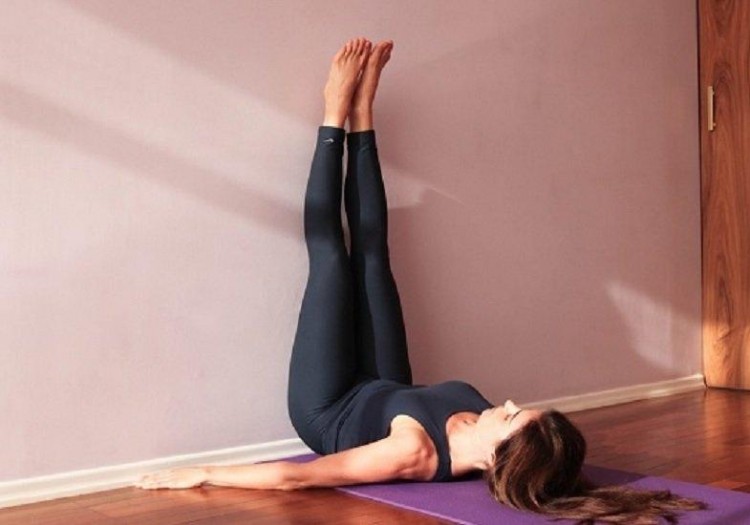
Leg elevation simply means positioning your legs above the level of your heart while lying comfortably on your back.
This position uses gravity to help encourage blood and fluid to move from the lower legs back toward the heart.
People commonly elevate their legs by:
Lying on a bed with pillows under the legs
Resting on a sofa with the feet supported
Using a wedge pillow
Placing the legs against a wall for a gentle stretch (if comfortable)
Many people find that 15 to 20 minutes of leg elevation is sufficient for temporary comfort, although individual needs vary.
Throughout the day, gravity naturally pulls blood and fluid toward the feet and ankles.
Normally, muscles in the legs and one-way valves inside the veins help move blood back toward the heart.
However, prolonged:
Standing
Sitting
Travel
Pregnancy
Hot weather
may allow fluid to collect in the lower legs, leading to temporary swelling or feelings of heaviness.
Elevating the legs may help counteract some of these effects.
One of the most recognized benefits of leg elevation is helping reduce temporary swelling (edema) in the feet and ankles.
Mild swelling commonly develops after:
Long workdays
Extended standing
Long-distance travel
Warm weather
By raising the legs above heart level, gravity may assist the return of excess fluid toward the body's circulation.
However, persistent or severe swelling should never be ignored, as it may indicate heart, kidney, liver, or vein disorders that require medical evaluation.
Many people experience:
Aching legs
Heavy legs
Fatigue
Tightness
after remaining in one position for many hours.
Leg elevation may temporarily improve comfort by reducing pressure in the lower limbs.
Although it may feel refreshing, it should not replace regular movement throughout the day.
Standing up, stretching, and walking every hour remain important for circulation.
The veins in your legs work continuously to return blood upward against gravity.
People with mild venous insufficiency sometimes experience:
Leg heaviness
Mild swelling
Fatigue after standing
Elevating the legs may temporarily reduce venous pressure and improve comfort.
However, leg elevation does not cure chronic venous insufficiency or varicose veins.
Individuals with ongoing symptoms should seek medical advice regarding appropriate treatment.

Many people describe leg elevation as a relaxing way to end the day.
Taking 15–20 minutes to rest quietly while elevating the legs may help promote a sense of relaxation, particularly after physically demanding activities.
The relaxing effect likely results from:
Rest
Reduced muscle fatigue
Improved comfort
A calming daily routine
There is no evidence that leg elevation directly reduces stress hormones, but creating regular moments of rest can contribute to overall well-being.
Pregnancy commonly causes mild swelling of the feet and ankles, especially during the later months.
Healthcare professionals often recommend simple comfort measures such as:
Changing positions frequently
Gentle walking
Staying hydrated
Elevating the legs when resting
However, sudden or severe swelling during pregnancy should be evaluated promptly, as it may indicate conditions such as preeclampsia that require immediate medical attention.
Pregnant individuals should always follow the guidance of their healthcare provider.
Extended periods of sitting during:
Air travel
Car trips
Train rides
can contribute to temporary swelling in the lower legs.
After arriving at your destination, elevating the legs for a short period may help improve comfort.
During travel, it is equally important to:
Walk whenever possible.
Stretch the calf muscles.
Flex and extend your ankles while seated.
Stay adequately hydrated.
People at increased risk of blood clots should discuss travel precautions with their healthcare provider.
Although simple, leg elevation can become part of a broader self-care routine.
Combining leg elevation with:
Gentle stretching
Deep breathing
Adequate hydration
Regular movement
Good sleep habits
may help promote overall physical comfort after a busy day.
Healthy recovery involves many lifestyle habits working together—not one single practice.
For most healthy adults, leg elevation is simple.
Lie comfortably on your back.
Place pillows, a cushion, or a wedge beneath your calves and ankles.
Raise your legs so they are slightly above the level of your heart.
Relax for approximately 15–20 minutes.
Avoid placing pressure directly behind the knees, and ensure your legs are comfortably supported.
If you experience pain, numbness, dizziness, or discomfort, lower your legs and consult a healthcare professional if symptoms persist.
Leg elevation works best when combined with other healthy lifestyle practices.
These include:
Walking helps activate the calf muscles, which act as a "muscle pump" to move blood back toward the heart.
Aim for regular movement throughout the day.
If you work at a desk, stand up and move at least once every hour.
Simple stretches can reduce stiffness and improve comfort.
Maintaining a healthy body weight may reduce stress on the joints and veins of the lower limbs.
Adequate hydration supports normal circulation and overall health.
Supportive shoes may improve comfort during long periods of standing or walking.
Fact: The liver and kidneys naturally remove waste products from the body. Leg elevation has not been shown to detoxify the body.
Fact: Leg elevation may temporarily reduce discomfort but does not eliminate or reverse varicose veins.
Fact: Many healthy people may enjoy the comfort it provides, but it is not medically necessary for everyone.
Fact: Extremely prolonged positioning is generally unnecessary. Short sessions are often sufficient for temporary relief.
Fact: Physical activity remains essential for cardiovascular health, muscle strength, and healthy circulation.
Do not rely on leg elevation alone if you experience:
Swelling in only one leg
Sudden severe swelling
Chest pain
Shortness of breath
Persistent leg pain
Skin discoloration
Open sores
Warmth and redness in one leg
These symptoms may indicate serious medical conditions that require prompt evaluation.
Although leg elevation is generally safe, it may not be appropriate for everyone.
Speak with your healthcare provider if you have:
Severe heart failure
Peripheral arterial disease
Certain vascular conditions
Recent leg injuries or surgery
Unexplained leg pain or swelling
Your healthcare provider can advise whether leg elevation is appropriate for your situation.
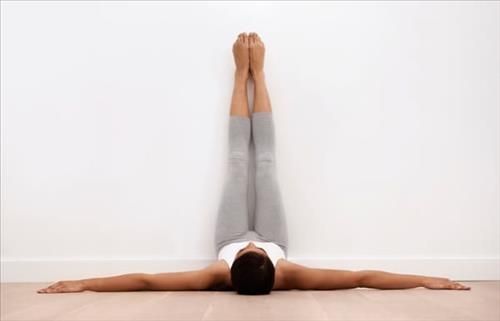
Elevating your legs is a simple habit that may help reduce mild swelling, ease feelings of tired or heavy legs, temporarily support venous circulation, and promote relaxation after long periods of standing or sitting. It can also be a useful comfort measure after travel or during pregnancy when recommended by a healthcare provider. While these benefits are supported by basic principles of circulation and clinical practice, leg elevation is not a cure for chronic vein disease, heart disease, or other medical conditions.
For the greatest benefit, combine leg elevation with regular physical activity, healthy body weight, good hydration, and frequent movement throughout the day. If swelling, pain, or other symptoms are persistent, severe, or affect only one leg, seek prompt medical evaluation to identify and treat the underlying cause.
Everything You Need to Know About Walnuts and Their Health Benefits

Why Do So Many People Put Plastic Bottles in the Washer? The Answer May Surprise You

The Truth About Pairing Eggs: 10 Foods to Be Mindful Of
Bulging Veins …When They’re Harmless and When They Could Signal a Problem

The hidden mistake many people make when handling eggs at home
This One Superfood Could Tackle Major Health Issues—Here’s What You Need To Know

The Truth About Eating Peanuts Daily: Nutrition, Benefits, and Precautions

Cashews offer valuable nutrients when enjoyed in moderation.

Watch Out for These Foods That May Contain High Levels of Para.sites
Can Eating Garlic on an Empty Stomach Benefit Your Health?

Do your leg cramps strike most often at night, after exercise, or while resting?
If C.anc.er Is Developing in Your Body, These 7 Morning Signs Could Be Worth Checking
Should You Pee in the Shower? Pros and Cons Explained

Does Showering Every Day Benefit Your Skin? Here's What We Know

Two bedtime drinks may quietly affect sleep, blood sugar, and heart health.

Waking Up With a Dry Mouth? These 8 Common Causes Might Surprise You

Improperly stored foods may produce deadly toxins that cooking cannot destroy.

Garlic may support health, but it is not a proven cure for kidney disease.
Understanding Fatty Liver: What Causes It and How It's Managed
Everything You Need to Know About Walnuts and Their Health Benefits
Why Do So Many People Put Plastic Bottles in the Washer? The Answer May Surprise You
The Truth About Pairing Eggs: 10 Foods to Be Mindful Of
Bulging Veins …When They’re Harmless and When They Could Signal a Problem
The hidden mistake many people make when handling eggs at home
This One Superfood Could Tackle Major Health Issues—Here’s What You Need To Know
The Truth About Eating Peanuts Daily: Nutrition, Benefits, and Precautions

In a digital era where millions of videos flood our social media feeds every single day, true cinematic resonance remains a rare and precious find. A newly circulating Facebook reel has shattered through the noise of the algorithm, drawing thousands of vi

In a digital era where millions of videos and stories flood our feeds every single day, true cinematic resonance remains a rare and precious find. A newly circulating piece of media has shattered through the noise of the algorithm, drawing thousands of vi

In a digital universe overflowing with endless streams, fast-paced trends, and fleeting distractions, true cinematic magic on social media remains a rare and precious find. A newly shared Facebook reel has shattered through the digital noise once again, c

In a digital era where millions of videos flood our social media feeds every single day, true cinematic resonance remains a rare and precious find. A newly circulating Facebook reel has shattered through the noise of the algorithm, drawing thousands of vi

In a digital universe overflowing with endless streams, fast-paced trends, and fleeting distractions, true cinematic magic on social media remains a rare and precious find. A newly shared Facebook reel has shattered through the digital noise once again, c

In a digital era where millions of videos flood our social media feeds every single day, true cinematic resonance remains a rare and precious find. A newly circulating Facebook reel has shattered through the noise of the algorithm, drawing thousands of vi
Cashews offer valuable nutrients when enjoyed in moderation.
Watch Out for These Foods That May Contain High Levels of Para.sites
Can Eating Garlic on an Empty Stomach Benefit Your Health?
Do your leg cramps strike most often at night, after exercise, or while resting?
If C.anc.er Is Developing in Your Body, These 7 Morning Signs Could Be Worth Checking
Should You Pee in the Shower? Pros and Cons Explained