Your kidneys work quietly but tirelessly every day. They filter waste from the blood, regulate fluid balance, control electrolytes, and support overall body stability. Because of their silent nature, kidney problems often develop without obvious symptoms in the early stages.
However, as issues progress, the body begins to send warning signals. Recognizing these signs early can help prevent serious complications and allow for timely medical care.
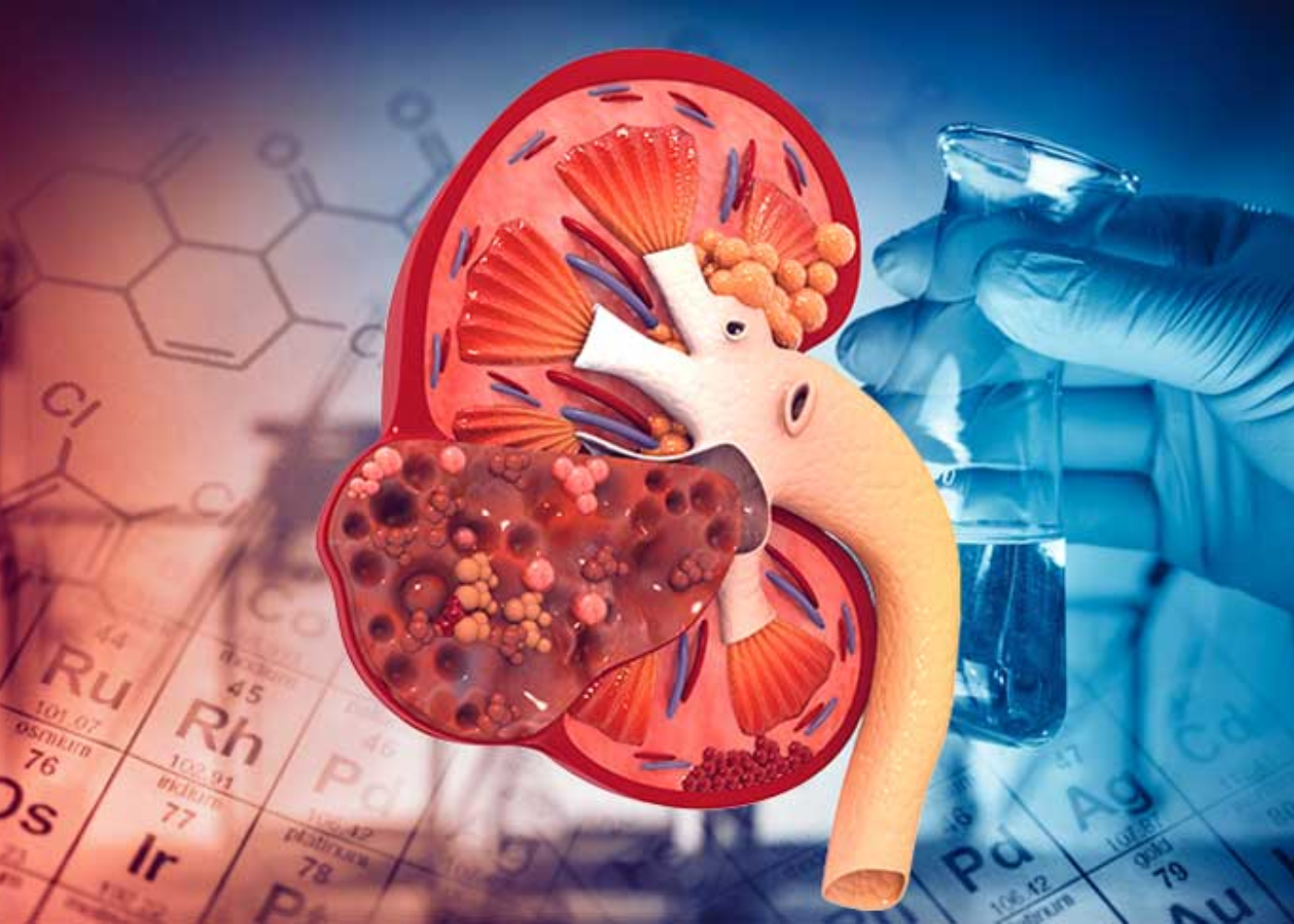
1. Changes in Urination
One of the earliest and most noticeable signs of kidney problems is a change in urination patterns.
This may include:
- Urinating more or less frequently than usual
- Dark, cloudy, or foamy urine
- Waking up multiple times at night to urinate
Since the kidneys are directly responsible for urine production, any unusual changes should be taken seriously.
2. Persistent Fatigue
If your kidneys are not functioning properly, waste products can build up in the blood. This can lead to:
- Constant tiredness
- Low energy levels
- Difficulty concentrating
Additionally, kidney issues can cause anemia, which further contributes to fatigue.
3. Swelling in the Body
Kidneys help regulate fluid balance. When they are not working efficiently, fluid can accumulate in the body.
Common areas of swelling include:
- Feet and ankles
- Hands
- Face, especially around the eyes
This swelling is often more noticeable in the morning or after long periods of sitting.
4. Shortness of Breath
Fluid buildup caused by kidney problems can also affect the lungs, leading to difficulty breathing.
Shortness of breath may occur due to:
- Fluid accumulation in the lungs
- Reduced oxygen delivery caused by anemia
If breathing feels more difficult without a clear reason, it should be evaluated.
5. Skin Problems (Dryness and Itching)
Healthy kidneys help maintain the balance of minerals and nutrients in the body. When this balance is disrupted, it can affect the skin.
Symptoms may include:
- Dry, flaky skin
- Persistent itching
- Irritation without an obvious cause
These signs may appear subtle but can indicate underlying issues.
6. Nausea and Loss of Appetite
As waste builds up in the body, it can affect the digestive system.
This may lead to:
- Nausea
- Vomiting
- Loss of appetite
- Unexplained weight loss
These symptoms are often mistaken for general digestive problems but may have deeper causes.
7. Muscle Cramps and Weakness
Kidneys play a role in maintaining electrolyte balance, including calcium and potassium levels.
When this balance is disrupted, it can cause:
- Frequent muscle cramps
- Weakness
- Irregular muscle function
These symptoms can interfere with daily activities and should not be ignored.
Why These Symptoms Are Often Overlooked
Many of these signs are subtle and can be mistaken for:
- Stress or fatigue
- Aging
- Minor health issues
Because of this, people may delay seeking medical advice. However, the persistence and combination of symptoms are what matter most.
When Should You See a Doctor?
It’s important to seek medical attention if:
- Symptoms last for more than a few weeks
- They worsen over time
- Multiple symptoms appear together
- There is no clear explanation
Early diagnosis can significantly improve outcomes and prevent further damage.

Protecting Your Kidney Health
While not all kidney conditions can be prevented, certain habits can reduce risk:
- Stay hydrated
- Maintain a balanced diet
- Limit excessive salt and processed foods
- Monitor blood pressure and blood sugar
- Avoid overuse of certain medications
Prevention and early detection go hand in hand.
Final Thoughts
Kidney problems often develop quietly, but the body does provide warning signs. Paying attention to changes in urination, energy levels, swelling, and other symptoms can make a crucial difference.
These seven symptoms are not definitive proof of kidney disease, but they are signals worth noticing. Listening to your body and acting early is one of the most effective ways to protect your long-term health.
Sometimes, the signs are subtle - but they are there for a reason.