7+ Silent Symptoms of Fatty Liver You Should Never Ignore
Fatty liver disease is often called a “silent” condition—and for good reason. Many people live with it for years without realizing anything is wrong. But while it may stay quiet in the early stages, your body still sends subtle signals that something isn’t right. Ignoring these signs can lead to serious complications over time.
Let’s break down the most important symptoms you should watch for before it’s too late.
1. Persistent Fatigue That Won’t Go Away
Feeling tired after a long day is normal. But if you constantly feel drained—even after getting enough sleep—it might be more than just stress.
Fatty liver can interfere with how your body processes nutrients and energy. As a result, your cells don’t get the fuel they need, leaving you feeling sluggish and weak.
If your energy levels are always low without a clear reason, it’s worth paying attention.
2. Discomfort or Pain in the Upper Right Abdomen
Your liver sits in the upper right side of your abdomen. When it becomes enlarged due to fat buildup, it can cause discomfort or a dull ache in that area.
This pain is usually not sharp—it’s more like a constant pressure or heaviness that comes and goes.
Many people ignore this sign, thinking it’s just indigestion or muscle strain—but it could be something deeper.
3. Unexplained Skin Issues and Red Spots

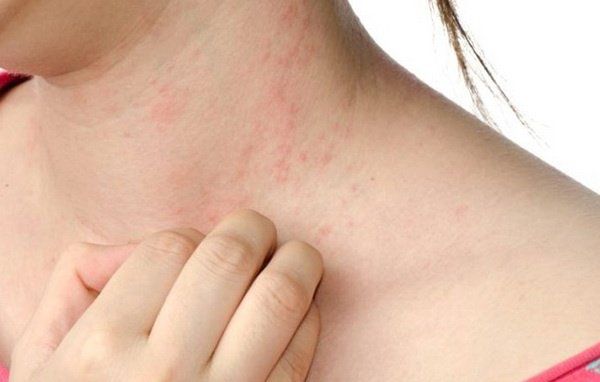
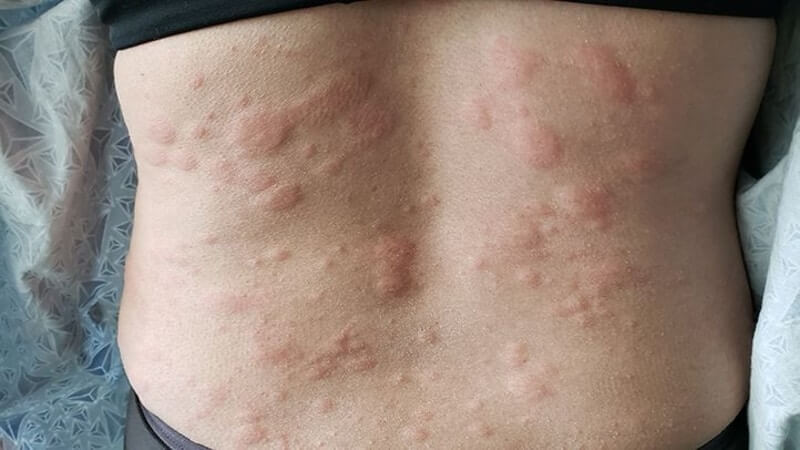
One of the most overlooked symptoms of fatty liver is changes in the skin.
You might notice:
-
Red spots or blotches
-
Itchy skin
-
Unusual irritation without a clear cause
These happen because your liver plays a key role in detoxifying your body. When it’s not working properly, toxins can build up and show through your skin.
Your skin often reflects what’s happening inside your body—don’t ignore it.
4. Sudden Weight Gain or Difficulty Losing Weight
Fatty liver is closely linked to metabolism. If your liver isn’t functioning efficiently, your body may struggle to process fats and sugars properly.
This can lead to:
-
Rapid weight gain
-
Fat accumulation, especially around the abdomen
-
Difficulty losing weight despite diet and exercise
If your body feels “stuck” no matter what you do, your liver could be part of the problem.
5. Brain Fog and Poor Concentration
Have you ever felt mentally slow, forgetful, or unable to focus?
This “brain fog” can be a subtle sign of liver dysfunction. When toxins aren’t properly filtered out, they can affect brain function.
You may notice:
-
Trouble concentrating
-
Memory lapses
-
Slower thinking
It’s not just stress—your liver health might be affecting your mind.
6. Swelling in Legs and Ankles


Fluid retention is another warning sign that often gets ignored.
When the liver struggles, it can affect circulation and fluid balance, leading to swelling—especially in the lower body.
Look out for:
-
Puffy ankles
-
Tight shoes by the end of the day
-
Visible swelling in feet or legs
This is your body signaling imbalance—don’t brush it off.
7. Dark Urine or Pale Stool
Changes in waste color might not seem like a big deal—but they can be a major clue.
-
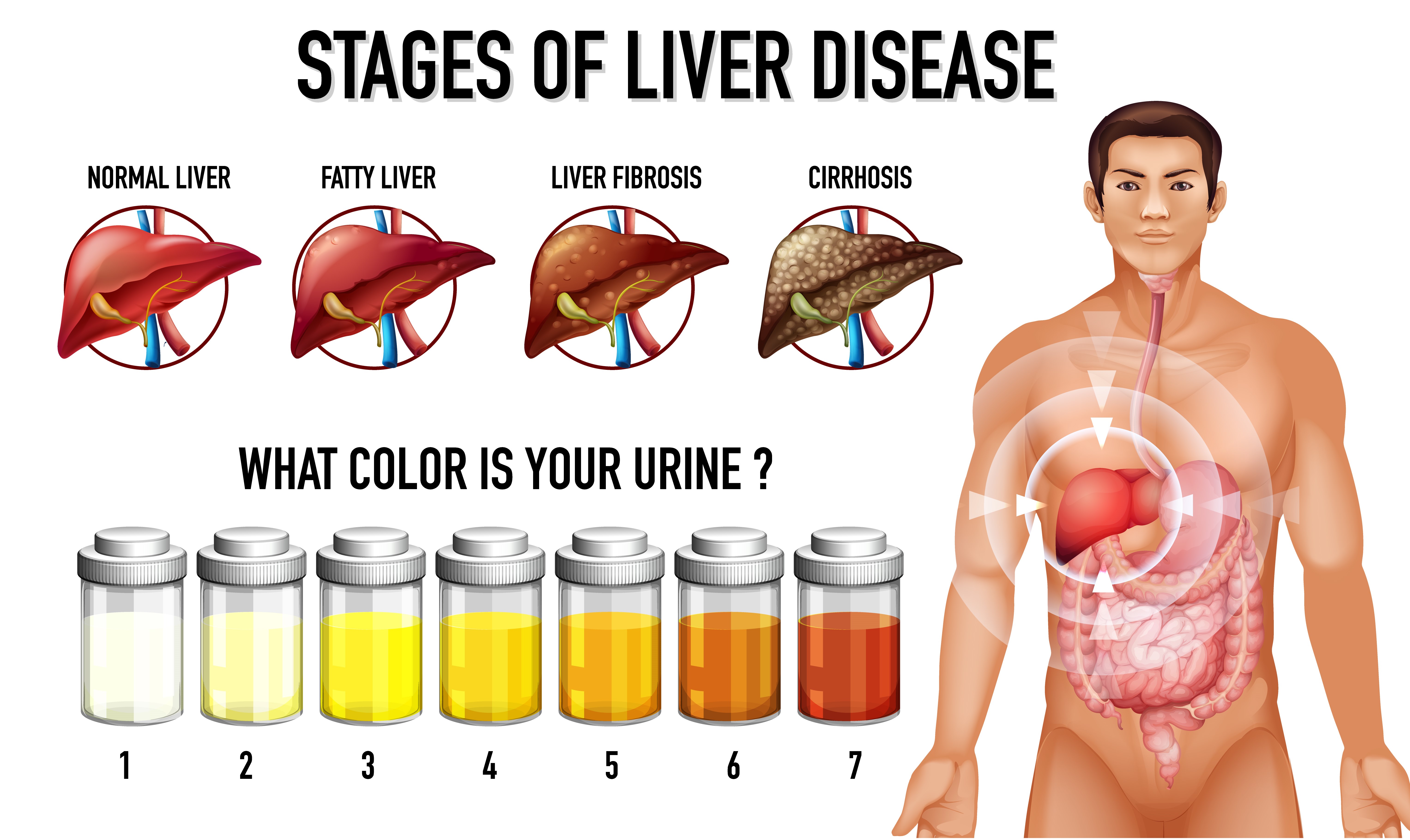
Dark urine can indicate toxin buildup
-
Pale stool may suggest bile flow issues
Since the liver produces bile, any disruption can affect digestion and waste elimination.
These signs are easy to miss but extremely important.
8. Increased Sensitivity to Alcohol or Fatty Foods

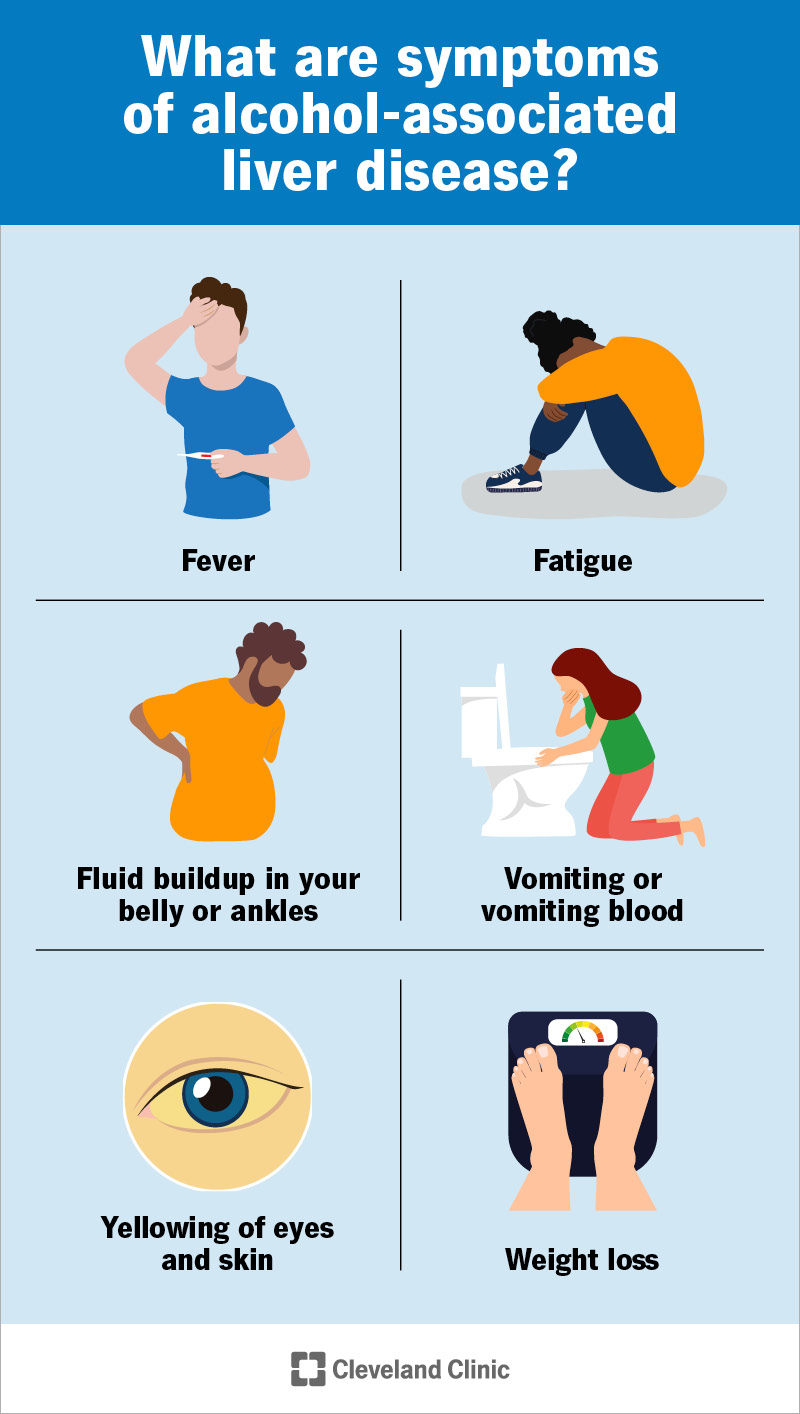
If you suddenly feel worse after drinking alcohol or eating greasy foods, your liver might be struggling.
You may experience:
-
Nausea
-
Bloating
-
Discomfort after meals
Your liver is responsible for processing these substances. When it’s overloaded, even small amounts can make you feel unwell.
Your tolerance dropping is not random—it’s a warning sign.
9. Yellowing of Skin or Eyes (Late Sign)

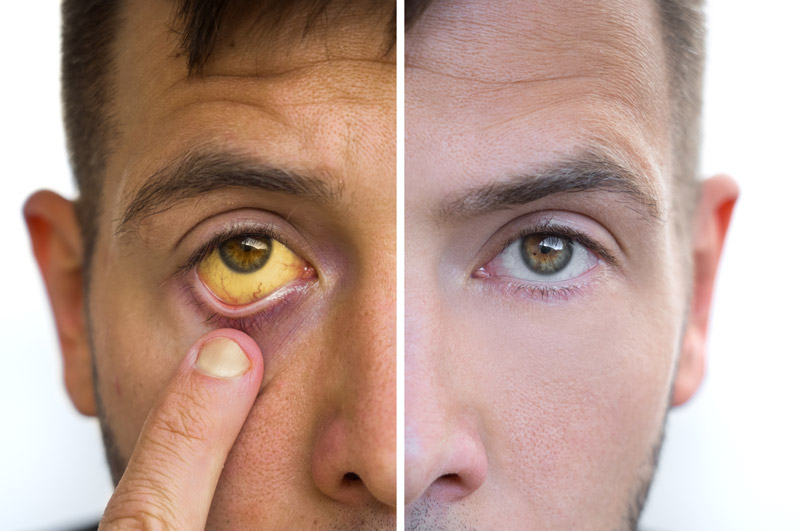
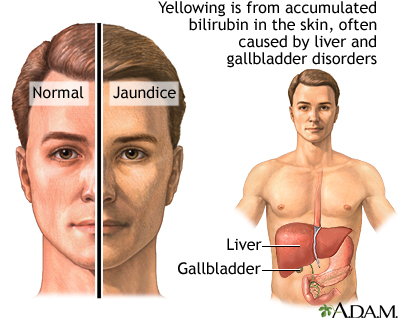
This is a more advanced symptom, known as jaundice.
It happens when bilirubin builds up in the body due to poor liver function. You may notice:
-
Yellowish eyes
-
Yellow skin tone
At this stage, medical attention is urgent.
Why Fatty Liver Is So Dangerous
The biggest issue with fatty liver disease is that it progresses quietly.
It can move through stages:
-
Simple fatty liver (early, often reversible)
-
Inflammation (NASH)
-
Fibrosis (scarring)
-
Cirrhosis (severe damage)
By the time symptoms become obvious, the damage may already be significant.
What You Can Do Right Now
The good news? Fatty liver is often reversible—especially in early stages.
Here’s how to protect yourself:
-
Eat cleaner: Reduce sugar, processed foods, and unhealthy fats
-
Exercise regularly: Even light activity helps
-
Limit alcohol: Give your liver a break
-
Stay hydrated: Helps detoxification
-
Get regular check-ups: Blood tests can detect issues early
Final Thoughts
Fatty liver doesn’t always shout—but it does whisper.
Those small signs—fatigue, skin changes, swelling, brain fog—are your body trying to communicate. Ignoring them can lead to serious consequences, but catching them early can make all the difference.
Listen to your body. It knows when something isn’t right.