One Month Before a Heart Attack, Your Body May Show These 7 Warning Signs
Heart attacks rarely happen without warning. In many cases, the body begins sending subtle signals weeks—sometimes even a month—before a serious cardiac event occurs. Recognizing these early signs can help you seek medical care in time and potentially save your life.
Why Early Signs Matter

A heart attack occurs when blood flow to the heart is blocked. While some heart attacks are sudden, many develop gradually, with warning signs that are often overlooked or mistaken for less serious conditions.
7 Warning Signs to Watch For
1. Chest Discomfort
This is the most common symptom. It may feel like pressure, tightness, fullness, or pain in the center of the chest. The discomfort may come and go.
2. Unusual Fatigue
Feeling extremely tired without a clear reason—especially after simple activities—can be an early warning sign, particularly in women.
3. Shortness of Breath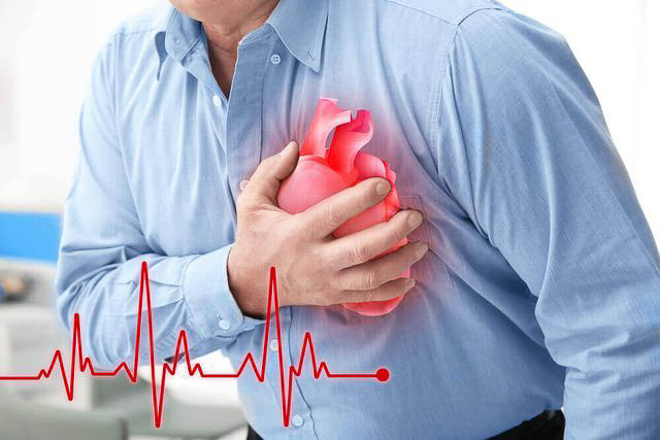
Difficulty breathing, even when resting or doing light activities, may indicate that your heart is struggling to pump effectively.
4. Pain in the Upper Body
Discomfort may spread to the arms (especially the left arm), back, neck, jaw, or shoulders. This pain can be mild or severe and may come and go.
5. Sleep Disturbances
Trouble falling asleep, waking frequently, or feeling anxious at night has been reported in some people before a heart attack.
6. Dizziness or Lightheadedness
Feeling faint or unsteady could be linked to reduced blood flow and should not be ignored.
7. Nausea or Indigestion
Some people experience stomach discomfort, nausea, or a sensation similar to heartburn before a heart attack.
When to Seek Help

If you notice several of these symptoms—especially chest discomfort combined with shortness of breath or upper body pain—seek medical attention immediately. Acting quickly can significantly reduce damage to the heart.
Final Thoughts
Your body often gives you clues before a serious event like a heart attack. Paying attention to these early warning signs and taking them seriously could make all the difference. Don’t ignore what your body is trying to tell you—early action saves lives.