
1 vegetable dish can prevent 6 types of cancer
Health 03/06/2026 10:40
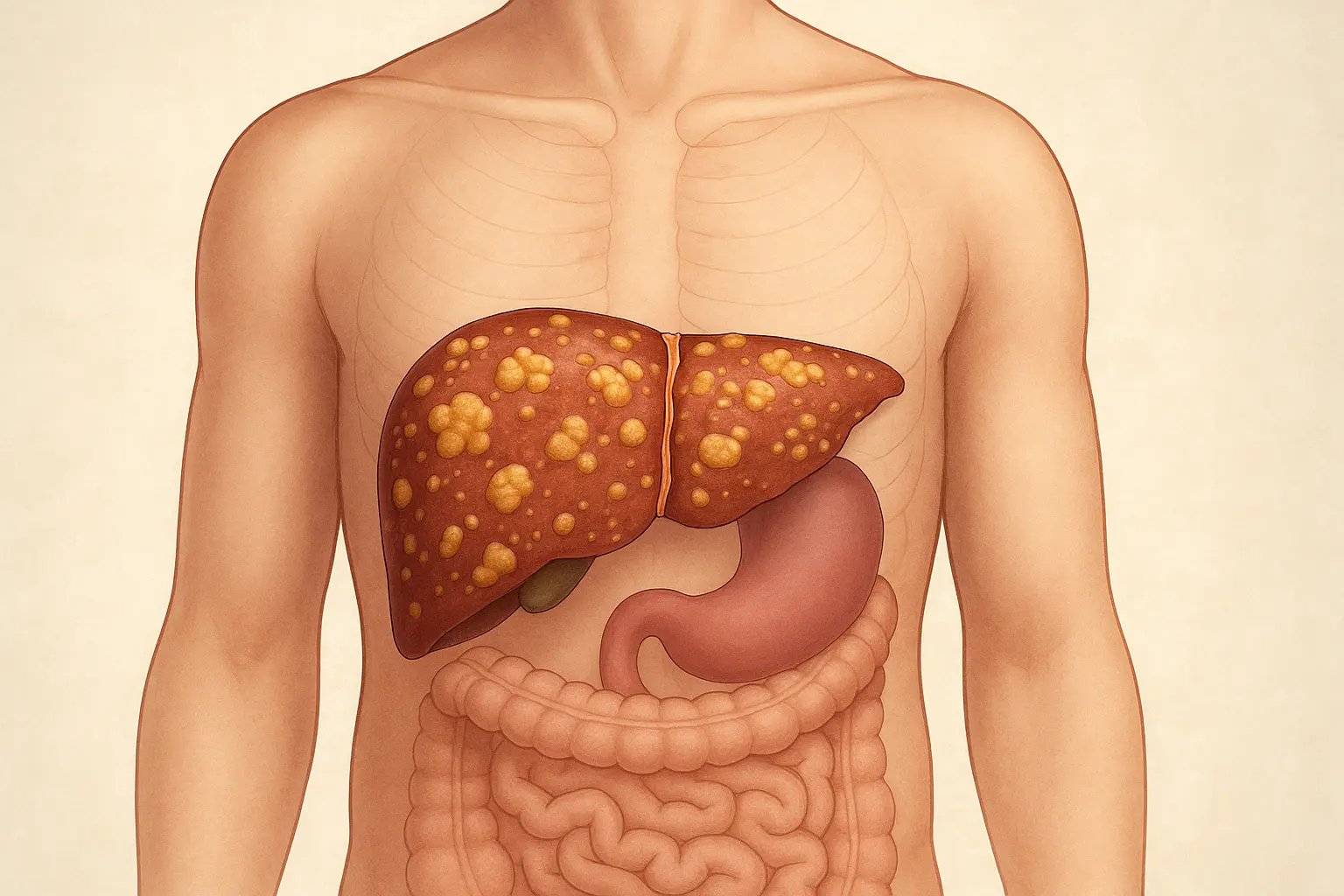
Fatty liver disease is becoming increasingly common worldwide, affecting millions of adults and even some children. What makes this condition particularly concerning is that it often develops silently, with few or no symptoms in its early stages.
When excess fat accumulates in the liver, inflammation and damage can gradually occur. If left unmanaged, fatty liver disease may progress to more serious conditions such as liver fibrosis, cirrhosis, or even liver failure.
Recognizing the warning signs early can help you seek medical advice and make lifestyle changes before significant damage occurs.

Fatty liver disease occurs when too much fat builds up inside liver cells. There are two main types:
Risk factors include:
Although many people with fatty liver disease experience no symptoms initially, certain warning signs may indicate that the liver is under stress.
Feeling tired occasionally is normal. However, ongoing fatigue that doesn't improve with adequate rest may be associated with liver dysfunction.
The liver plays a critical role in processing nutrients and removing toxins. When liver function becomes impaired, energy levels can decline, leaving individuals feeling exhausted even after a full night's sleep.
Many people with fatty liver disease report chronic tiredness as one of their earliest symptoms.
The liver is located in the upper right portion of the abdomen.
As fat accumulates and inflammation develops, some individuals may experience:
While this symptom does not always indicate fatty liver disease, persistent discomfort should be evaluated by a healthcare professional.
Unexpected weight fluctuations can sometimes signal liver problems.
Some individuals experience difficulty maintaining a healthy weight due to metabolic disturbances linked to fatty liver disease. In advanced cases, unintentional weight loss may occur as liver function deteriorates.
Any unexplained change in body weight warrants medical attention.
Excess belly fat is not only a risk factor for fatty liver disease but may also serve as a warning sign that metabolic health is being compromised.
Visceral fat—the fat surrounding internal organs—is strongly associated with liver fat accumulation.
Individuals with larger waist circumferences are more likely to develop fatty liver disease and its complications.
Many people are surprised to learn that liver health can affect brain function.
When the liver struggles to process toxins efficiently, some individuals report symptoms such as:
Although these symptoms can result from numerous conditions, they may sometimes be linked to chronic liver disease.
A condition known as acanthosis nigricans causes areas of skin to become darker and thicker, particularly around:
This skin change is often associated with insulin resistance, a major contributor to fatty liver disease.
The appearance of these darkened patches may indicate underlying metabolic issues that deserve medical evaluation.
Jaundice occurs when bilirubin builds up in the bloodstream faster than the liver can process it.
Symptoms may include:
Although jaundice typically appears in more advanced liver disease, it is a significant warning sign that should never be ignored.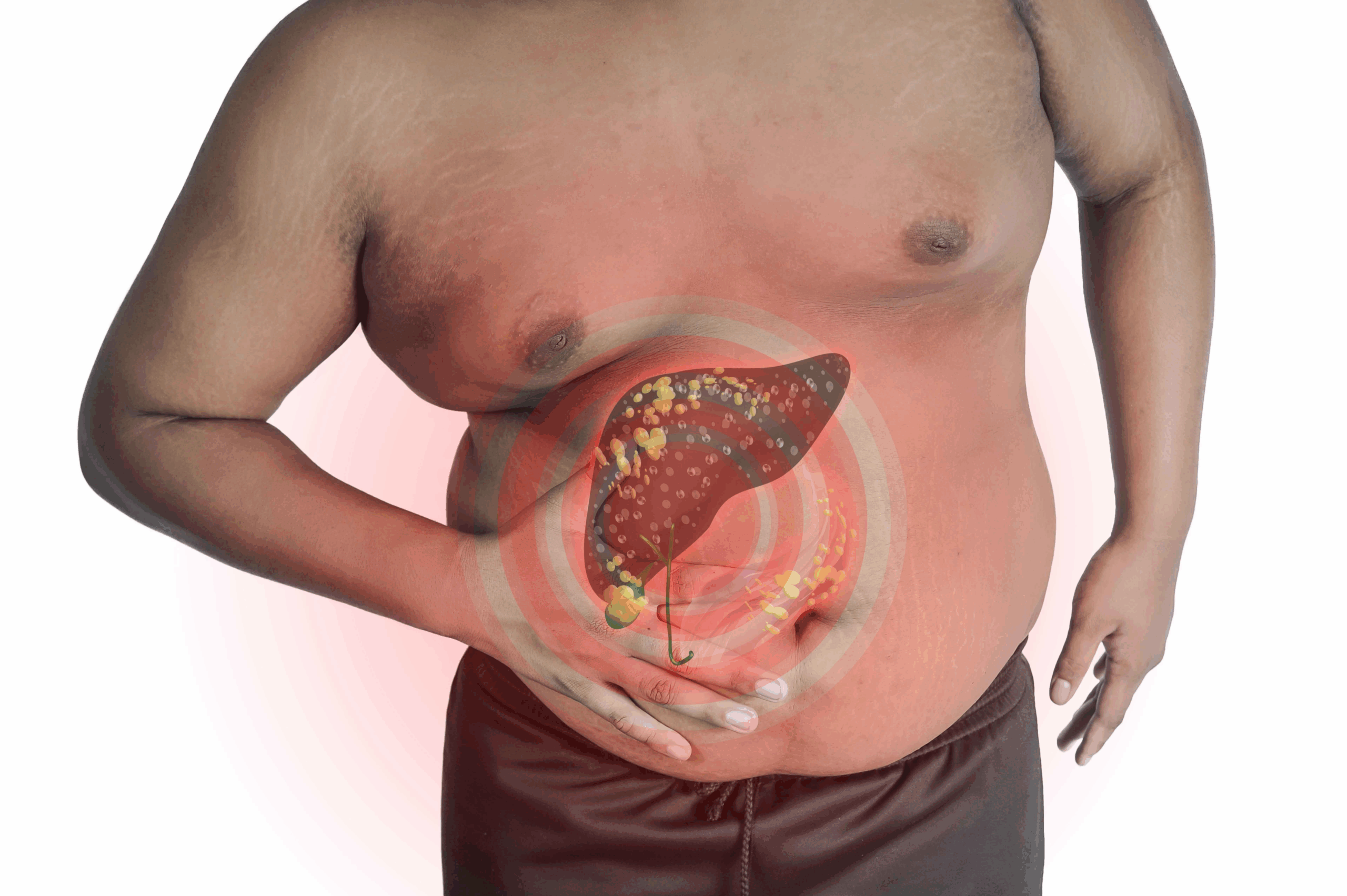
Doctors may use several methods to evaluate liver health, including:
Because fatty liver disease often produces few symptoms, routine health screenings can play an important role in early detection.
The encouraging news is that fatty liver disease can often be improved—and sometimes reversed—through lifestyle changes.
Experts commonly recommend:
Losing just 5% to 10% of body weight can significantly reduce liver fat and inflammation.
Aim for at least 150 minutes of moderate physical activity each week.
Focus on:
Reduce:
Alcohol can worsen liver damage and should be consumed cautiously or avoided entirely in people with liver disease.
Managing diabetes, cholesterol levels, and blood pressure can help protect liver health.
Fatty liver disease is often called a "silent" condition because symptoms may not appear until significant damage has occurred. Persistent fatigue, abdominal discomfort, brain fog, dark skin patches, jaundice, and unexplained changes in weight or body composition should not be ignored.
While these symptoms do not necessarily mean you have fatty liver disease, they may signal that your liver deserves attention. Early diagnosis and healthy lifestyle changes can make a substantial difference and help prevent more serious complications in the future.
Sources: American Liver Foundation, National Institute of Diabetes and Digestive and Kidney Diseases (NIDDK), Mayo Clinic, Cleveland Clinic.

8 Natural Tricks That Could Help Clear Your Sinuses and Ease Pressure Fast
Chronic Drooling During Sleep: 6 Possible Causes You Shouldn't Ignore

Passing Gas Too Often? Your Digestive System Could Be Trying to Tell You Something

Noticed a Green Ring Around Your Hard-Boiled Egg? Here's What It Could Mean 😳🥚
These 4 Everyday Beverages Could Be Putting Extra Stress on Your Kidneys
Watch for These 10 Warning Signs of Artery Blockage

The secret timing trick: 4 times a day when sweet potatoes work best for your body

These Common Hand Symptoms Deserve More Attention

A Simple Foot Check Could Reveal a Major Health Issue

The 3 Habits Doctors Wish More Young People Would Avoid

Your body sometimes sends warning signs while you sleep.

Small dietary changes can have a big impact over time.

Why Doctors Check the Feet of Heart Patients

What Happens If You Eat Raw Garlic Every Day?

What Happens When You Eat a Banana Before Anything Else? The Answer May Surprise You

Eggs and Longevity: What Studies Suggest About Eating Them Every Day
Scientists Explore Whether Certain Blood Types May Have a Lower Risk of Can.cer

8 Natural Tricks That Could Help Clear Your Sinuses and Ease Pressure Fast
Chronic Drooling During Sleep: 6 Possible Causes You Shouldn't Ignore
Passing Gas Too Often? Your Digestive System Could Be Trying to Tell You Something
Noticed a Green Ring Around Your Hard-Boiled Egg? Here's What It Could Mean 😳🥚
These 4 Everyday Beverages Could Be Putting Extra Stress on Your Kidneys
Watch for These 10 Warning Signs of Artery Blockage
The secret timing trick: 4 times a day when sweet potatoes work best for your body
These Common Hand Symptoms Deserve More Attention
A Simple Foot Check Could Reveal a Major Health Issue
The 3 Habits Doctors Wish More Young People Would Avoid

💍 Ring 1, 2, 3, 4, or 5? Tell us your choice below!
Your body sometimes sends warning signs while you sleep.
Small dietary changes can have a big impact over time.
Why Doctors Check the Feet of Heart Patients
What Happens If You Eat Raw Garlic Every Day?
What Happens When You Eat a Banana Before Anything Else? The Answer May Surprise You
Eggs and Longevity: What Studies Suggest About Eating Them Every Day