Chayote squash may not be the most famous vegetable in the produce aisle, but it has long been enjoyed in many parts of Latin America, Asia, and the Caribbean for its mild flavor and impressive nutritional profile. Also known as vegetable pear, mirliton, or choko, chayote is a versatile member of the squash family that can be eaten raw or cooked in a wide variety of dishes.
Despite its growing popularity, some online sources make exaggerated claims that chayote can cure chronic diseases or dramatically improve health. Current scientific evidence tells a more balanced story. Chayote is a nutrient-rich, low-calorie vegetable that can contribute to a healthy diet, but it is not a miracle food or a substitute for medical care.
Here are seven science-informed ways chayote squash may support your health when included as part of an overall balanced eating pattern.
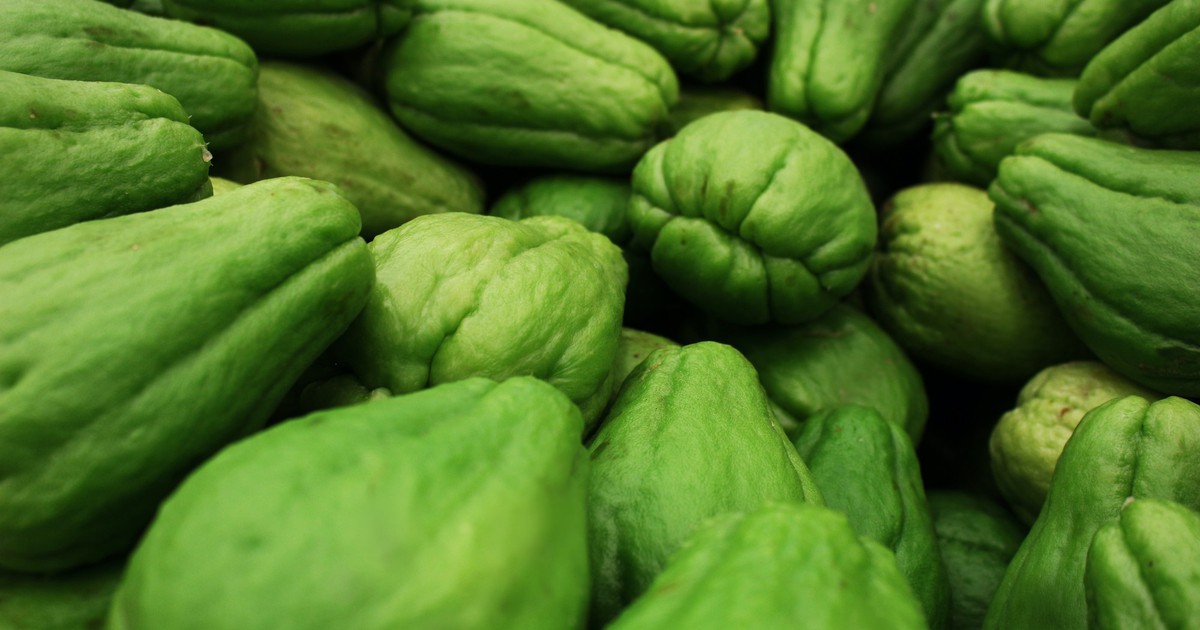
What Is Chayote Squash?
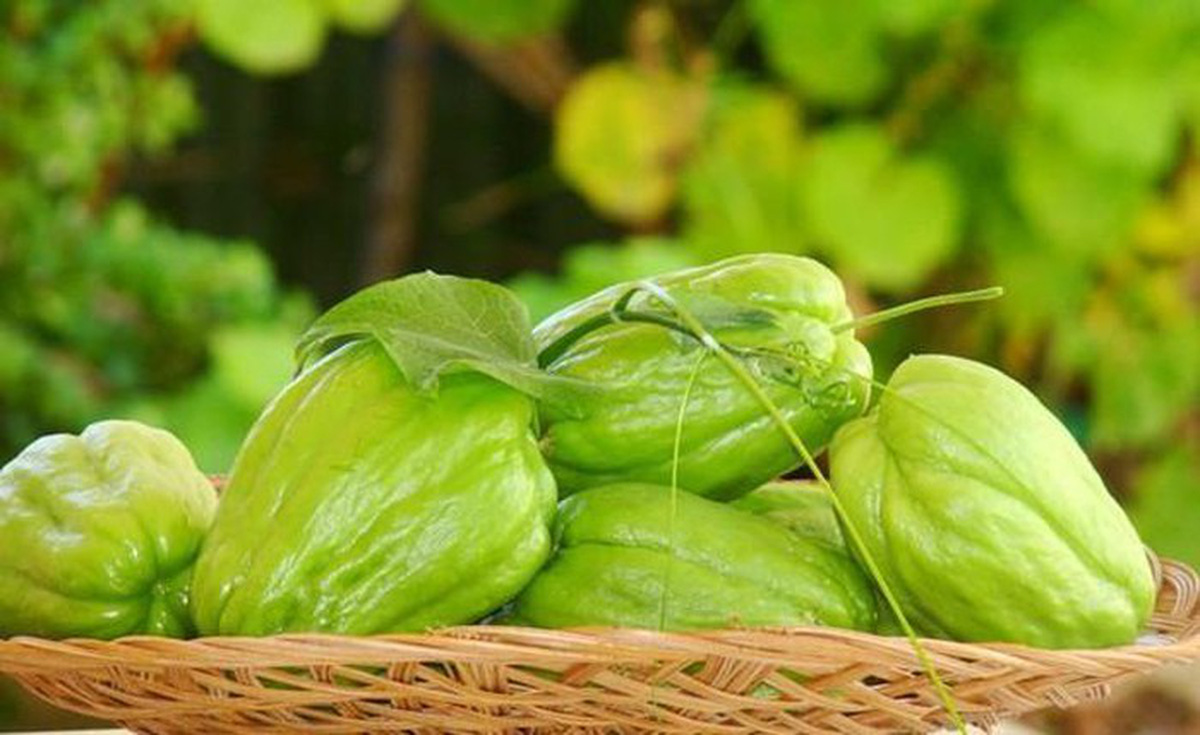
Chayote (Sechium edule) is a green, pear-shaped squash belonging to the Cucurbitaceae family, which also includes cucumbers, pumpkins, and zucchini.
Nearly every part of the plant is edible, including:
-
The fruit
-
Young shoots
-
Leaves
-
Seeds
-
Roots
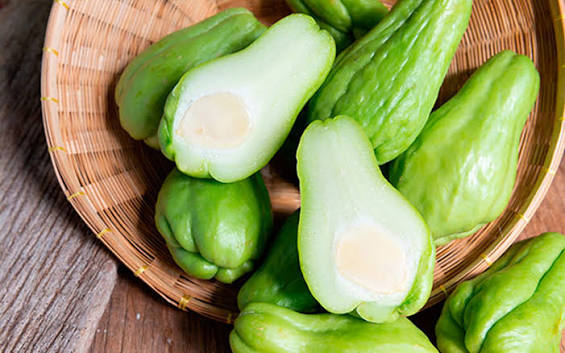
The fruit is the part most commonly consumed. It has crisp, pale green flesh with a mild flavor that works well in soups, salads, stir-fries, casseroles, and roasted vegetable dishes.
Nutritional Profile
Chayote is naturally:
-
Low in calories
-
Low in fat
-
High in water
-
A good source of fiber
-
Rich in vitamin C
-
A source of folate
-
Contains potassium
-
Provides small amounts of magnesium and vitamin K
It also contains a variety of plant compounds with antioxidant activity.
1. Supports Digestive Health
One of chayote's greatest nutritional strengths is its dietary fiber.
Fiber supports digestive health by:
-
Promoting regular bowel movements
-
Helping prevent constipation
-
Supporting beneficial gut bacteria
-
Contributing to overall colon health
A healthy gut microbiome has been associated with better immune function, improved digestion, and overall well-being.
Including fiber-rich vegetables like chayote alongside fruits, whole grains, legumes, and nuts can help most adults meet their daily fiber needs.
2. May Support Heart Health
Heart health depends on many factors, including diet, physical activity, blood pressure, cholesterol, and body weight.
Chayote may contribute to heart-healthy eating because it contains:
-
Potassium
-
Fiber
-
Vitamin C
-
Antioxidants
Potassium helps support normal blood pressure by balancing the effects of sodium in the body.
Meanwhile, fiber may help support healthy cholesterol levels when consumed as part of a balanced diet.
Rather than relying on one food, experts recommend eating a wide variety of vegetables every day.
3. Provides Antioxidants That Help Protect Cells
Chayote contains naturally occurring antioxidants, including:
-
Vitamin C
-
Flavonoids
-
Polyphenols
Antioxidants help protect cells from oxidative stress, which occurs when unstable molecules called free radicals damage cells.
Oxidative stress is a normal part of metabolism, but excessive oxidative stress has been associated with aging and several chronic diseases.
Eating a variety of colorful fruits and vegetables helps increase antioxidant intake.
4. May Help Support Healthy Blood Sugar Management
Because chayote is:
-
Low in calories
-
Low in carbohydrates
-
Rich in fiber
it may fit well into eating patterns designed to support healthy blood sugar management.
Fiber slows digestion and may help reduce rapid increases in blood sugar after meals.
However, chayote should not be considered a treatment for diabetes, and people with diabetes should continue following their healthcare provider's recommendations regarding medication, monitoring, and nutrition.
5. Supports Healthy Weight Management
Chayote is approximately 90–95% water, making it filling despite being relatively low in calories.
Replacing higher-calorie side dishes with vegetables like chayote may help increase meal volume while reducing overall calorie intake.
Weight management is generally most successful when based on:
-
Balanced meals
-
Regular physical activity
-
Portion awareness
-
Long-term healthy habits
No single vegetable causes weight loss, but nutrient-dense foods can make healthy eating easier.
6. A Good Source of Folate
Folate (vitamin B9) plays an essential role in:
-
DNA synthesis
-
Cell division
-
Red blood cell production
Adequate folate intake is especially important during pregnancy because it supports normal fetal neural tube development.
While chayote provides folate, pregnant individuals should continue taking prenatal supplements as recommended by their healthcare provider.
7. A Versatile Way to Increase Vegetable Intake
One of the biggest health benefits of chayote may simply be that it helps people eat more vegetables.
Its mild taste pairs well with many ingredients, making it easy to include in everyday meals.
Healthy preparation methods include:
-
Steaming
-
Stir-frying
-
Roasting
-
Boiling
-
Grilling
It can also be eaten raw in salads for a crisp texture.
Replacing refined, calorie-dense side dishes with vegetables like chayote may improve overall dietary quality.
Additional Nutritional Advantages
Besides the benefits already mentioned, chayote also offers:
High Water Content
Its high water content contributes to hydration and may help promote feelings of fullness.
Naturally Low in Sodium
Fresh chayote contains very little sodium, making it suitable for heart-healthy eating patterns that emphasize reducing excess salt.
Naturally Cholesterol-Free
Like other vegetables, chayote contains no cholesterol and very little saturated fat.
How to Add Chayote to Your Diet
If you've never tried chayote before, it's surprisingly easy to prepare.
Ideas include:
-
Add diced chayote to vegetable soup.
-
Stir-fry with garlic, onions, and mushrooms.
-
Roast with olive oil and herbs.
-
Slice thinly into salads.
-
Mix into vegetable curries.
-
Stuff and bake with beans and whole grains.
-
Blend into hearty stews.
Its mild flavor allows it to absorb herbs and spices well.
Common Myths About Chayote
Myth: Chayote cures diabetes.
Fact: Chayote can be part of a healthy eating pattern for people with diabetes, but it is not a cure and should not replace prescribed treatment.
Myth: Eating chayote prevents cancer.
Fact: Chayote contains antioxidants and other beneficial nutrients, but no single food has been proven to prevent cancer. Overall dietary patterns and lifestyle habits are far more important.
Myth: Chayote melts body fat.
Fact: Weight loss depends on maintaining a long-term calorie balance. Chayote may support weight management because it is low in calories and high in water and fiber, but it does not burn fat on its own.
Myth: Raw chayote is unhealthy.
Fact: Raw chayote is safe for most people and retains a crisp texture. As with all fresh produce, it should be washed thoroughly before eating.
Myth: Eating more chayote is always better.
Fact: Variety remains the key to good nutrition. No single vegetable provides every nutrient your body needs.
Who Should Be Cautious?
Chayote is generally considered safe for most people.
However:
-
People with allergies to squash or other members of the Cucurbitaceae family should use caution.
-
Individuals with kidney disease who need to limit potassium should discuss vegetable choices with their healthcare provider.
-
Anyone introducing large amounts of fiber should increase intake gradually and drink plenty of water to reduce digestive discomfort.
The Bottom Line
Chayote squash is a nutritious, low-calorie vegetable that can be a valuable addition to a balanced diet. It provides fiber, vitamin C, folate, potassium, and beneficial plant compounds, while being naturally low in fat and sodium. Regularly eating vegetables like chayote may support digestive health, heart health, healthy weight management, normal blood sugar control, and overall wellness as part of a varied eating pattern.
Although chayote offers many nutritional advantages, it should not be viewed as a miracle food or a treatment for chronic diseases. The greatest health benefits come from combining a variety of fruits, vegetables, whole grains, legumes, nuts, lean proteins, and healthy fats with regular physical activity, adequate sleep, and other healthy lifestyle habits. Over time, these consistent choices contribute far more to long-term health than any single food alone.