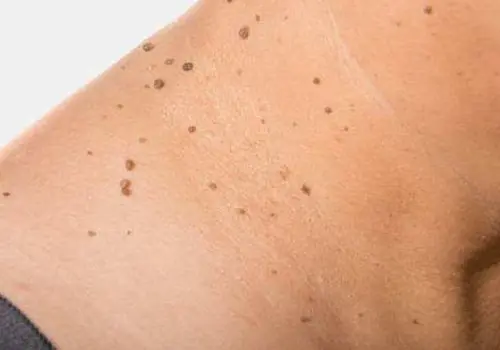
Noticing tiny bumps on your neck? Here’s what they could mean
Tiny bumps appearing on your neck? Here’s what to pay attention to
Health 06/05/2026 11:45
Oxygen is essential for every organ in the body. Your brain, muscles, heart, and lungs all rely on a steady supply of oxygen-rich blood to function properly. When oxygen levels drop below normal - a condition known as hypoxemia the body often sends warning signals.
Sometimes these symptoms are subtle and easy to overlook. Other times, they can become serious very quickly. Recognizing the early clues may help you seek medical attention before complications develop.

One of the most common signs of low oxygen levels is difficulty breathing.
You may notice:
This happens because the body tries to compensate for reduced oxygen by increasing breathing effort.

When tissues don’t receive enough oxygen, energy production drops.
This can lead to:
Low oxygen can make everyday tasks feel unexpectedly exhausting.

The brain is extremely sensitive to oxygen levels.
Reduced oxygen supply may trigger:
Some people also report difficulty concentrating or mental fog.
A bluish tint to the lips, nails, or fingertips may indicate that the blood is not carrying enough oxygen.
This symptom, known as cyanosis, can be a serious warning sign and should not be ignored.
When oxygen levels fall, the heart often works harder to circulate oxygen throughout the body.
You may experience:
This is the body’s attempt to compensate for reduced oxygen delivery.
The brain requires a constant oxygen supply to function properly.
Low oxygen levels may lead to:
In severe cases, oxygen deprivation can become dangerous very quickly.

Some people with low oxygen experience chest discomfort or pressure.
This may occur because:
Chest pain should always be taken seriously, especially if accompanied by breathing difficulty.
Low oxygen levels may become more noticeable during sleep.
Signs include:
These symptoms are commonly associated with sleep apnea, which can significantly affect oxygen levels overnight.
There are many possible causes, including:
Even anxiety or shallow breathing patterns can sometimes contribute to feelings of breathlessness.
Seek medical evaluation if symptoms:
Doctors can quickly measure oxygen levels using a pulse oximeter or blood tests.
Healthy habits that support oxygen delivery include:
If you have underlying conditions, following medical advice is especially important.

Low oxygen levels can affect nearly every part of the body, and the warning signs are often subtle at first. Symptoms like fatigue, dizziness, shortness of breath, or bluish lips should never be ignored - especially when they occur together.
The good news is that early awareness can make a big difference. Paying attention to these clues and seeking medical guidance when necessary may help prevent more serious complications later on.
Tiny bumps appearing on your neck? Here’s what to pay attention to
3 Easy and Natural Ways to Calm Acid Reflux Fast
Lung can.cer in people who never smoked is becoming more common
Physalis Fruit: A Little Berry with Big, Miraculous Benefits ✨
If Your Veins Are Showing, It Might Be a Hidden Health Signal

Potatoes can be delicious, but they’re not recommended for everybody
Before the Diagnosis, There Are Clues: Early Breast Cancer Warning Signs You Shouldn’t Ignore

Grinding Your Teeth While You Sleep? Here’s Why You Should Pay Attention

Eat Macadamia Nuts Every Day — Here’s What It Does to Your Body 😲
You Might Have This and Not Even Know It… Doctors Explain
Why you wake up with a dry mouth and what it could mean for your health?

The leaf of life – a powerful medicinal plant you might already have at home
Say Goodbye to Swollen Legs—Start With These 5 Nutrients Today

He Drank Lemon Water Every Day for 2 Years… What Happened Next Is Shocking

Doctors Explain the Surprising Benefits of Eating Beets — See Details Below
Showering at certain times after 70 may carry risks – what experts recommend
Sweating at night more often than usual? It could be a sign from your body…
If you often urinate at night, it could indicate a health issue...
Finding brui.ses you can’t explain? Here’s what they might reveal about your health

If your dog keeps climbing into your bed, here’s what it might actually mean

4 plants that can make snakes more likely to appear around your home
Tiny bumps appearing on your neck? Here’s what to pay attention to
3 Easy and Natural Ways to Calm Acid Reflux Fast

You Love Spinach—But What Happens If You Eat Too Much? 😲

In His Own Little World: How a Toy Helped a Baby Macaque Heal
Lung can.cer in people who never smoked is becoming more common
Physalis Fruit: A Little Berry with Big, Miraculous Benefits ✨
If Your Veins Are Showing, It Might Be a Hidden Health Signal
Potatoes can be delicious, but they’re not recommended for everybody

Which drink would you give up forever? Your answer may reveal your true personality
Before the Diagnosis, There Are Clues: Early Breast Cancer Warning Signs You Shouldn’t Ignore

The surprising reason a deceased person should not be left alone
Grinding Your Teeth While You Sleep? Here’s Why You Should Pay Attention

Improperly Eating Cabbage May Trigger Unexpected Health Problems
Eat Macadamia Nuts Every Day — Here’s What It Does to Your Body 😲
You Might Have This and Not Even Know It… Doctors Explain
Why you wake up with a dry mouth and what it could mean for your health?
7 natural scents that may help keep snakes away from your home