Stomach cancer, also known as gastric cancer, is one of the most common cancers worldwide. Although its incidence has declined in many countries over the past several decades, it remains a significant health concern because early-stage stomach cancer often causes few or no symptoms.
When symptoms do appear, they are frequently mild and can easily be mistaken for common digestive problems such as indigestion, acid reflux, gastritis, or stomach ulcers. As a result, many people delay seeking medical attention until the disease has progressed.
The good news is that early detection can significantly improve treatment options and outcomes. While the symptoms discussed below do not automatically mean you have stomach cancer, persistent or unexplained digestive symptoms should never be ignored—especially if they continue for several weeks or become progressively worse.
Here are 8 common early symptoms that may be associated with stomach cancer and deserve medical evaluation if they persist.
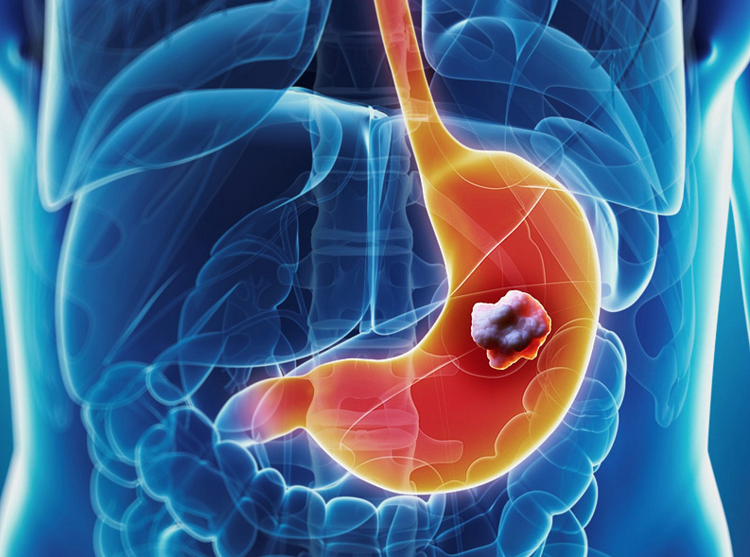
1. Persistent Indigestion or Heartburn
Many people experience occasional indigestion after eating a large meal or consuming spicy or fatty foods.
Common symptoms include:
-
Burning in the upper abdomen
-
Heartburn
-
Acid reflux
-
Feeling overly full after eating
-
Mild stomach discomfort
Most of the time, these symptoms are caused by common conditions such as:
-
Gastroesophageal reflux disease (GERD)
-
Gastritis
-
Peptic ulcers
-
Food intolerance
However, indigestion that persists for several weeks, continues despite treatment, or becomes progressively worse should be evaluated.
Stomach cancer can sometimes irritate the stomach lining or interfere with normal digestion, leading to ongoing upper abdominal discomfort.
2. Feeling Full After Eating Very Little
One of the more subtle warning signs is early satiety, meaning you feel full after eating only a small amount of food.
For example, you may notice that:
-
You cannot finish meals you previously enjoyed.
-
You lose interest in eating halfway through a meal.
-
Even a small snack makes you feel overly full.
This symptom can occur because a tumor may interfere with the stomach's ability to expand normally or slow the movement of food through the digestive tract.
Of course, early satiety can also occur with:
-
Gastritis
-
Stomach ulcers
-
Functional digestive disorders
-
Certain medications
Nevertheless, persistent early satiety deserves medical attention.
3. Persistent Upper Abdominal Pain or Discomfort
Many people with early stomach cancer describe vague discomfort rather than severe pain.
Symptoms may include:
-
Dull aching
-
Pressure
-
Burning
-
Mild pain in the upper abdomen
-
Persistent discomfort after meals
Unlike temporary stomach upset, the discomfort often continues for weeks or gradually worsens.
However, upper abdominal pain has many possible causes, including:
-
Acid reflux
-
Gallbladder disease
-
Pancreatitis
-
Irritable bowel syndrome
-
Gastritis
-
Peptic ulcers
Because symptoms overlap, proper evaluation is important.
4. Unexplained Weight Loss
Losing weight without intentionally dieting or increasing physical activity can be an important warning sign of several medical conditions.
Cancer may contribute to weight loss through several mechanisms, including:
-
Reduced appetite
-
Difficulty eating
-
Changes in metabolism
-
Chronic inflammation
Healthcare professionals generally recommend evaluation if someone loses more than 5% of their body weight within six to twelve months without trying.
Many non-cancerous conditions, such as hyperthyroidism, diabetes, depression, and chronic infections, can also cause unexpected weight loss.
5. Loss of Appetite
Many people notice a gradual loss of interest in food before receiving a diagnosis of stomach cancer.
You may find yourself:
-
Skipping meals
-
Feeling nauseated when thinking about food
-
No longer enjoying favorite foods
-
Eating much less than usual
Loss of appetite may occur because of many conditions, including:
-
Viral infections
-
Depression
-
Medication side effects
-
Liver disease
-
Chronic digestive disorders
If poor appetite lasts for several weeks and is accompanied by weight loss or other digestive symptoms, medical evaluation is appropriate.

6. Nausea or Vomiting
Occasional nausea after eating spoiled food or during a viral illness is common.
Persistent nausea, however, should not be ignored.
Some people with stomach cancer experience:
-
Frequent nausea
-
Vomiting after meals
-
Difficulty keeping food down
If a tumor narrows part of the stomach or obstructs the passage of food into the small intestine, vomiting may become more frequent.
Seek prompt medical attention if vomiting is accompanied by:
-
Severe abdominal pain
-
Dehydration
-
Blood
-
Inability to eat or drink
7. Blood in the Stool or Black, Tarry Stools
Bleeding within the stomach may not always be obvious.
Sometimes blood is partially digested before leaving the body, causing stools to appear:
-
Black
-
Tarry
-
Sticky
This is known as melena and can indicate bleeding somewhere in the upper digestive tract.
Visible blood may also appear during vomiting in some cases.
However, black stools can also result from:
-
Iron supplements
-
Certain medications
-
Peptic ulcers
Any unexplained black stools or vomiting blood requires immediate medical evaluation.
8. Persistent Fatigue or Weakness
Fatigue is one of the most common medical symptoms and has many possible causes.
With stomach cancer, fatigue may develop because of:
-
Chronic blood loss
-
Iron-deficiency anemia
-
Reduced nutritional intake
-
The body's inflammatory response
Symptoms of anemia may include:
-
Weakness
-
Dizziness
-
Shortness of breath during activity
-
Pale skin
-
Difficulty concentrating
Persistent fatigue that doesn't improve with rest should be discussed with a healthcare provider.
Why Are Early Symptoms Often Missed?
One reason stomach cancer is frequently diagnosed at a later stage is that the early symptoms often resemble common digestive problems.
Many people assume they simply have:
-
Acid reflux
-
Gastritis
-
Indigestion
-
Food intolerance
-
Stress-related stomach upset
While these explanations are usually correct, symptoms that persist despite treatment or continue getting worse deserve further evaluation.
Who Is at Higher Risk?
Several factors may increase the risk of stomach cancer, including:
Older Age
Risk increases with age, particularly after age 50.
Helicobacter pylori (H. pylori) Infection
Long-term infection with H. pylori is one of the strongest known risk factors for non-cardia stomach cancer.
Fortunately, H. pylori can often be diagnosed and treated with antibiotics.
Smoking
Smoking significantly increases the risk of several cancers, including stomach cancer.
Family History
Having a close relative with stomach cancer may increase risk.
Certain Inherited Conditions
Some inherited genetic syndromes can increase stomach cancer risk, although they are relatively uncommon.
Diet
A diet consistently high in heavily salted, smoked, or processed foods and low in fruits and vegetables may contribute to increased risk in some populations.
Symptoms That Require Prompt Medical Attention
Seek urgent medical care if you experience:
-
Vomiting blood
-
Black, tarry stools
-
Severe abdominal pain
-
Inability to swallow
-
Persistent vomiting
-
Significant unexplained weight loss
-
Severe weakness or fainting
These symptoms may indicate serious digestive conditions requiring immediate treatment.
How Is Stomach Cancer Diagnosed?
If stomach cancer is suspected, your healthcare provider may recommend several tests.
Upper Endoscopy (Gastroscopy)
A flexible camera is passed through the mouth to examine the esophagus and stomach.
If abnormal tissue is seen, a biopsy can be performed during the procedure.
This is the most important test for diagnosing stomach cancer.
Biopsy
A small tissue sample is examined under a microscope to determine whether cancer cells are present.
Imaging Tests
CT scans and other imaging studies may help determine whether cancer has spread.
Blood Tests
Blood tests cannot diagnose stomach cancer but may identify anemia or evaluate overall health.
Can Stomach Cancer Be Prevented?
There is no guaranteed way to prevent stomach cancer, but several lifestyle habits may reduce risk.
Avoid Smoking
Smoking damages many organs and increases the risk of numerous cancers.
Eat a Balanced Diet
Choose plenty of:
-
Fruits
-
Vegetables
-
Whole grains
-
Legumes
Limit heavily processed and highly salted foods when possible.
Maintain a Healthy Weight
Excess body weight has been linked to several cancers.
Treat H. pylori Infection
If testing confirms H. pylori infection, appropriate treatment may reduce the risk of future stomach problems.
Limit Alcohol
Heavy alcohol use has been associated with several cancers affecting the digestive system.
Common Myths About Stomach Cancer
Myth 1: Stomach Cancer Always Causes Severe Pain
In reality, early stomach cancer may cause only mild discomfort—or no symptoms at all.
Myth 2: If Antacids Help, It Can't Be Cancer
Temporary improvement with antacids doesn't rule out serious disease.
Persistent symptoms still deserve evaluation.
Myth 3: Only Older Men Develop Stomach Cancer
Although risk increases with age and is generally higher in men, stomach cancer can occur in women and younger adults as well.
When Should You See a Doctor?
Make an appointment if you experience digestive symptoms that:
-
Last longer than two to three weeks
-
Continue getting worse
-
Return repeatedly
-
Interfere with eating
-
Cause unexplained weight loss
Early evaluation doesn't necessarily mean cancer will be found—but it can identify many other treatable digestive conditions as well.
Healthy Habits for Better Stomach Health
Simple lifestyle choices can support digestive health, including:
-
Eating a variety of fruits and vegetables
-
Choosing whole grains
-
Limiting processed meats
-
Avoiding tobacco
-
Drinking alcohol in moderation, if at all
-
Maintaining a healthy weight
-
Staying physically active
-
Seeking treatment for persistent digestive symptoms rather than self-medicating indefinitely

The Bottom Line
Early stomach cancer often produces symptoms that are easy to overlook because they resemble common digestive disorders.
Persistent indigestion, feeling full quickly, upper abdominal discomfort, unexplained weight loss, loss of appetite, ongoing nausea, black stools, and unexplained fatigue are among the symptoms that may warrant medical evaluation—especially if they last for several weeks or continue to worsen.
Most people with these symptoms do not have stomach cancer, but persistent digestive changes should not be ignored.
Final Thoughts
Your digestive system occasionally reacts to stress, dietary changes, or minor illnesses, and temporary symptoms are common. However, when symptoms become persistent, unexplained, or progressively worse, they deserve attention.
Rather than trying to diagnose yourself, talk with a healthcare professional if you notice lasting changes in your digestion or overall health. Conditions such as gastritis, ulcers, H. pylori infection, and stomach cancer can all produce similar symptoms, and the only way to determine the cause is through appropriate medical evaluation.
Paying attention to early warning signs, seeking timely medical care, and following recommended diagnostic testing can make a meaningful difference—especially because stomach cancer is often more treatable when detected at an earlier stage.