8 Early Warning Signs of Ovarian Cancer That Many Women Ignore
Ovarian cancer is often called a “silent threat” because its early symptoms are subtle, vague, and easily mistaken for common digestive or hormonal issues. Unlike some other cancers, ovarian cancer does not have a reliable routine screening test for the general population, making early awareness critically important.
Many women dismiss the warning signs for months — or even years — until the disease reaches an advanced stage. Understanding these signals can help lead to earlier diagnosis and significantly improve outcomes.
Here are eight early warning signs of ovarian cancer that women should never ignore.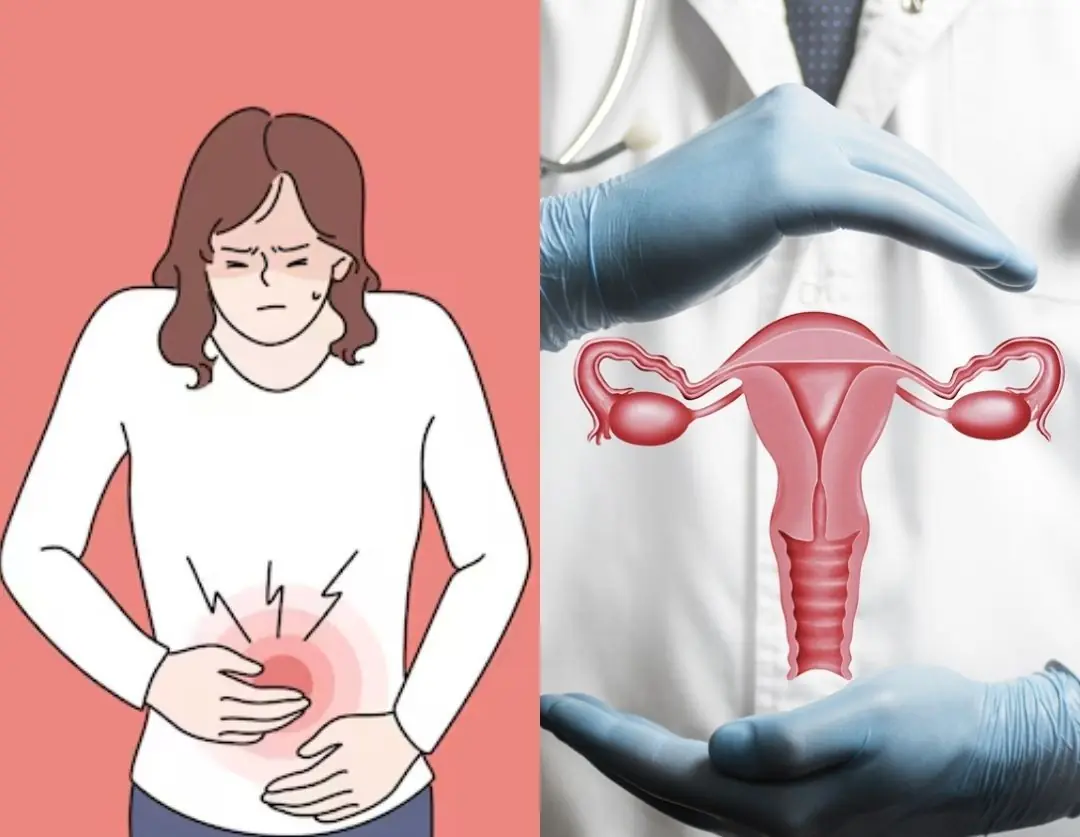
1. Persistent Abdominal Bloating
Occasional bloating is common, but frequent or constant bloating that does not improve may signal something more serious.
Warning signs include:
-
A swollen or tight abdomen
-
Bloating that worsens over time
-
Clothes feeling suddenly tighter around the waist
This bloating is often caused by fluid buildup or tumor growth in the abdominal area.
2. Pelvic or Lower Abdominal Pain
Ongoing discomfort or pain in the pelvis or lower abdomen should not be normalized.
This pain may:
-
Feel dull or sharp
-
Come and go at first
-
Be mistaken for menstrual cramps or digestive discomfort
Pain that persists for weeks deserves medical evaluation.
3. Feeling Full Quickly or Loss of Appetite
A sudden change in eating habits can be an early red flag. Many women with ovarian cancer report:
-
Feeling full after eating very small amounts
-
Loss of appetite
-
Unexplained weight changes
This can occur when tumors press against the stomach or intestines.\

4. Frequent or Urgent Urination
Ovarian tumors can put pressure on the bladder, leading to urinary symptoms such as:
-
Increased urgency
-
Frequent trips to the bathroom
-
Difficulty fully emptying the bladder
These symptoms are often mistaken for urinary tract infections or aging-related bladder changes.
5. Changes in Bowel Habits
Subtle digestive changes may be overlooked but can be significant.
These include:
-
Constipation or diarrhea
-
Feeling of incomplete bowel movements
-
Increased gas or discomfort
When these changes persist without a clear dietary cause, further investigation is needed.
6. Unexplained Fatigue
Persistent fatigue that does not improve with rest can be an early sign of many serious conditions, including cancer.
Women may experience:
-
Low energy throughout the day
-
Difficulty concentrating
-
Feeling exhausted after minimal activity
This fatigue is often misattributed to stress, work, or hormonal changes.
7. Menstrual Changes or Abnormal Bleeding
Although less common, some women notice:
-
Heavier or irregular periods
-
Bleeding between cycles
-
Bleeding after menopause
Any unusual vaginal bleeding should always be evaluated by a healthcare professional.
8. Back Pain or Pain During Intercourse
Lower back pain or discomfort during intimacy can occur when pelvic structures are affected.
This symptom may:
-
Be persistent
-
Worsen over time
-
Be dismissed as muscle strain or posture-related pain
Combined with other symptoms, it may indicate an underlying pelvic condition.
Why These Symptoms Are Often Ignored
One of the greatest challenges with ovarian cancer is that early symptoms mimic everyday health issues such as indigestion, PMS, or stress.
Because the signs are not dramatic at first, many women delay seeking care — allowing the disease to progress quietly.
When to See a Doctor
Medical professionals recommend seeking evaluation if symptoms:
-
Occur almost daily
-
Persist for more than two to three weeks
-
Represent a clear change from what is normal for you
Early assessment may include physical exams, imaging tests, and blood work.
The Importance of Early Detection
When ovarian cancer is detected early, treatment options are more effective and survival rates improve significantly. Awareness is one of the strongest tools women have in protecting their health.
Listening to the body — and trusting when something feels “off” — can save lives.
The Takeaway
Ovarian cancer rarely announces itself loudly. Instead, it whispers through persistent bloating, subtle pain, digestive changes, and unexplained fatigue.
Ignoring these signs does not make them disappear. Recognizing them early gives women the chance to act — before it’s too late.
Your body speaks. It’s worth listening.