Strong bones are essential for supporting movement, protecting vital organs, and storing important minerals like calcium and phosphorus. While many people focus on getting enough calcium, bone health depends on much more than a single nutrient. Vitamin D, protein, magnesium, vitamin K, regular exercise, hormones, and overall dietary patterns all play important roles.
You may have seen claims that certain foods "steal calcium from your bones" or "cause osteoporosis." In reality, no single food directly removes calcium from your bones. However, consuming some foods or beverages in excessive amounts may affect calcium balance, reduce the absorption of certain nutrients, or contribute to dietary patterns that are less supportive of long-term bone health.
Let's explore eight foods and dietary habits that may influence bone health when consumed in excess—and how to enjoy them as part of a balanced diet.
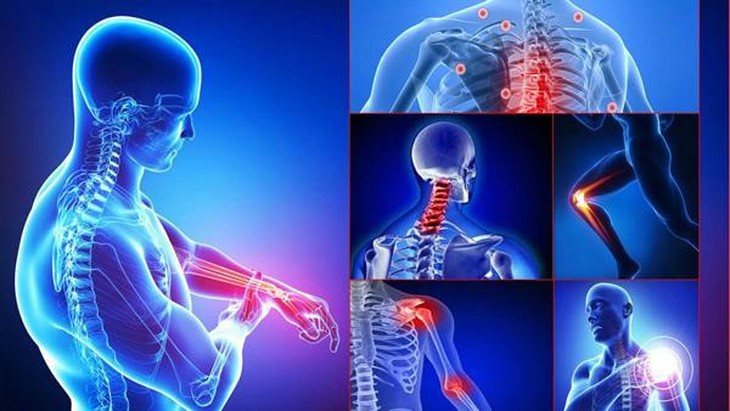
What Keeps Bones Healthy?
Bone is living tissue that is constantly being broken down and rebuilt through a process called bone remodeling.
To maintain strong bones, your body relies on:
-
Calcium
-
Vitamin D
-
Protein
-
Magnesium
-
Phosphorus
-
Vitamin K
-
Regular weight-bearing exercise
-
Hormonal balance
Poor nutrition over many years—not one particular food—is what most often contributes to weaker bones.
1. Foods High in Added Sodium
Examples include:
-
Processed meats
-
Instant noodles
-
Potato chips
-
Fast food
-
Canned soups
-
Frozen meals
Why It Matters
A diet consistently high in sodium can increase the amount of calcium excreted in urine.
For most healthy people, the body compensates for this effect, especially when calcium intake is adequate. However, chronically high sodium intake combined with insufficient calcium may not be ideal for bone health, particularly in older adults.
Better Choices
Choose fresh foods more often and flavor meals with herbs, spices, garlic, or lemon instead of relying heavily on salt.
2. Sugar-Sweetened Soft Drinks
Regular soft drinks often contain:
-
Large amounts of added sugar
-
Little or no calcium
-
Few essential nutrients
Some cola beverages also contain phosphoric acid, which has been studied for its possible relationship with bone health.
What the Evidence Says
Current research suggests that the concern may be less about phosphoric acid itself and more about displacement. People who frequently drink sugary soft drinks may consume fewer nutrient-rich beverages, such as milk or fortified alternatives, reducing their intake of calcium and vitamin D.
Replacing water or milk with sugary drinks over many years may contribute to poorer overall dietary quality.
3. Alcohol
Moderate alcohol consumption may fit into some healthy lifestyles, but excessive drinking can negatively affect many body systems, including bones.
Potential Effects
Heavy alcohol intake may:
-
Reduce bone formation
-
Increase fracture risk
-
Interfere with vitamin D metabolism
-
Affect calcium balance
-
Increase the risk of falls
Limiting alcohol according to public health recommendations supports both bone and overall health.
4. Highly Processed Foods
Examples include:
-
Packaged snack foods
-
Fast food
-
Processed desserts
-
Sugary pastries
These foods are often high in:
-
Added sugars
-
Sodium
-
Saturated fats
while being relatively low in nutrients important for bone health.
A diet centered on highly processed foods may crowd out nutrient-dense choices such as vegetables, dairy products, legumes, nuts, and fish.
5. Excessive Caffeine
Coffee and tea can be part of a healthy diet for most adults.
However, very high caffeine intake may slightly increase calcium loss in urine.
Should You Stop Drinking Coffee?
For most healthy adults, moderate caffeine intake is unlikely to harm bone health if calcium intake is adequate.
Individuals with osteoporosis or those who consume very little calcium may wish to discuss caffeine intake with their healthcare provider.
6. Foods High in Added Sugar
Examples include:
-
Candy
-
Sweet baked goods
-
Sweetened cereals
-
Ice cream
-
Sugary beverages
While sugar itself does not directly remove calcium from bones, diets high in added sugars are often lower in nutrient-rich foods that support bone health.
Eating more whole foods instead of highly processed sweets can improve overall nutrient intake.
7. Excessive Bran or Fiber Supplements
Whole grains and dietary fiber are important components of a healthy diet.
However, consuming very large amounts of wheat bran or certain fiber supplements at the same time as calcium-rich meals may temporarily reduce calcium absorption because compounds such as phytates can bind to minerals.
Practical Tip
There is no need to avoid whole grains. Instead:
-
Eat a varied diet.
-
Spread fiber supplements and calcium supplements throughout the day if advised by your healthcare provider.
For most people eating a balanced diet, this is not a significant concern.
8. Foods Very High in Oxalates
Certain vegetables naturally contain oxalates, including:
-
Spinach
-
Beet greens
-
Swiss chard
Oxalates can bind to calcium in the digestive tract, reducing the absorption of calcium from those specific foods.
Does This Mean You Should Avoid Spinach?
No.
Spinach is rich in many beneficial nutrients.
It simply is not the best source of absorbable calcium despite containing calcium on paper.
Eating a variety of vegetables—including lower-oxalate options such as kale, bok choy, and broccoli—helps ensure a balanced intake of nutrients.
Foods That Help Support Strong Bones
Rather than focusing only on foods to limit, it's even more important to include foods that support bone health.
Examples include:
Dairy Products
-
Milk
-
Yogurt
-
Cheese
These provide calcium and protein.
Fortified Plant-Based Alternatives
Many fortified soy, almond, and oat beverages provide calcium and vitamin D.
Always check the nutrition label.
Fatty Fish
Examples include:
-
Salmon
-
Sardines
-
Mackerel
These provide vitamin D and, when eaten with soft edible bones (such as canned sardines), additional calcium.
Leafy Green Vegetables
Lower-oxalate greens include:
-
Kale
-
Bok choy
-
Collard greens
These provide vitamin K and other nutrients important for bone health.
Nuts and Seeds
Examples include:
-
Almonds
-
Sesame seeds
-
Chia seeds
They contribute magnesium, healthy fats, and other minerals.
Beans and Lentils
These foods provide:
-
Protein
-
Magnesium
-
Phosphorus
which support bone remodeling.
Lifestyle Habits Matter More Than Any One Food
Research consistently shows that bone health depends on long-term habits.
Helpful strategies include:
-
Eat enough calcium through food or supplements if recommended.
-
Get adequate vitamin D from safe sun exposure, fortified foods, or supplements when necessary.
-
Perform weight-bearing and resistance exercises regularly.
-
Avoid smoking.
-
Maintain a healthy body weight.
-
Limit excessive alcohol.
-
Reduce unnecessary excess sodium and added sugars.
-
Stay physically active throughout life.
Common Myths About Bone Health
Myth 1: One Food Can Cause Osteoporosis
False.
Osteoporosis develops due to multiple factors, including aging, genetics, hormones, physical activity, medications, and overall nutrition—not one specific food.
Myth 2: You Only Need Calcium
False.
Healthy bones also require vitamin D, protein, magnesium, phosphorus, vitamin K, and regular exercise.
Myth 3: Coffee Is Bad for Your Bones
Not necessarily.
Moderate coffee consumption is generally considered compatible with good bone health, particularly when calcium intake is adequate.
Myth 4: Spinach Is the Best Source of Calcium
Not exactly.
Although spinach contains calcium, much of it is bound to oxalates, making it less absorbable than the calcium found in dairy products or lower-oxalate leafy greens.
Frequently Asked Questions
Should I completely avoid these foods?
No. Most of these foods can be enjoyed in moderation. The key is maintaining an overall balanced diet rich in nutrients that support bone health.
How much calcium do adults need?
Calcium needs vary by age and sex. Many adults require approximately 1,000–1,200 mg per day, while vitamin D recommendations also vary. Your healthcare provider can help determine what is appropriate for you.
Is exercise important for bone health?
Yes. Weight-bearing activities such as walking, dancing, hiking, stair climbing, and resistance training help stimulate bone remodeling and maintain bone strength.
Can supplements replace a healthy diet?
Supplements may be appropriate for some individuals with low dietary intake or specific medical conditions, but they should not replace a varied, nutrient-rich eating pattern unless recommended by a healthcare professional.

Final Thoughts
There is no single food that quietly drains calcium from your body or guarantees weak bones. Instead, bone health reflects the combined effects of your diet, physical activity, age, hormones, medical conditions, and lifestyle over many years. Foods high in sodium, added sugars, alcohol, and highly processed ingredients - as well as excessive caffeine or certain dietary patterns may contribute to poorer bone health when consumed in excess, particularly if they replace nutrient-rich foods.
The best approach is not to fear individual foods but to focus on a balanced eating pattern that includes plenty of calcium-rich foods, adequate vitamin D, sufficient protein, fruits, vegetables, whole grains, and regular weight-bearing exercise. These habits provide the strongest foundation for maintaining healthy bones throughout life.