Cancer is one of the leading causes of illness worldwide, and while no single food can prevent or cure it, research consistently shows that a healthy dietary pattern plays an important role in supporting long-term health. According to organizations such as the World Health Organization (WHO) and the American Institute for Cancer Research (AICR), eating a diet rich in vegetables, fruits, whole grains, legumes, and other plant-based foods may help reduce the risk of several types of cancer when combined with other healthy lifestyle habits.
It's important to understand that there is no "superfood" that can kill cancer cells or guarantee protection against cancer. Instead, the greatest benefits come from consistently eating a wide variety of nutrient-rich foods that provide fiber, vitamins, minerals, antioxidants, and beneficial plant compounds.
Here are eight healthy foods that can be part of a balanced, cancer-preventive eating pattern.
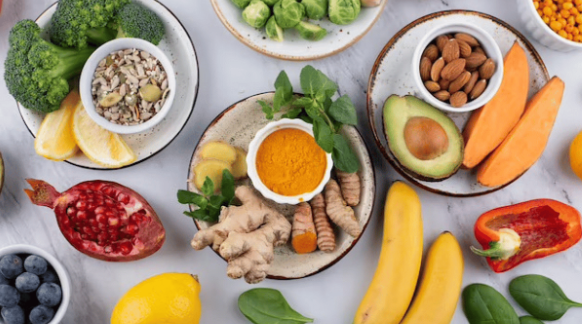
1. Broccoli and Other Cruciferous Vegetables
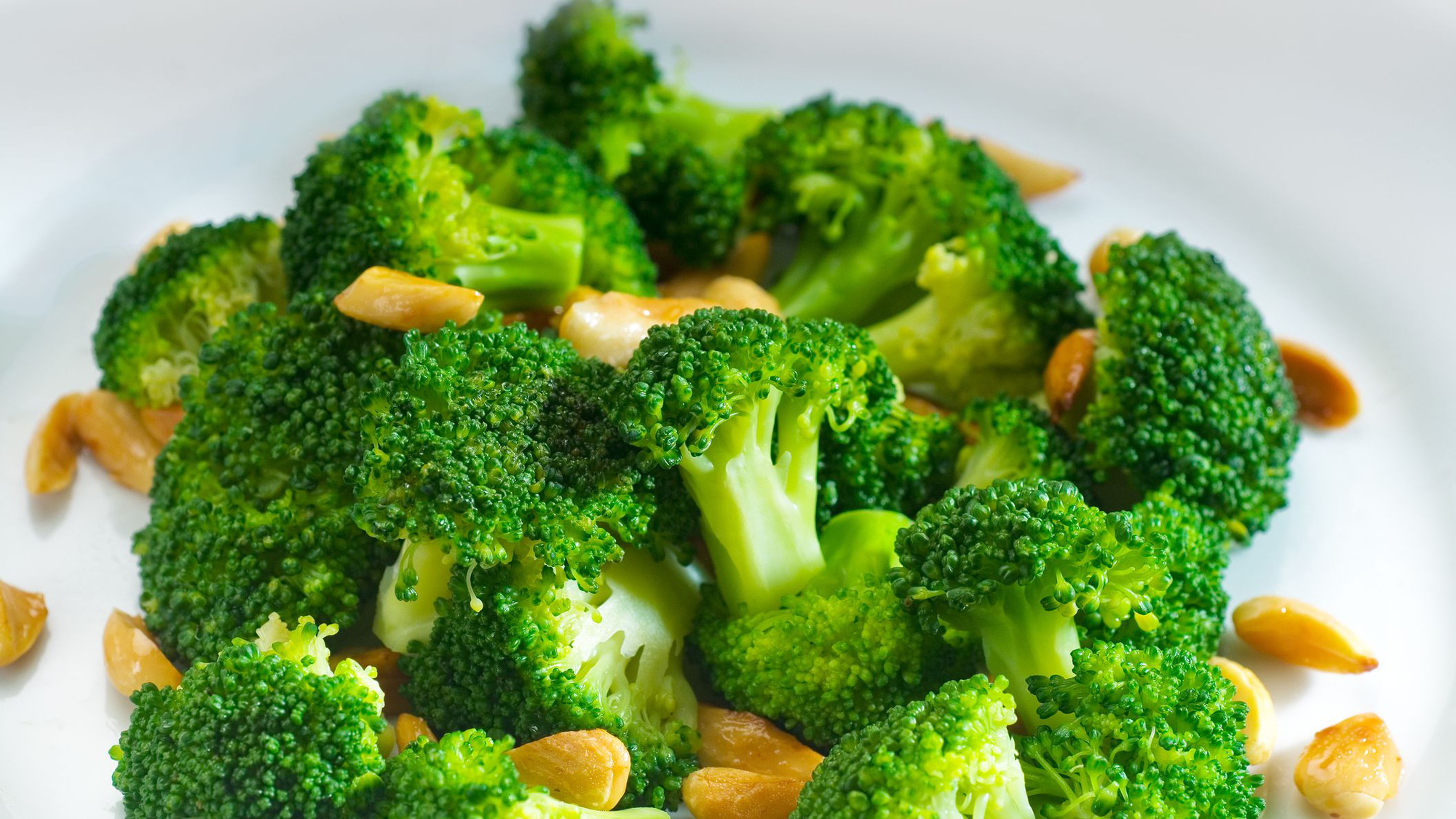
Broccoli belongs to the cruciferous vegetable family, which also includes:
-
Cauliflower
-
Brussels sprouts
-
Cabbage
-
Kale
-
Bok choy
These vegetables contain natural compounds called glucosinolates, which are converted into biologically active substances such as sulforaphane when the vegetables are chopped or chewed.
Researchers continue to study these compounds for their potential role in supporting normal cellular function and protecting cells from oxidative stress.
Cruciferous vegetables are also excellent sources of:
-
Vitamin C
-
Vitamin K
-
Folate
-
Fiber
Aim to include a variety of these vegetables in your meals throughout the week.
2. Berries
Blueberries, strawberries, raspberries, and blackberries are packed with nutrients.
They provide:
-
Vitamin C
-
Fiber
-
Anthocyanins
-
Polyphenols
-
Other antioxidants
These plant compounds help protect cells from oxidative stress and contribute to overall health.
Fresh or frozen berries make nutritious additions to:
-
Yogurt
-
Oatmeal
-
Smoothies
-
Salads
3. Tomatoes
Tomatoes are rich in lycopene, the antioxidant responsible for their bright red color.
Lycopene has been studied for its potential health benefits, particularly in relation to heart health and certain cancers. However, more research is needed to fully understand these associations.
Tomatoes also provide:
-
Vitamin C
-
Potassium
-
Vitamin A
-
Fiber
Cooked tomato products such as tomato sauce may provide lycopene in a form that is more easily absorbed by the body.
4. Beans and Lentils
Legumes are among the healthiest sources of plant protein.
They contain:
-
Fiber
-
Protein
-
Iron
-
Magnesium
-
Folate
-
Potassium
High-fiber diets have been associated with a lower risk of colorectal cancer in numerous studies.
Beans and lentils also promote fullness, making them helpful for maintaining a healthy body weight.
Examples include:
-
Black beans
-
Kidney beans
-
Chickpeas
-
Lentils
-
Pinto beans
5. Garlic and Onions
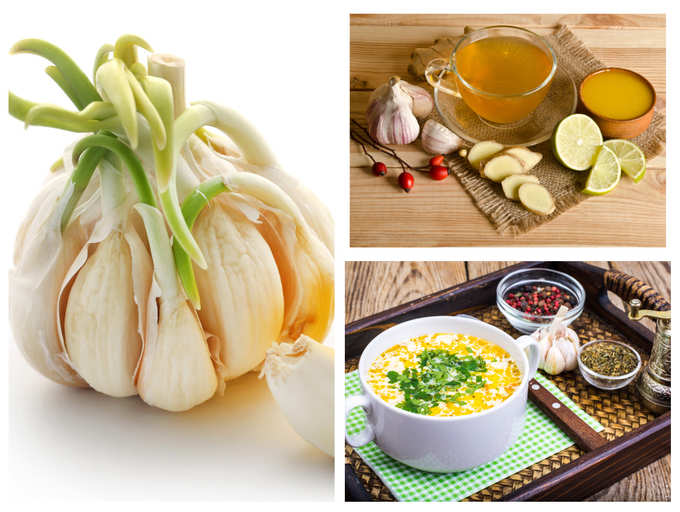
Garlic and onions belong to the allium vegetable family.
They contain sulfur-containing compounds that researchers have investigated for their potential biological activity.
Although studies continue, the strongest evidence supports including these vegetables as part of an overall healthy eating pattern rather than relying on them for specific disease prevention.
Adding garlic and onions to meals is an easy way to increase flavor without excess sodium.
6. Whole Grains
Whole grains retain all parts of the grain kernel, making them richer in nutrients than refined grains.
Examples include:
-
Oats
-
Brown rice
-
Quinoa
-
Whole wheat
-
Barley
Whole grains provide:
-
Fiber
-
B vitamins
-
Magnesium
-
Selenium
Replacing refined grains with whole grains may contribute to better digestive health and overall nutrition.
7. Nuts and Seeds
Nuts and seeds contain healthy fats along with many essential nutrients.
Good choices include:
-
Walnuts
-
Almonds
-
Pistachios
-
Chia seeds
-
Flaxseeds
-
Pumpkin seeds
These foods provide:
-
Vitamin E
-
Magnesium
-
Protein
-
Fiber
-
Healthy unsaturated fats
Because nuts are calorie-dense, moderate portions are generally recommended.
8. Leafy Green Vegetables
Dark leafy greens remain among the most nutrient-dense foods available.
Examples include:
-
Spinach
-
Kale
-
Collard greens
-
Swiss chard
-
Watercress
These vegetables contain:
-
Vitamin A
-
Vitamin C
-
Vitamin K
-
Folate
-
Magnesium
-
Antioxidants
Eating a wide variety of colorful vegetables supports overall health and contributes valuable nutrients to the diet.
Lifestyle Habits That Matter Just as Much
Nutrition is only one part of cancer prevention.
Research consistently shows that healthy lifestyle habits work together.
Avoid Tobacco
Smoking remains the leading preventable cause of cancer worldwide.
Quitting smoking is one of the most effective ways to reduce cancer risk.
Maintain a Healthy Weight
Excess body fat has been linked to an increased risk of several cancers.
A balanced diet and regular exercise help support healthy weight management.
Stay Physically Active
Adults are generally encouraged to aim for:
-
At least 150 minutes of moderate-intensity exercise each week
Activities such as walking, cycling, swimming, and dancing all contribute to better health.
Limit Alcohol
Alcohol consumption increases the risk of several cancers.
If you choose to drink, moderation is recommended.
Protect Your Skin
Reduce excessive ultraviolet (UV) exposure by:
-
Wearing sunscreen
-
Seeking shade
-
Wearing protective clothing
Attend Recommended Screenings
Routine cancer screening helps detect certain cancers early, when treatment is often most effective.
Follow screening recommendations appropriate for your age, sex, family history, and individual risk factors.
Foods Alone Cannot Prevent Cancer
It's important to avoid misleading health claims.
No food, supplement, juice, tea, or herb has been proven to:
-
Kill cancer cells in the body
-
Prevent every type of cancer
-
Replace chemotherapy or radiation
-
Eliminate tumors
Cancer develops through a complex combination of genetic, environmental, and lifestyle factors.
Healthy eating can reduce risk, but it cannot eliminate it completely.
Building a Cancer-Preventive Plate
Instead of focusing on individual "miracle foods," aim for balanced meals.
A healthy plate might include:
-
Half vegetables and fruits
-
One-quarter whole grains
-
One-quarter lean protein
-
Healthy fats such as olive oil or nuts
This pattern provides a wide variety of nutrients that work together to support health.
The Bottom Line
There is no single food that can prevent or cure cancer, but long-term eating habits play an important role in overall health. Broccoli, berries, tomatoes, beans, garlic, whole grains, nuts, seeds, and leafy green vegetables are all rich in fiber, vitamins, minerals, antioxidants, and beneficial plant compounds that can be part of a healthy, cancer-preventive eating pattern.
The greatest protection comes not from one "superfood," but from consistently enjoying a varied diet rich in plant-based foods, staying physically active, maintaining a healthy weight, avoiding tobacco, limiting alcohol, protecting your skin from excessive sun exposure, and following recommended cancer screening guidelines.
Small, sustainable lifestyle choices made every day can have a meaningful impact on your long-term health and well-being.