Okra, also known as lady's finger or gumbo, is a flowering plant valued for its edible green seed pods. Popular in cuisines across Africa, Asia, the Middle East, the Caribbean, and the southern United States, okra is loved for its unique texture, mild flavor, and impressive nutritional profile.
Whether roasted, grilled, steamed, stir-fried, or added to soups and stews, okra can be a delicious and versatile addition to a balanced diet. While it has gained attention on social media for its supposed "miracle" health benefits, the truth is that its greatest strength lies in being a nutrient-rich vegetable that supports overall health when eaten as part of a healthy lifestyle.
Here are 20 essential facts everyone should know about okra.

1. Okra Is Low in Calories
Okra is naturally low in calories, making it a satisfying choice for people who want to eat more vegetables while managing their calorie intake.
Its high water content also helps add volume to meals.
2. It's Rich in Dietary Fiber
One of okra's biggest nutritional strengths is its fiber content.
Fiber helps support:
-
Healthy digestion
-
Regular bowel movements
-
Feelings of fullness after meals
-
Healthy cholesterol levels
Most adults don't consume enough fiber, making vegetables like okra especially valuable.
3. It Provides Vitamin C
Vitamin C plays many important roles in the body.
It supports:
-
Normal immune function
-
Collagen production
-
Wound healing
-
Antioxidant protection
Including vitamin C-rich vegetables in your meals contributes to overall wellness.
4. It's an Excellent Source of Vitamin K
Vitamin K is essential for:
-
Normal blood clotting
-
Healthy bones
Because okra contains vitamin K, people taking blood-thinning medications such as warfarin should maintain a consistent intake of vitamin K-rich foods rather than making sudden dietary changes.
5. Okra Contains Folate
Folate is important for:
-
DNA production
-
Cell growth
-
Healthy red blood cell formation
Adequate folate intake is especially important during pregnancy because it helps support healthy fetal development.
6. It Contains Beneficial Antioxidants
Okra provides several plant compounds with antioxidant properties, including:
-
Polyphenols
-
Flavonoids
-
Vitamin C
Antioxidants help protect cells from oxidative stress caused by free radicals.
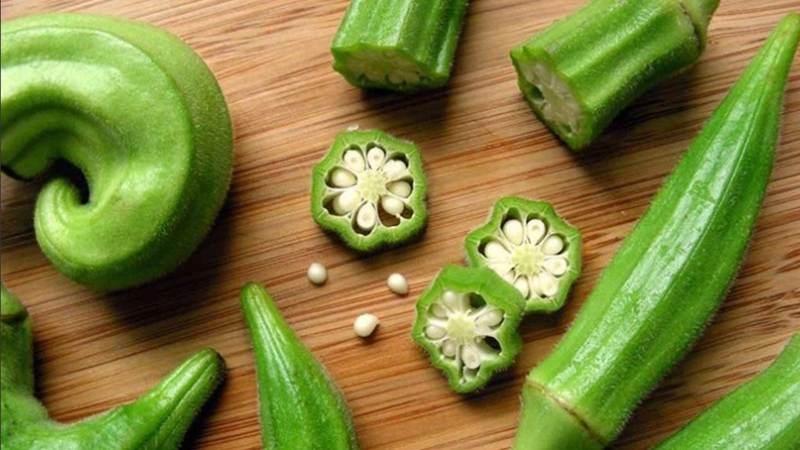
7. The Mucilage Is Completely Natural
The slippery texture many people notice when cutting or cooking okra comes from a natural substance called mucilage.
Although some people dislike this texture, it has practical culinary benefits.
Mucilage naturally thickens:
-
Soups
-
Stews
-
Sauces
This is one reason okra is a key ingredient in traditional gumbo.
8. Okra May Support Digestive Health
The combination of fiber and water in okra helps support healthy digestion and regular bowel movements.
A diet rich in vegetables contributes to a healthy digestive system overall.
9. It Supports a Heart-Healthy Diet
Okra fits well into eating patterns that support heart health because it is:
-
Low in saturated fat
-
Cholesterol-free
-
High in fiber
-
Rich in antioxidants
A heart-healthy diet focuses on overall food choices rather than any single ingredient.
10. It's Naturally Hydrating
Fresh okra contains a high percentage of water.
Water-rich vegetables contribute to daily hydration while providing valuable nutrients.
11. Okra Contains Magnesium
Magnesium supports:
-
Muscle function
-
Nerve function
-
Bone health
-
Energy production
Although okra is not the richest source of magnesium, it contributes to your total daily intake.
12. It's a Source of Potassium
Potassium helps regulate:
-
Fluid balance
-
Muscle contractions
-
Nerve signaling
Most people benefit from eating potassium-rich foods as part of a balanced diet.
13. Okra Is Naturally Gluten-Free
People with celiac disease or gluten sensitivity can enjoy okra as part of a naturally gluten-free diet.
Just be mindful of sauces or breading that may contain gluten.
14. It's Extremely Versatile
Okra can be prepared in many delicious ways.
Popular cooking methods include:
-
Grilling
-
Roasting
-
Steaming
-
Stir-frying
-
Boiling
-
Baking
-
Air frying
Its mild flavor pairs well with a wide variety of herbs and spices.
15. It May Help You Feel Full Longer
Because okra combines fiber with a high water content, it may help increase feelings of fullness after meals.
This can make it easier to maintain healthy eating habits.
16. Frozen Okra Is Also Nutritious
Fresh okra isn't your only option.
Frozen okra retains many of its nutrients and is convenient to keep on hand year-round.
Choose plain frozen okra without added sauces whenever possible.
17. It's Easy to Grow
Okra thrives in warm climates and is popular in home gardens.
It grows best in:
-
Full sunlight
-
Warm temperatures
-
Well-drained soil
Many gardeners enjoy harvesting fresh pods throughout the growing season.
18. Cooking Can Reduce Sliminess
If you prefer less mucilage, try:
-
Roasting
-
Grilling
-
High-heat stir-frying
Adding acidic ingredients such as tomatoes or lemon juice can also reduce the slippery texture.
19. Okra Fits Many Healthy Eating Patterns
Okra works well in numerous dietary styles, including:
-
Mediterranean-style diets
-
Plant-forward diets
-
Vegetarian diets
-
Vegan diets
-
Gluten-free diets
Its nutritional profile makes it easy to include in balanced meals.
20. No Single Food Is a Miracle
Perhaps the most important fact about okra is that it is not a miracle food.
Although some laboratory and animal studies have explored compounds found in okra for possible health effects, there is currently no strong evidence that okra alone can cure diabetes, prevent cancer, detoxify the body, or replace medical treatment.
The greatest health benefits come from eating a wide variety of fruits, vegetables, whole grains, lean proteins, and healthy fats over time.
How to Add More Okra to Your Diet
If you're new to okra, try these simple ideas:
-
Add sliced okra to vegetable soups.
-
Roast it with olive oil and garlic.
-
Grill whole pods as a side dish.
-
Stir-fry it with tomatoes and onions.
-
Mix it into curries.
-
Add it to stews or gumbo.
-
Air fry it with herbs and spices.
Experimenting with different cooking methods can help you discover your favorite preparation.
Choosing and Storing Okra
When shopping for fresh okra:
Choose pods that are:
-
Bright green
-
Firm
-
Smooth
-
Free of bruises
Smaller pods are generally more tender than very large ones.
Store fresh okra in the refrigerator and use it within a few days for the best quality.

The Bottom Line
Okra is far more than a simple vegetable. It's a nutrient-rich food that provides fiber, vitamins C and K, folate, potassium, magnesium, and beneficial antioxidants while remaining naturally low in calories and versatile in the kitchen.
Although no single food can guarantee perfect health, regularly including vegetables like okra in a balanced diet can help support digestion, heart health, immune function, and overall well-being. Combined with regular physical activity, adequate sleep, and other healthy lifestyle habits, okra can be a valuable part of a nutritious eating pattern.
Whether you enjoy it roasted, grilled, steamed, or added to soups, okra deserves its reputation as one of nature's most versatile and nourishing vegetables.