Wakame is also an excellent source of iodine, an essential mineral. When it comes to iodine and disease prevention, studies have shown that either too much or too little can have an effect when it comes to reducing your risk of thyroid cancer [22]. So in this case your goal should be to obtain adequate iodine from your diet. Wakame on average contains around 42mcg [23] of iodine per serving, which is about 28% of your daily intake [24].
6. Lycopene-Rich Foods
Source: Shutterstock
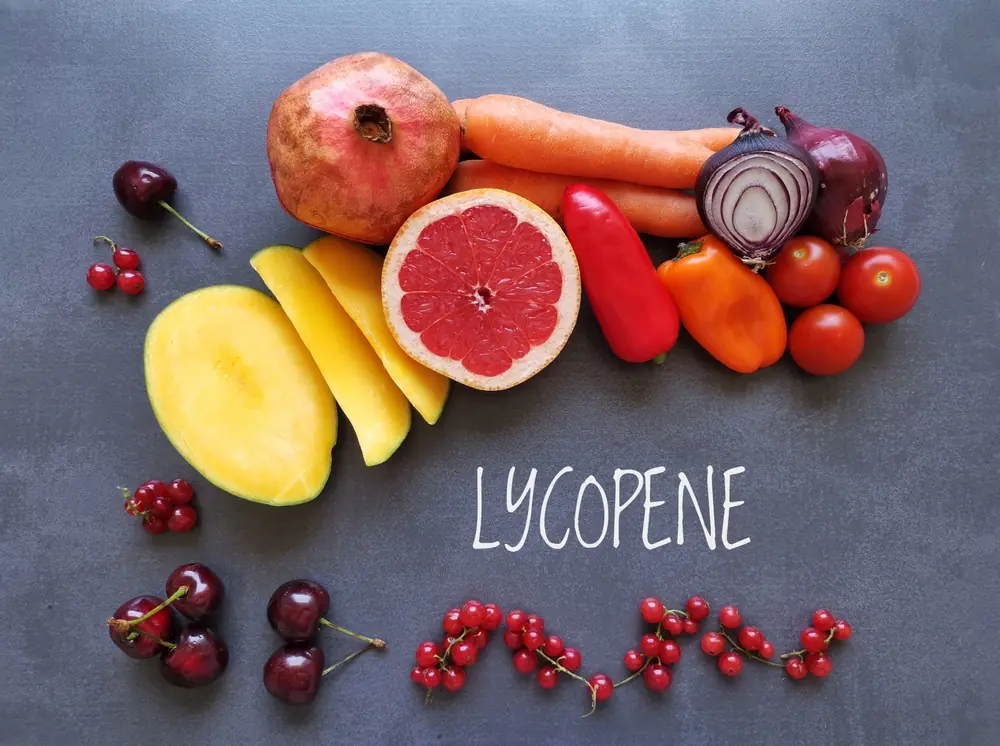
There is a growing body of research to suggest that consuming foods rich in lycopene can lower your risk for certain types of cancer, particularly prostate cancer [17]. Lycopenes are a type of antioxidant in the carotenoid family that gives tomatoes, watermelons, and grapefruits their red and pink colors. As a whole, carotenoids have been associated with a lower risk of lung and colorectal cancer [18]. Tomatoes*, guava, watermelon, papaya, grapefruit, and cooked red peppers are all good sources of lycopene.
*Note: Lycopene is actually more concentrated in processed tomato products like sauces, and pastes, and is not degraded by the cooking.
7. Beta Carotene-Rich Foods

Source: Shutterstock
Dietary carotenoids* have been linked to a lower risk of developing lung cancer, however, more research needs to be done to determine the effect of consuming beta-carotene through food on cancer prevention [18]. Carrots, sweet potatoes, and dark leafy greens like kale and spinach are excellent sources of beta-carotene.
*Note: Supplemental beta-carotene has not shown the same effect. In fact, it may increase cancer risk [18]. It’s always best to get your beta-carotene from foods.
8. Fatty Fish
Source: Shutterstock
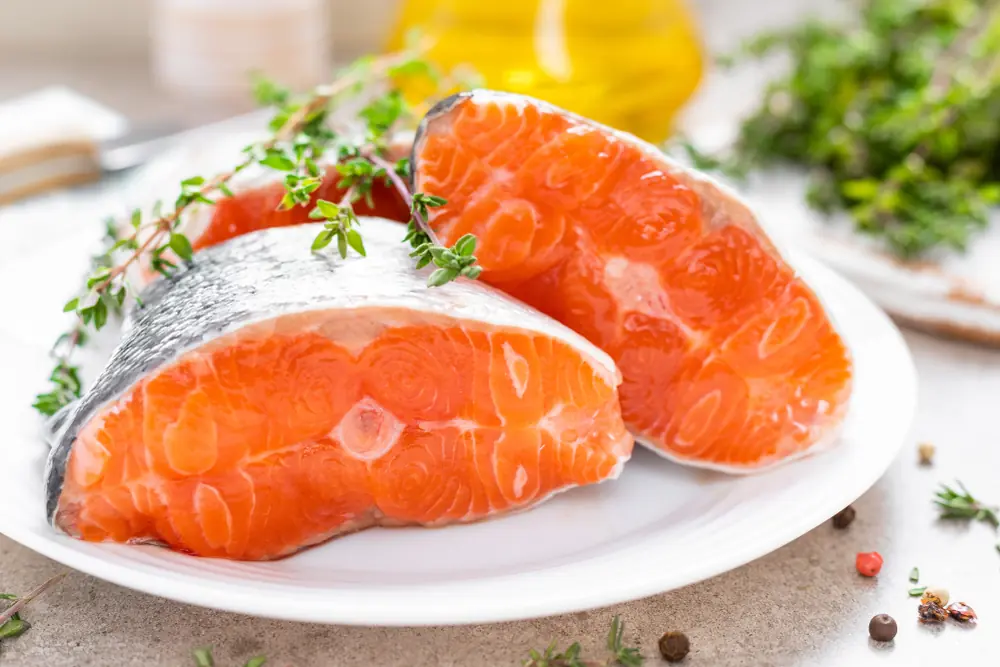
There is some research to suggest that including a few servings of fatty fish, such as albacore tuna, salmon, Atlantic herring, mussels, anchovies, and sardines every week can reduce your risk for developing certain cancers. This is likely because of their high vitamin D and Omega-3 fatty acid content, both of which are believed to reduce the risk of disease, including cancer [19,20].
Honorable Mentions
Source: Shutterstock
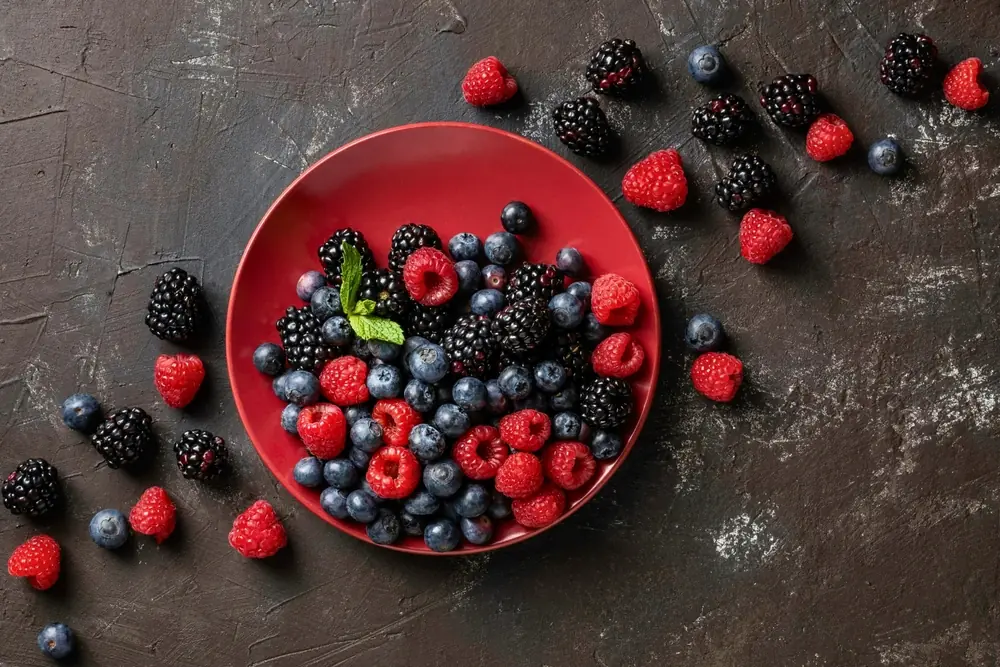
This is by no means a definitive list of the best foods to prevent cancer, and there are many other anti cancer foods that also contain important nutrients that reduce your risk of disease. Other cancer-fighting foods include berries and citrus fruits, lentils, legumes and eggs, whole grains like brown rice and oatmeal, olive oil, and green or white tea [2].
As previously mentioned, what you don’t eat can be just as important in terms of cancer prevention, and limiting your intake of processed meats, fried foods, refined carbohydrates, and sugar can also reduce your risk for disease. Additionally, other lifestyle factors, such as smoking, heavy alcohol consumption, a lack of physical activity, and chronic stress can also increase your risk for cancer [2].
Do Your Best to Decrease Your Risk

Source: Shutterstock
Although there is nothing you can do to bring your risk of developing cancer to an absolute zero, eating a healthy, plant-focused diet that is low in processed foods, getting plenty of exercises, drinking water, and avoiding risky behaviors like smoking or excessive drinking can reduce your risk significantly. This type of lifestyle will also help you to feel better overall, and you will have more energy to engage in the activities you enjoy. We may not be able to prevent cancer entirely, but we can create an internal environment that promotes health and vitality.
9. The Gut Microbiome: An Important Part of the Cancer Prevention Conversation
There is another part of the body that deserves attention when discussing diet and cancer risk: the gut microbiome.
The gut microbiome refers to the enormous community of microorganisms living in the digestive tract. These include bacteria and other microbes that interact with the food we eat, help break down certain nutrients, and influence several aspects of normal body function.
Scientists are increasingly interested in how these microorganisms may influence inflammation, immune activity, and the health of the intestinal lining.
One of the most important dietary factors in this conversation is fiber.
Fiber is found in foods such as beans, lentils, oats, brown rice, vegetables, fruits, nuts, and seeds. Unlike many other carbohydrates, some types of fiber pass through the small intestine without being completely digested.
When they reach the large intestine, certain fibers can be fermented by gut bacteria.
This process produces substances called short-chain fatty acids, including butyrate. These compounds help support the cells lining the colon and are being studied for their possible role in maintaining intestinal health.
This is one reason researchers are interested in diets rich in whole plant foods.
However, it would be inaccurate to claim that eating fiber guarantees protection against colorectal cancer. Cancer develops through many interacting processes, and no single nutrient can eliminate the risk.
The stronger public-health message is that fiber-rich foods should form a regular part of a balanced diet. Evidence reviewed by the World Cancer Research Fund supports eating whole grains, vegetables, fruits, and beans as part of an overall dietary pattern associated with lower cancer risk.
A practical way to increase fiber intake is to make gradual changes:
-
Replace some white rice with brown rice or other whole grains.
-
Add beans, lentils, or peas to soups and everyday meals.
-
Eat whole fruits instead of relying entirely on fruit juice.
-
Include vegetables at both lunch and dinner.
-
Choose oats or other whole-grain foods more frequently.
Increase fiber gradually and drink enough water, especially if your usual diet contains very little fiber. A sudden large increase may cause bloating or discomfort.
The goal is not to transform your diet overnight. It is to build a pattern that you can maintain.
10. Why Food Variety Matters More Than Finding One Superfood
Many people approach cancer prevention by searching for a single extraordinary ingredient.