Ovarian cancer is often called a “silent disease” because its symptoms can be subtle, vague, and easy to mistake for common digestive or hormonal problems. Many women dismiss the early signs as bloating, stress, aging, or menstrual discomfort, which may delay diagnosis until the disease becomes more advanced.
However, the body frequently sends warning signals long before ovarian cancer is discovered. The challenge is that these symptoms often seem mild at first and may come and go gradually over time.
It is important to remember that experiencing these symptoms does not automatically mean someone has ovarian cancer. Many harmless conditions may cause similar problems. However, persistent, unusual, or worsening symptoms should never be ignored.
Understanding possible early warning signs may help women seek medical evaluation sooner and improve the chances of earlier detection and treatment.
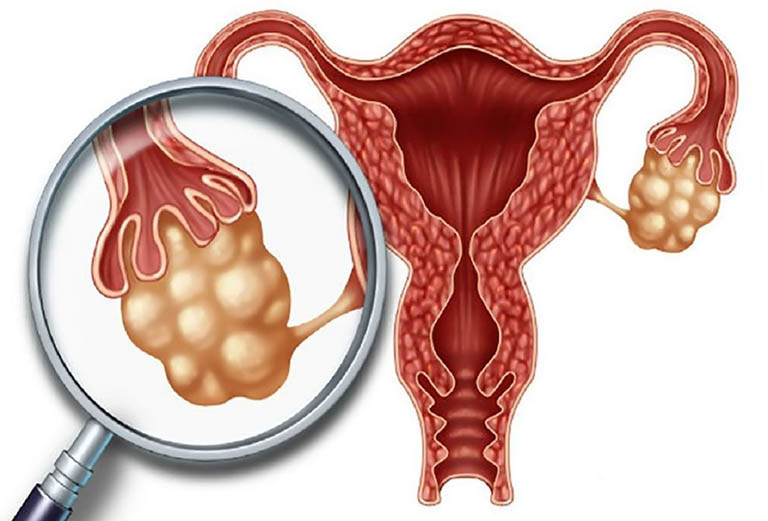
What Is Ovarian Cancer?
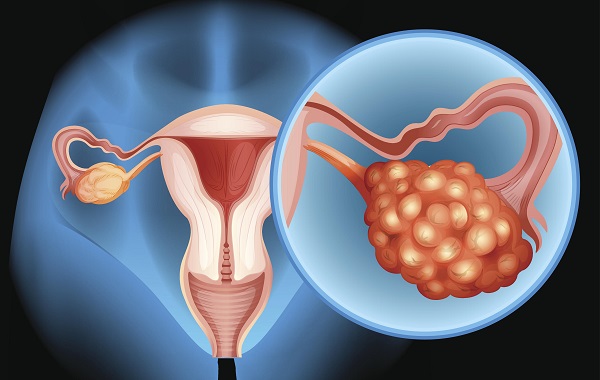
Ovarian cancer develops when abnormal cells grow uncontrollably in the ovaries.
The ovaries are part of the female reproductive system and are responsible for:
- Producing eggs
- Releasing hormones such as estrogen and progesterone
There are several types of ovarian cancer, with epithelial ovarian cancer being the most common.
Because the ovaries are located deep inside the pelvis, tumors may grow for some time before becoming noticeable.
Why Early Detection Is Difficult
Unlike some cancers that produce visible symptoms early, ovarian cancer often causes symptoms that mimic common everyday conditions.
Symptoms are frequently mistaken for:
- Digestive issues
- Hormonal changes
- Menstrual discomfort
- Stress
- Aging
Many women delay seeking medical attention because the symptoms seem minor or temporary.
The key warning sign is often persistence.
1. Persistent Bloating
One of the most commonly reported symptoms of ovarian cancer is ongoing bloating.
This is different from occasional bloating after large meals.
Women may notice:
- Constant abdominal fullness
- Swelling in the lower abdomen
- Tight clothing without weight gain
- Feeling unusually “puffy”
Persistent bloating that occurs frequently over weeks should not be ignored.
2. Pelvic or Abdominal Pain
Ongoing pain or pressure in the pelvic region may sometimes signal ovarian problems.
Symptoms may include:
- Pelvic discomfort
- Cramping
- Pressure
- Dull aching pain
- Lower abdominal heaviness
Pain may initially come and go before becoming more persistent.
Women often mistake these symptoms for menstrual cramps or digestive discomfort.

3. Feeling Full Quickly While Eating
Another possible warning sign is early satiety, meaning feeling full after eating only small amounts of food.
Women may notice:
- Loss of appetite
- Reduced food intake
- Difficulty finishing meals
- Fullness that appears unusually fast
This symptom may occur because abdominal swelling or fluid buildup affects the digestive system.
4. Frequent Urination
Ovarian cancer may sometimes place pressure on the bladder.
Possible urinary symptoms include:
- Frequent urination
- Urgent need to urinate
- Increased nighttime urination
- Bladder pressure
These symptoms are often mistaken for urinary tract infections or overactive bladder problems.
Persistent urinary changes deserve medical attention.
5. Unexplained Fatigue
Cancer-related fatigue is different from ordinary tiredness.
Women may feel:
- Constant exhaustion
- Low energy
- Weakness
- Difficulty concentrating
Fatigue may occur because the body is under increased metabolic stress.
Persistent unexplained fatigue should never be ignored, especially when combined with other symptoms.
6. Changes in Bowel Habits
Digestive symptoms are very common in ovarian cancer.
Possible changes may include:
- Constipation
- Diarrhea
- Increased gas
- Abdominal pressure
- Irregular bowel movements
Because these symptoms resemble common digestive issues, they are frequently overlooked.
7. Back Pain
Some women experience lower back pain related to pelvic pressure or abdominal changes.
The pain may:
- Persist for weeks
- Feel deep or aching
- Worsen gradually
Back pain alone is common and usually not related to cancer, but persistent pain combined with other symptoms should be evaluated.
8. Unexplained Weight Changes
Women may experience:
- Unintentional weight loss
- Abdominal enlargement despite weight loss
- Changes in body shape
Fluid buildup in the abdomen may sometimes make the stomach appear swollen even when overall body weight decreases.
Unexpected body changes deserve medical attention.

Why Symptoms Are Often Missed
One reason ovarian cancer is difficult to detect early is that symptoms are often:
- Mild
- Intermittent
- Non-specific
Many women attribute them to:
- Aging
- Hormones
- Menopause
- Digestive problems
- Stress
The important difference is that ovarian cancer symptoms often:
- Persist
- Become more frequent
- Gradually worsen
Risk Factors for Ovarian Cancer
Several factors may increase ovarian cancer risk.
These may include:
- Age
- Family history
- BRCA gene mutations
- Personal history of breast cancer
- Endometriosis
- Obesity
However, ovarian cancer can still occur in women without obvious risk factors.
The Importance of Family History
Genetics may play an important role in some ovarian cancer cases.
Women with close relatives who have had:
- Ovarian cancer
- Breast cancer
- Certain inherited syndromes
may benefit from discussing screening and genetic counseling with healthcare providers.
How Ovarian Cancer Is Diagnosed
Doctors may use:
- Pelvic exams
- Ultrasound imaging
- Blood tests
- CT scans
- Biopsy procedures
No single screening test perfectly detects ovarian cancer early in all women.
This is why paying attention to symptoms is important.
When to Seek Medical Attention
Medical evaluation may be important if symptoms:
- Persist for more than a few weeks
- Occur almost daily
- Worsen gradually
- Feel unusual for the individual
Especially concerning combinations include:
- Bloating with pelvic pain
- Appetite changes with weight loss
- Fatigue with abdominal swelling
Listening to the body matters.
Lifestyle and Overall Health
Although lifestyle changes cannot guarantee prevention, healthy habits may support overall wellness.
Helpful practices may include:
- Balanced nutrition
- Regular exercise
- Maintaining healthy weight
- Routine medical checkups
- Managing stress
Preventive healthcare remains important for long-term health.
Why Awareness Matters
Awareness plays a major role in early detection.
Many women delay medical care because symptoms seem harmless or embarrassing.
Understanding that persistent bloating, pelvic discomfort, and digestive changes are not always “normal” may help encourage earlier evaluation.
The Emotional Impact of Ovarian Cancer
A cancer diagnosis may affect:
- Emotional health
- Family life
- Relationships
- Mental well-being
Support systems, counseling, and early medical care may help individuals cope more effectively.
Final Thoughts
Ovarian cancer may begin with subtle warning signs that are easy to overlook, including persistent bloating, pelvic pain, urinary changes, appetite loss, fatigue, digestive problems, back pain, and unexplained weight changes.
These symptoms do not automatically mean cancer is present, but ongoing or unusual changes should never be ignored.
The body often provides early clues when something is wrong, and paying attention to persistent symptoms may help support earlier diagnosis, faster treatment, and better long-term health outcomes.