8 Powerful Anti-Can.cer Foods You Should Start Including in Your Diet
A growing body of research shows that what you eat can play a key role in your overall health—including your risk of developing cancer. While no single food can completely prevent the disease, experts agree that a diet rich in nutrient-dense, plant-based foods can help protect cells and reduce cancer risk.
Below are eight powerful foods commonly highlighted for their potential cancer-fighting properties.
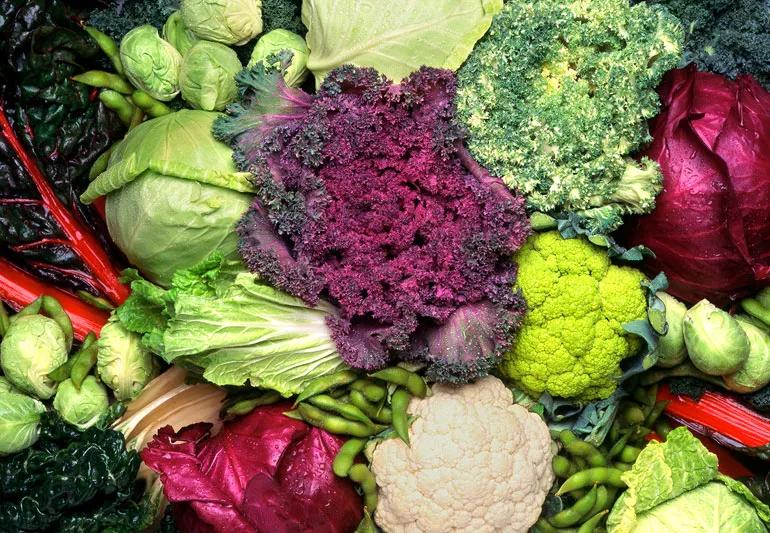
1. Broccoli and Cruciferous Vegetables
Vegetables like broccoli, cauliflower, and cabbage are rich in compounds such as sulforaphane, which may help neutralize harmful toxins and protect cells from damage.
These vegetables are widely considered some of the most effective foods for supporting the body’s natural detoxification processes.
2. Berries
Berries such as blueberries, strawberries, and raspberries are packed with antioxidants and phytochemicals that help fight oxidative stress—a key factor in cancer development.
Regular consumption may help protect DNA and reduce inflammation in the body.
3. Garlic
Garlic contains sulfur-based compounds that can boost the immune system and support the body’s defense mechanisms.
Some studies suggest garlic intake may be linked to a lower risk of certain cancers, particularly those affecting the digestive system.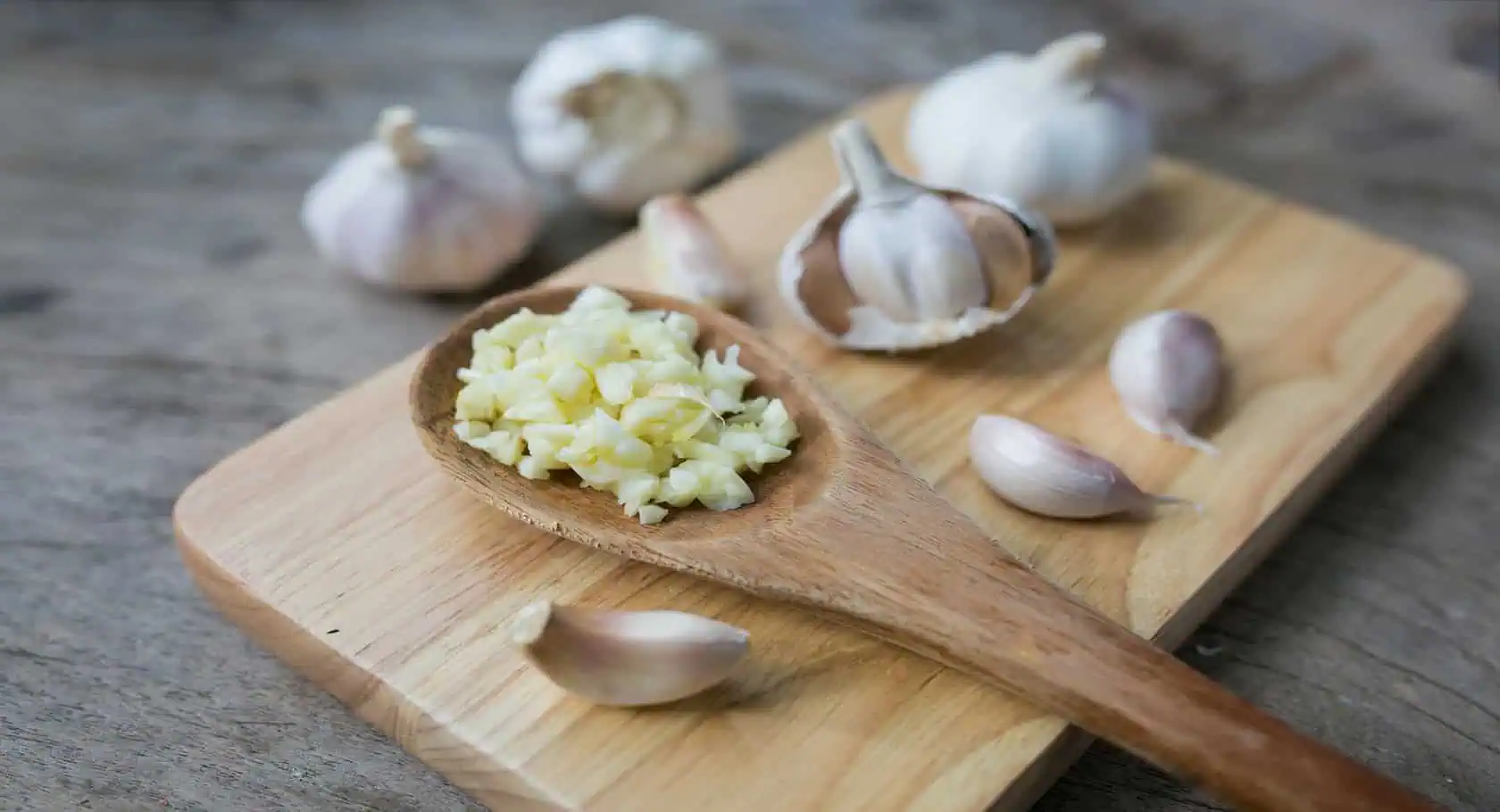
4. Tomatoes
Tomatoes are rich in lycopene, a powerful antioxidant associated with a reduced risk of several cancers.
Interestingly, cooked tomatoes may offer even greater benefits, as heat increases lycopene absorption.
5. Green Tea
Green tea contains catechins, especially EGCG, which are known for their antioxidant and anti-inflammatory effects.
These compounds may help slow the growth of abnormal cells and support overall cellular health.
6. Nuts and Seeds
Nuts and seeds provide healthy fats, fiber, and antioxidants that help reduce inflammation.
Flaxseeds, in particular, contain compounds that may support hormonal balance and reduce cancer risk.
7. Leafy Green Vegetables
Spinach, kale, and other leafy greens are rich in vitamins, fiber, and carotenoids that help protect cells from damage and support immune function.
They are a cornerstone of any diet aimed at reducing chronic disease risk.
8. Turmeric
Turmeric contains curcumin, a compound widely studied for its anti-inflammatory and antioxidant properties.
It may help slow the growth of cancer cells and reduce inflammation, especially when combined with black pepper to improve absorption.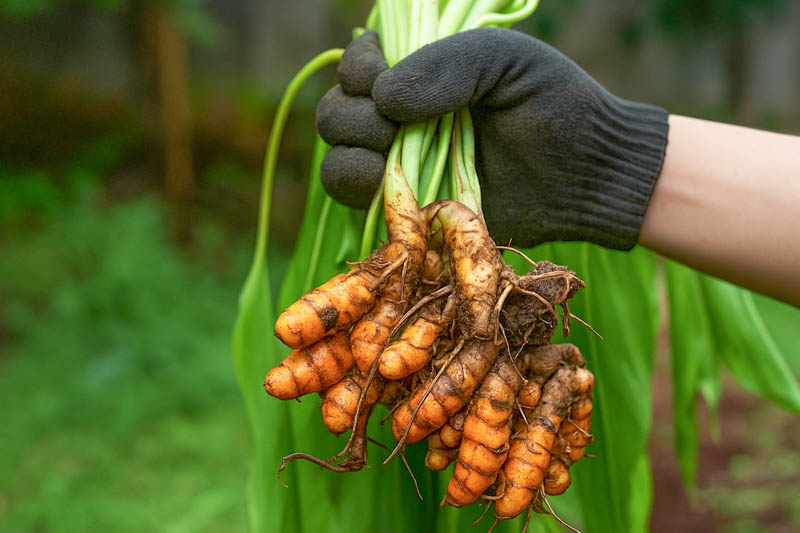
The Bigger Picture
Experts emphasize that no single food can prevent cancer on its own. Instead, the key lies in maintaining a balanced diet rich in a variety of whole, plant-based foods.
Combining these foods with a healthy lifestyle—including regular exercise and avoiding harmful habits—can significantly support long-term health.
The Bottom Line
Incorporating foods like broccoli, berries, garlic, tomatoes, green tea, nuts, leafy greens, and turmeric into your daily diet may help strengthen your body’s natural defenses.
While they are not a cure, these foods can play an important role in reducing risk and promoting overall well-being.