8 Possible Warning Signs Linked to Pancreatic Cancer
Pancreatic cancer can be difficult to recognize in its earlier stages. One reason is that it may cause few or no noticeable symptoms at first, and when symptoms do appear, they can look like common digestive or other health problems.
That doesn't mean every stomach ache, bout of fatigue, or change in appetite is a sign of cancer. Most of these symptoms have many other, much more common causes.
Still, knowing what to watch for can help you recognize when a persistent or unexplained change deserves medical attention.
Here are 8 possible warning signs associated with pancreatic cancer.
1. Yellowing of the Skin or Eyes
One of the most recognizable signs is jaundice, which causes the skin or whites of the eyes to become yellow.
It may also be accompanied by:
- Dark urine
- Pale or clay-colored stools
- Itchy skin
Jaundice can happen when a tumor blocks the bile duct, causing bilirubin to build up in the body. However, pancreatic cancer is not the most common cause of jaundice—gallstones, hepatitis, and other liver or bile-duct conditions can cause it as well.
Nevertheless, unexplained jaundice should be medically evaluated promptly.
2. Unexplained Weight Loss
Losing weight without deliberately changing your diet or exercise routine can be an important warning sign.
People with pancreatic cancer may experience unintentional weight loss and reduced appetite. Problems digesting food can also contribute to nutritional difficulties.
Of course, unexplained weight loss has many possible causes, including thyroid disease, digestive disorders, infections, medication effects, and other cancers.
The important thing is not to assume the cause.
If the weight loss continues without an obvious explanation, talk with a healthcare professional.
3. Persistent Upper-Abdominal or Back Pain
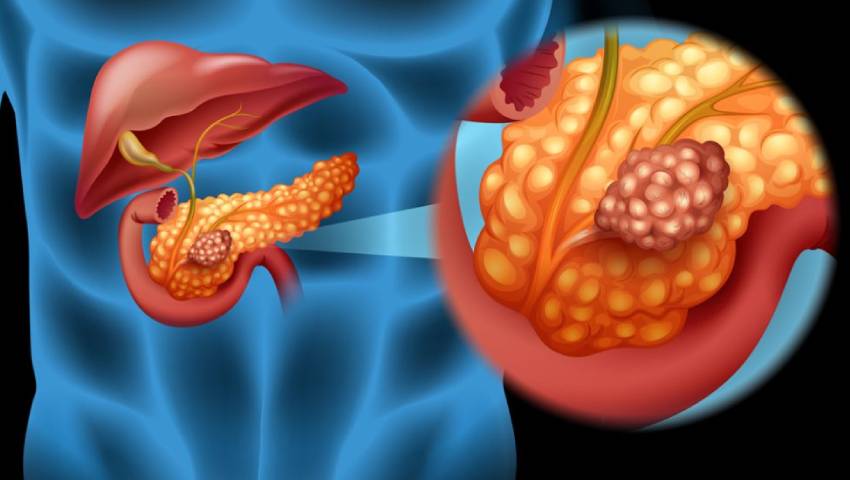
Pain associated with pancreatic cancer may occur in the upper abdomen and sometimes spread toward the back.
According to the American Cancer Society, this can happen when a tumor grows and presses on nearby organs or nerves. Some people may notice that the discomfort becomes worse after eating or while lying down and improves when leaning forward.
But abdominal and back pain are extremely common and are usually caused by something other than pancreatic cancer.
What matters is a new, persistent, unexplained pattern, especially when pain occurs together with other symptoms.
4. Digestive Problems That Don't Go Away
Because the pancreas plays an important role in digestion, pancreatic disease can sometimes be associated with digestive symptoms.
Possible changes include:
- Bloating
- Indigestion
- Diarrhea or constipation
- Changes in stool
- Nausea
- Feeling unusually full
The NHS lists digestive changes, including diarrhea, constipation, bloating, and indigestion, among possible symptoms of pancreatic cancer.
However, these symptoms are extremely common and can result from diet, irritable bowel syndrome, infections, medications, ulcers, and numerous other conditions.
The key is persistence or a noticeable change from your normal pattern.
5. Pale, Greasy, or Floating Stools
This is a symptom many people may not immediately connect with the pancreas.
If bile or pancreatic digestive enzymes aren't reaching the intestine normally, the body may have difficulty digesting fats. This can result in stools that are pale, greasy, or difficult to flush, and they may sometimes float.
This doesn't mean an unusual bowel movement automatically points to cancer.
Dietary changes, gallbladder problems, liver disease, pancreatic disorders, and other digestive conditions can also affect stool appearance.
But if the change persists, it deserves evaluation.
6. Nausea or Vomiting
Persistent nausea or vomiting can have countless causes.
In pancreatic cancer, nausea and vomiting may occur when a tumor affects the stomach or nearby digestive structures, making it more difficult for food to pass normally.
If nausea is persistent, repeatedly returns, or occurs alongside weight loss, abdominal pain, jaundice, or significant changes in bowel habits, don't simply assume it's an ordinary stomach problem.
7. New or Unexpected Changes in Blood Sugar
This one can surprise people.
The pancreas produces insulin, which helps regulate blood sugar. Pancreatic cancer can sometimes affect insulin-producing cells and contribute to diabetes or changes in blood sugar.
Some people may develop symptoms of diabetes, such as:
- Increased thirst
- Frequent urination
- Increased hunger
The American Cancer Society also notes that pancreatic cancer can sometimes cause smaller blood-sugar changes that don't produce obvious diabetes symptoms but may still be detected through blood testing.
Importantly, most people with diabetes do not have pancreatic cancer. Diabetes is extremely common and has many causes.
But new-onset diabetes or unexplained changes in previously well-controlled blood sugar may be worth discussing with a healthcare professional, particularly when other symptoms are present.
8. Persistent Fatigue or Unusual Weakness
Feeling tired after a stressful week or a poor night's sleep is normal.
But persistent fatigue or unusual physical weakness can occur among the symptoms associated with pancreatic cancer.
Again, fatigue is one of the least specific symptoms on this list. Poor sleep, anemia, infections, thyroid disorders, medications, stress, and many other conditions can cause it.
That's why fatigue alone should never be treated as proof of cancer.
Why Pancreatic Cancer Can Be Difficult to Detect
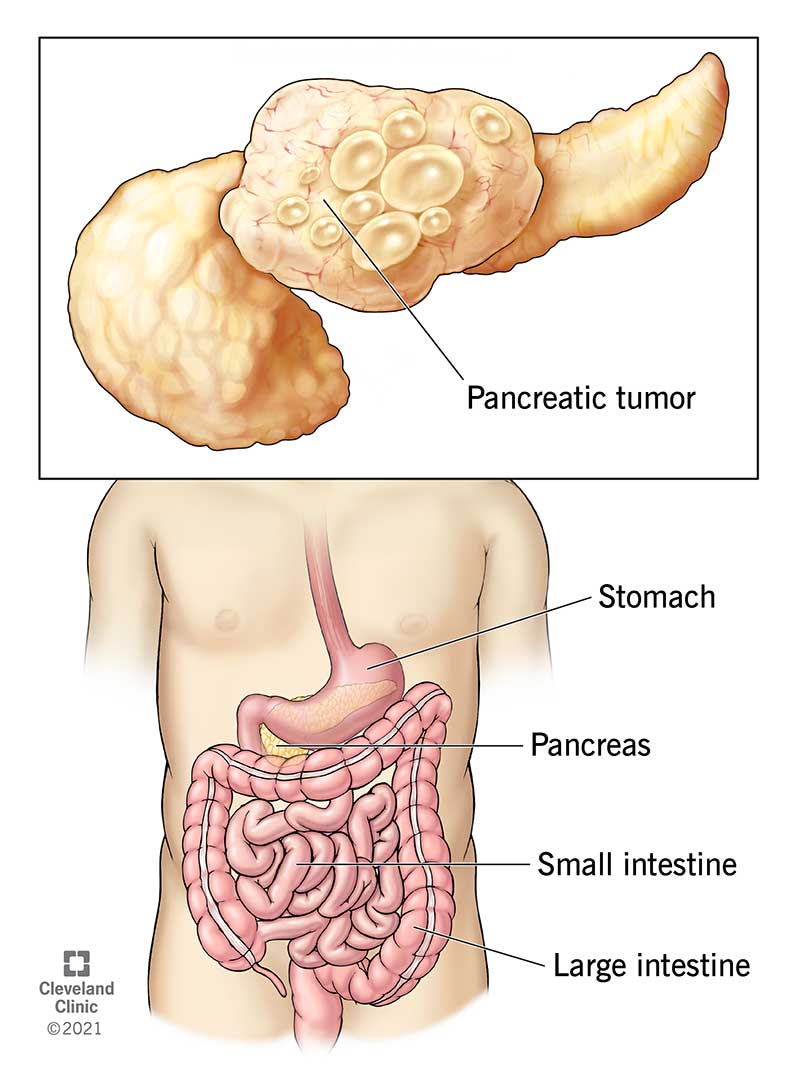
The pancreas is located deep inside the abdomen, behind the stomach. Early pancreatic cancer may cause no obvious symptoms, and symptoms that eventually appear can resemble much more common illnesses.
That's why it's important to pay attention to patterns rather than isolated symptoms.
For example, occasional indigestion after a heavy meal is very different from persistent indigestion accompanied by unexplained weight loss, abdominal pain, or jaundice.
When Should You See a Doctor?
Don't wait for symptoms to become severe before seeking advice.
Contact a healthcare professional if you experience:
- Unexplained or continuing weight loss
- Persistent abdominal or back pain
- Ongoing digestive changes
- Repeated vomiting
- Unexplained changes in stool
- New or unexplained blood-sugar changes
- Persistent fatigue combined with other symptoms
- Yellow skin or yellowing of the whites of the eyes
Jaundice deserves particularly prompt medical attention. The NHS recommends urgent medical assessment for yellowing of the skin or eyes.
One Important Reminder

Having one or even several of these symptoms does not mean you have pancreatic cancer.
Many of them are much more commonly caused by conditions such as gallstones, digestive disorders, infections, diabetes, liver disease, medication effects, or other non-cancerous problems. The National Cancer Institute specifically notes that pancreatic-cancer symptoms can be caused by many conditions other than cancer.
The purpose of knowing these signs isn't to diagnose yourself.
It's to recognize when a persistent or unexplained change deserves professional evaluation.
If something in your body has changed and doesn't return to normal, don't panic—but don't automatically ignore it either.
Pay attention. Get checked. And let a healthcare professional determine what's really causing the symptoms.
Sources
- National Cancer Institute — Pancreatic Cancer Treatment (PDQ)
- American Cancer Society — Signs and Symptoms of Pancreatic Cancer
- NHS — Symptoms of pancreatic cancer