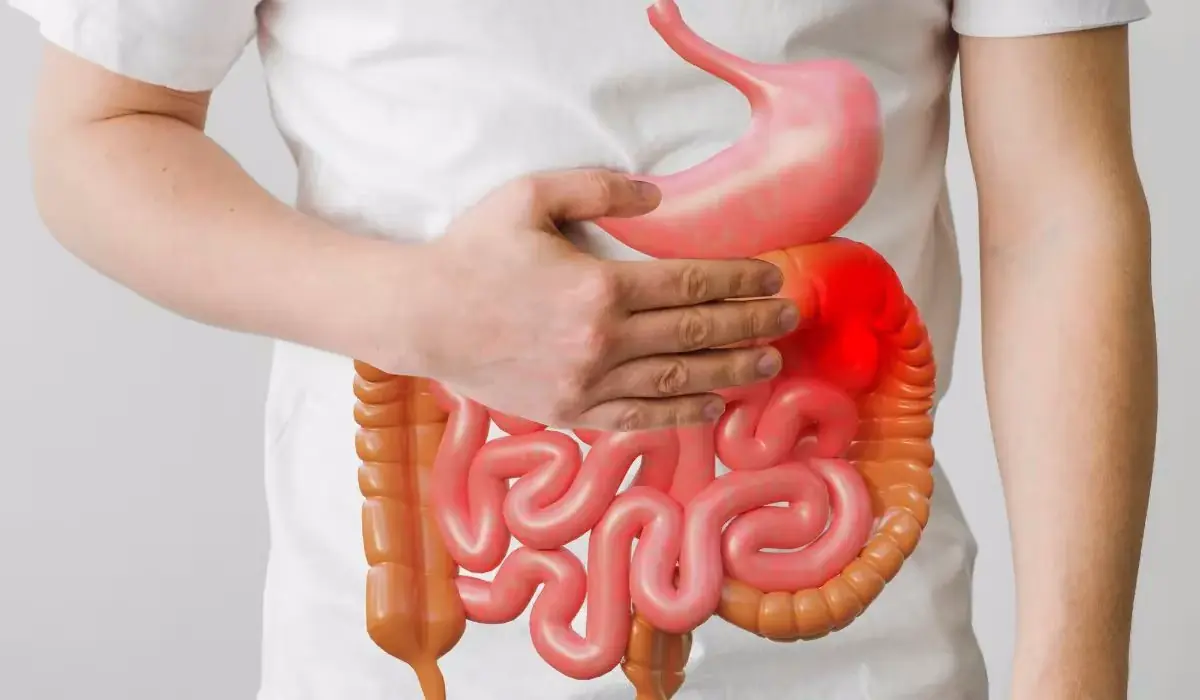
But when symptoms become more intense, persistent, or begin to affect your daily life, they may indicate that your stomach disease has progressed to a more serious stage. Paying attention to these red flags can help you seek timely medical care and avoid dangerous complications. Below are eight signs that your stomach condition may have become severe and should not be ignored.
1. Persistent or Intensifying Abdominal Pain
One of the clearest warning signs is stomach pain that becomes constant, sharper, or more intense over time. While occasional discomfort can come from simple indigestion, severe or long-lasting pain may indicate advanced gastritis, stomach ulcers, gallbladder issues, or even inflammation of surrounding organs. If the pain spreads to the back, worsens after meals, or wakes you up at night, it may be reaching a dangerous level.
2. Frequent Vomiting or Vomiting Blood
Regular vomiting is already a sign of concern, but vomiting blood is a medical emergency. Blood may appear bright red or resemble dark “coffee grounds,” which suggests internal bleeding. This commonly occurs in bleeding ulcers, severe gastritis, or ruptured blood vessels in the digestive tract. Persistent vomiting can also cause dehydration, electrolyte imbalance, and further damage to the stomach lining.
3. Unexplained or Rapid Weight Loss
Losing weight without trying is often a symptom of reduced nutrient absorption or chronic inflammation inside the stomach. Advanced stomach diseases—such as long-standing gastritis, peptic ulcers, or in rare cases, stomach cancer—can interfere with digestion and reduce appetite. When weight loss is paired with fatigue or loss of appetite, it becomes an urgent warning sign.
4. Black, Tarry, or Bloody Stools
Your stool can reveal a great deal about internal bleeding. Black, tar-like stools suggest digested blood coming from the stomach or upper digestive tract. Bright red blood may indicate bleeding closer to the lower stomach or intestines. Both require prompt medical assessment. Ignoring these signs can result in severe anemia and life-threatening complications.
5. Extreme Bloating or Feeling Full Quickly
If you consistently feel full after only a few bites of food or experience constant bloating even without eating, your stomach may not be functioning properly. Conditions such as advanced gastritis, gastric obstruction, delayed stomach emptying (gastroparesis), or swelling of the stomach wall can all cause this sensation. Feeling full too quickly is especially concerning when accompanied by weight loss or pain.
6. Severe Heartburn Unresponsive to Medication
Occasional heartburn is normal, but severe acid reflux that does not improve with medications could signal more advanced issues. This may include chronic acid damage, esophagitis, Barrett’s esophagus, or worsening stomach inflammation. Persistent burning in the chest or throat, sour taste, and nighttime reflux should be evaluated as soon as possible.
7. Difficulty Swallowing or Pain While Swallowing
Trouble swallowing food or experiencing pain when food moves down the esophagus is a sign that digestive inflammation may be spreading or that acid reflux has damaged the esophagus. Narrowing of the esophagus or chronic acid exposure can make swallowing increasingly difficult, which is considered a severe-stage symptom.
8. Constant Fatigue or Signs of Anemia
Advanced stomach disease can hinder nutrient absorption or cause slow internal bleeding, leading to anemia. Symptoms include extreme tiredness, dizziness, pale skin, headaches, shortness of breath, and cold extremities. When anemia is linked to digestive problems, it often indicates significant stomach damage that needs immediate medical care.