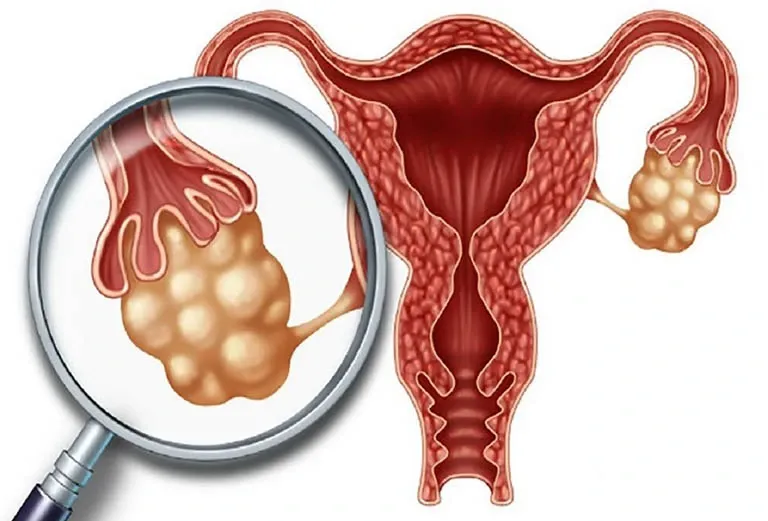
Ovarian cancer is often called a “silent disease” because its early symptoms can be subtle, vague, and easily mistaken for common digestive or hormonal issues. However, paying attention to these early warning signs can make a critical difference. When detected early, treatment outcomes improve significantly.
Understanding what to look for is essential. Here are eight warning signs of ovarian cancer that every woman should be aware of.

1. Persistent Abdominal Bloating
Bloating is common, especially around menstrual cycles, but persistent or unusual bloating should not be ignored.
What to notice:
- A swollen or full feeling in the abdomen
- Bloating that occurs daily or doesn’t go away
Unlike typical bloating, this symptom tends to be ongoing and progressive.
2. Pelvic or Abdominal Pain
Ongoing discomfort in the lower abdomen or pelvic region can be an early sign.
How it may feel:
- Dull aches or pressure
- Pain that is not linked to menstrual cycles
Persistent pain that doesn’t improve over time warrants attention.
3. Difficulty Eating or Feeling Full Quickly
A sudden change in appetite can be a subtle but important clue.
Signs include:
- Feeling full after eating small amounts
- Loss of appetite without a clear reason
This can be related to pressure from ovarian growths affecting nearby organs.
4. Frequent or Urgent Urination
Changes in urinary habits may also signal an issue.
Watch for:
- Needing to urinate more often
- Feeling urgency without increased fluid intake
This may occur due to pressure on the bladder.
5. Unexplained Fatigue
Persistent tiredness that doesn’t improve with rest can be a warning sign.
What makes it different:
- Ongoing exhaustion
- Lack of energy affecting daily activities
Fatigue can result from the body responding to disease processes.
6. Changes in Bowel Habits
Digestive changes are often overlooked but can be significant.
Possible symptoms:
- Constipation
- Diarrhea
- Changes in stool patterns
These symptoms may occur due to pressure on the intestines.
7. Back Pain
Lower back pain without an obvious cause can sometimes be linked to ovarian issues.
Key point:
- Pain that persists or worsens over time
- Not related to physical strain or injury
8. Unexplained Weight Changes
Sudden weight loss or gain—especially around the abdomen—can be a sign.
What to look for:
- Rapid, unintentional weight loss
- Increased abdominal size despite no lifestyle changes
Why These Symptoms Are Often Missed
Many of these signs overlap with common, less serious conditions such as digestive issues or hormonal changes. Because of this, they are often dismissed or ignored.
The key difference is persistence and frequency. Symptoms that occur almost daily for several weeks are more concerning than occasional discomfort.
When Should You Seek Medical Advice?
You should consult a healthcare professional if:
- Symptoms last more than 2–3 weeks
- They occur frequently (more than 10–12 times per month)
- They are new or unusual for your body
Early evaluation may include physical exams, imaging tests, or blood tests.
The Bottom Line
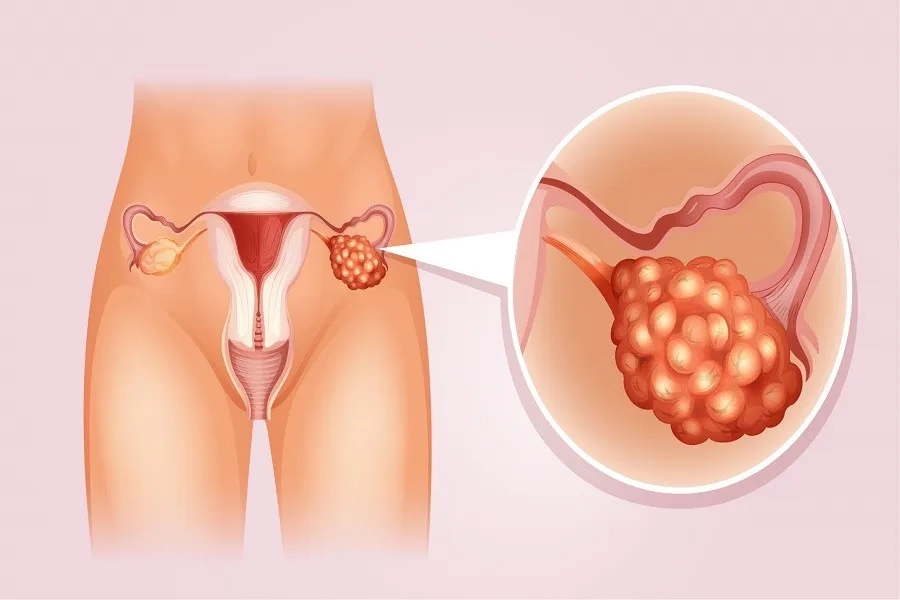
Ovarian cancer may not always present obvious signs in its early stages, but your body often provides subtle warnings. Persistent bloating, pelvic pain, appetite changes, and urinary symptoms should not be ignored—especially when they appear together.
Being aware of these signs and taking action early can make a life-saving difference. Listening to your body is one of the most powerful tools you have for protecting your health.