8 Warning Signs Your Stomach Disease May Have Reached a Severe Stage — Don’t Ignore These Red Flags
Stomach problems are common. Many people experience occasional indigestion, bloating, or mild discomfort after eating. Most of the time, these symptoms are harmless and temporary.
However, when stomach-related symptoms become persistent, intense, or unusual, they may signal something more serious. Advanced stomach conditions — including severe gastritis, peptic ulcers, bleeding, or even gastric cancer — often present warning signs that should never be ignored.
Understanding these signals can help you seek medical care early, when treatment is more effective and outcomes are better.
1. Persistent or Worsening Upper Abdominal Pain


Mild stomach discomfort after eating spicy or heavy food is common. But pain that:
-
Lasts for weeks
-
Becomes progressively worse
-
Wakes you up at night
-
Feels sharp, burning, or stabbing
may indicate a more advanced condition such as a peptic ulcer or severe inflammation.
Chronic upper abdominal pain is one of the most overlooked but important warning signs.
2. Unexplained Weight Loss
Unintentional weight loss without diet or exercise changes is always a red flag.
Serious stomach disorders can cause:
-
Loss of appetite
-
Early satiety (feeling full quickly)
-
Difficulty digesting food
-
Malabsorption
When the body isn’t properly absorbing nutrients or you’re eating less due to discomfort, weight loss follows.
If you lose more than 5% of your body weight within 6–12 months without trying, medical evaluation is strongly recommended.
3. Persistent Nausea and Vomiting
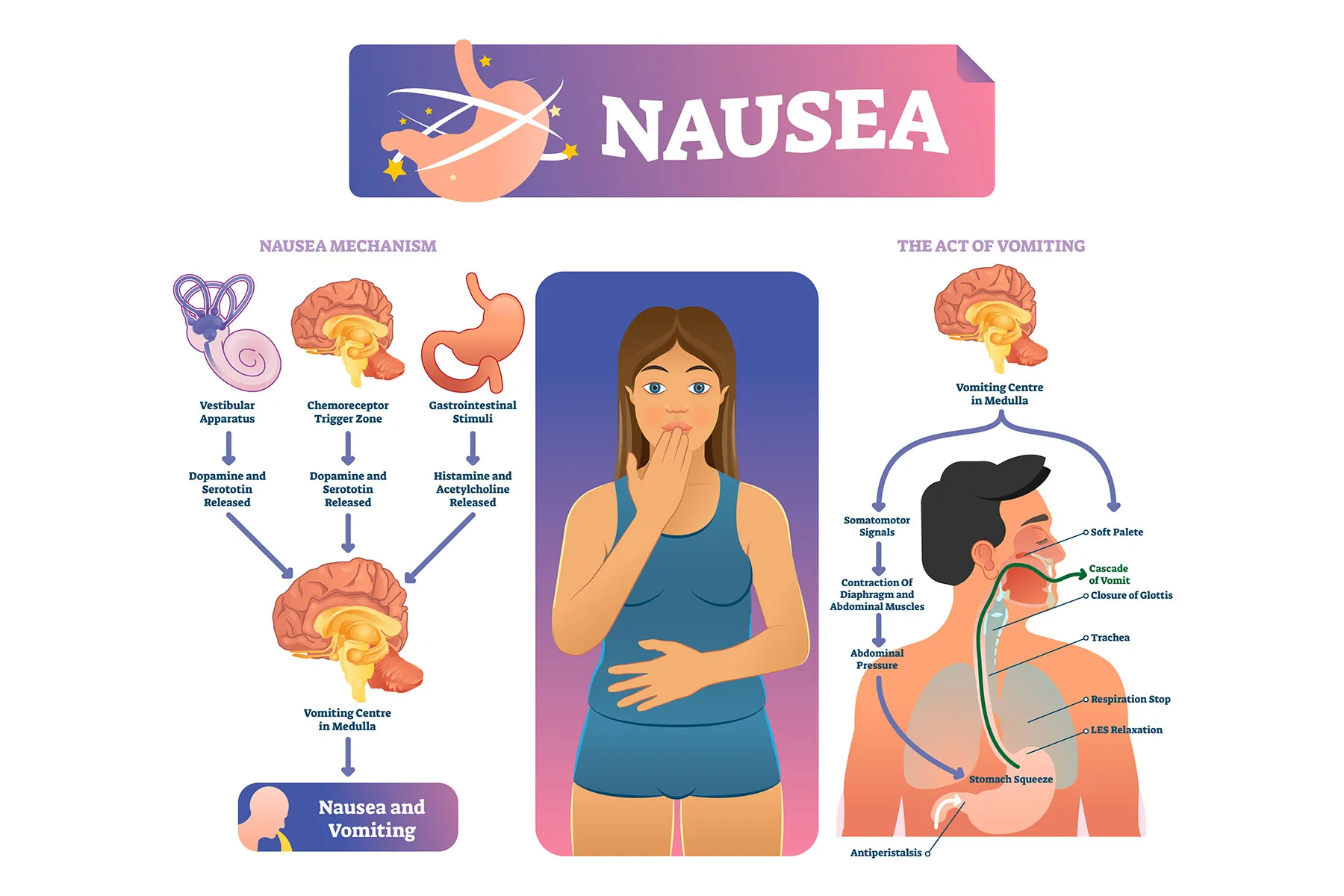


Occasional nausea happens. Persistent nausea that doesn’t resolve may suggest:
-
Advanced gastritis
-
Stomach ulcer complications
-
Gastric outlet obstruction
-
Tumor-related blockage
If vomiting becomes frequent or contains blood (bright red or coffee-ground appearance), it is an emergency.
4. Blood in Vomit or Black, Tarry Stools

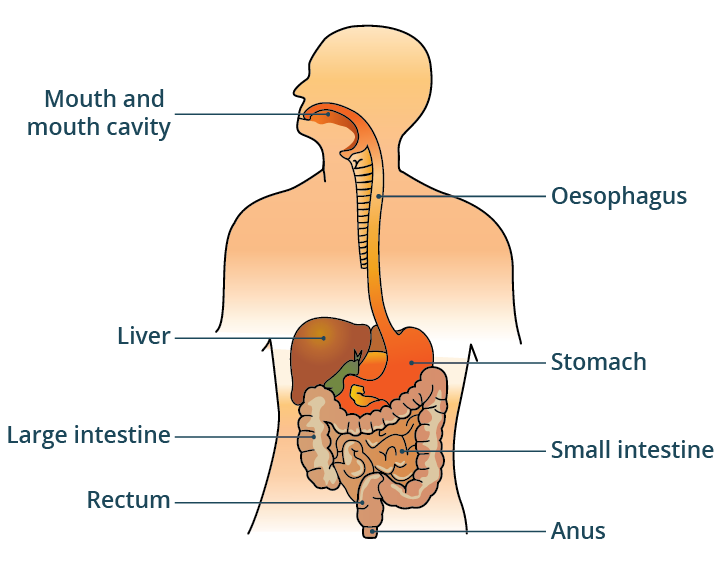
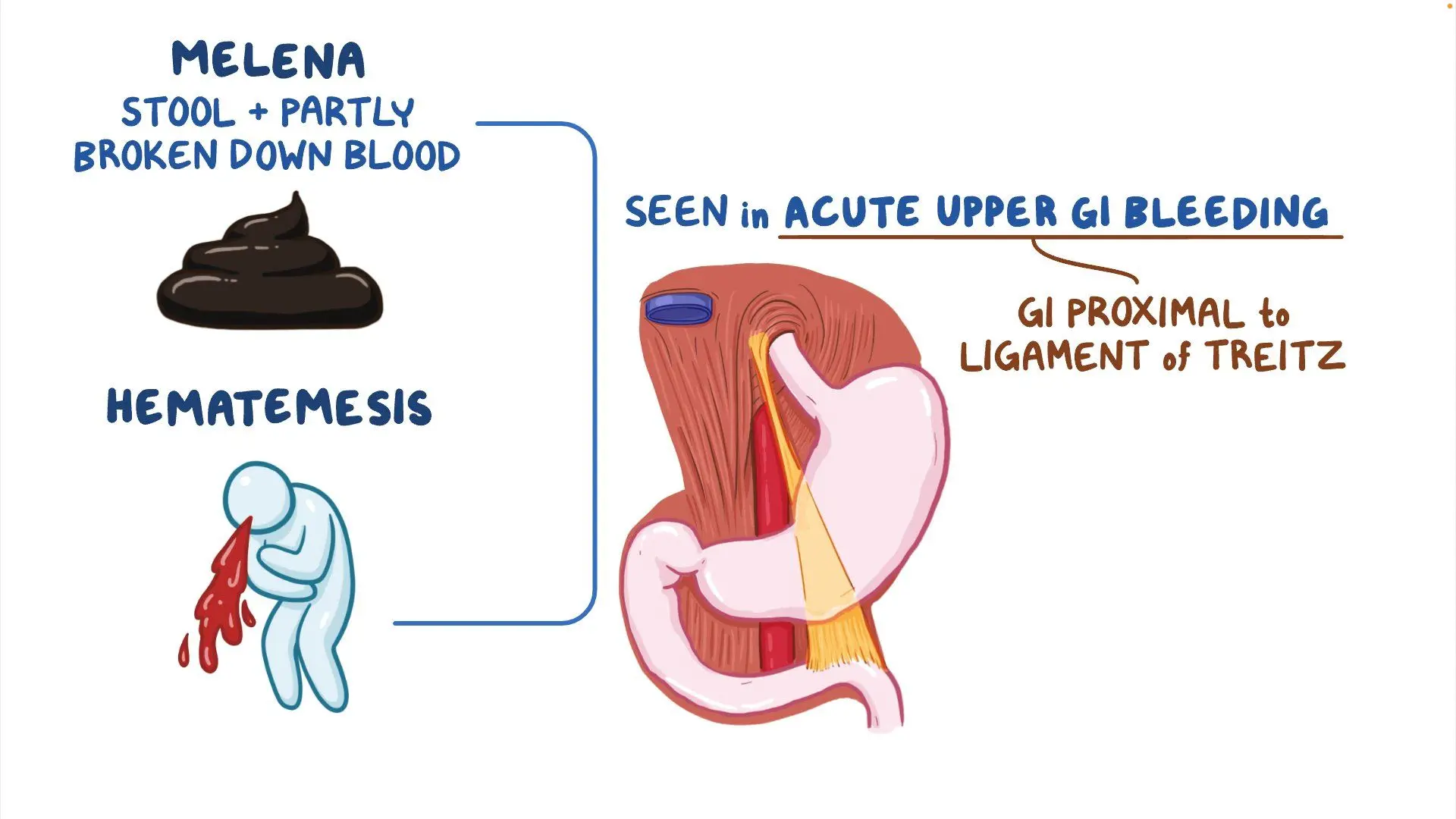
Internal stomach bleeding can present as:
-
Vomiting blood
-
Dark brown, coffee-ground vomit
-
Black, tar-like stools (melena)
This occurs when blood is digested as it passes through the gastrointestinal tract.
Gastrointestinal bleeding requires immediate medical attention.
5. Severe Bloating and Persistent Fullness


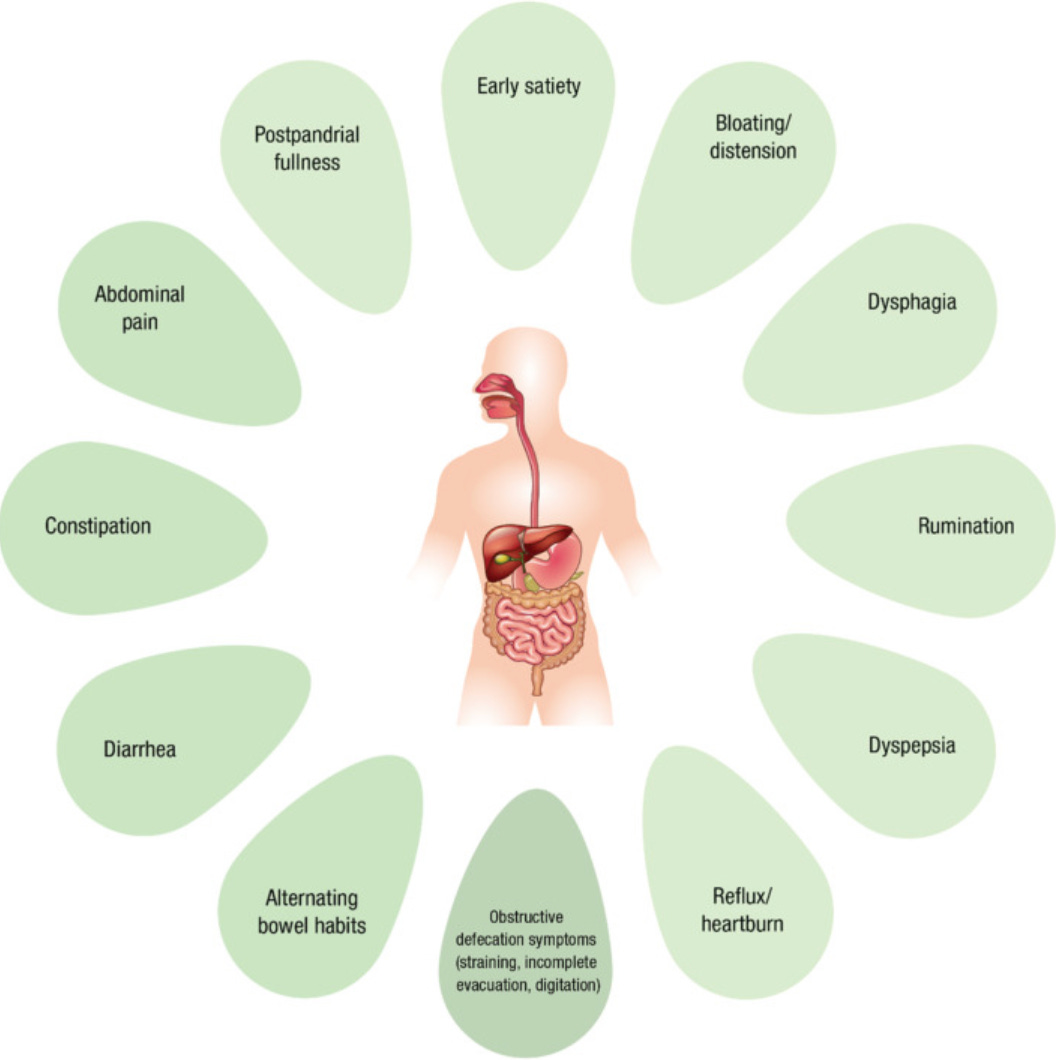
Feeling overly full after eating small amounts can signal delayed stomach emptying or obstruction.
Persistent bloating combined with weight loss or appetite changes should not be dismissed as simple indigestion.
6. Difficulty Swallowing or Food Getting Stuck
Though often associated with the esophagus, advanced stomach or upper digestive tract conditions can cause:
-
Pain when swallowing
-
Food feeling stuck
-
Frequent choking sensation
These symptoms require evaluation, especially in adults over 40.
7. Chronic Fatigue and Weakness
Ongoing stomach bleeding — even slow, unnoticed bleeding — can lead to iron-deficiency anemia.
Symptoms may include:
-
Persistent fatigue
-
Pale skin
-
Shortness of breath
-
Dizziness
If stomach disease progresses to cause chronic blood loss, the body gradually weakens.
8. Sudden Severe Abdominal Pain


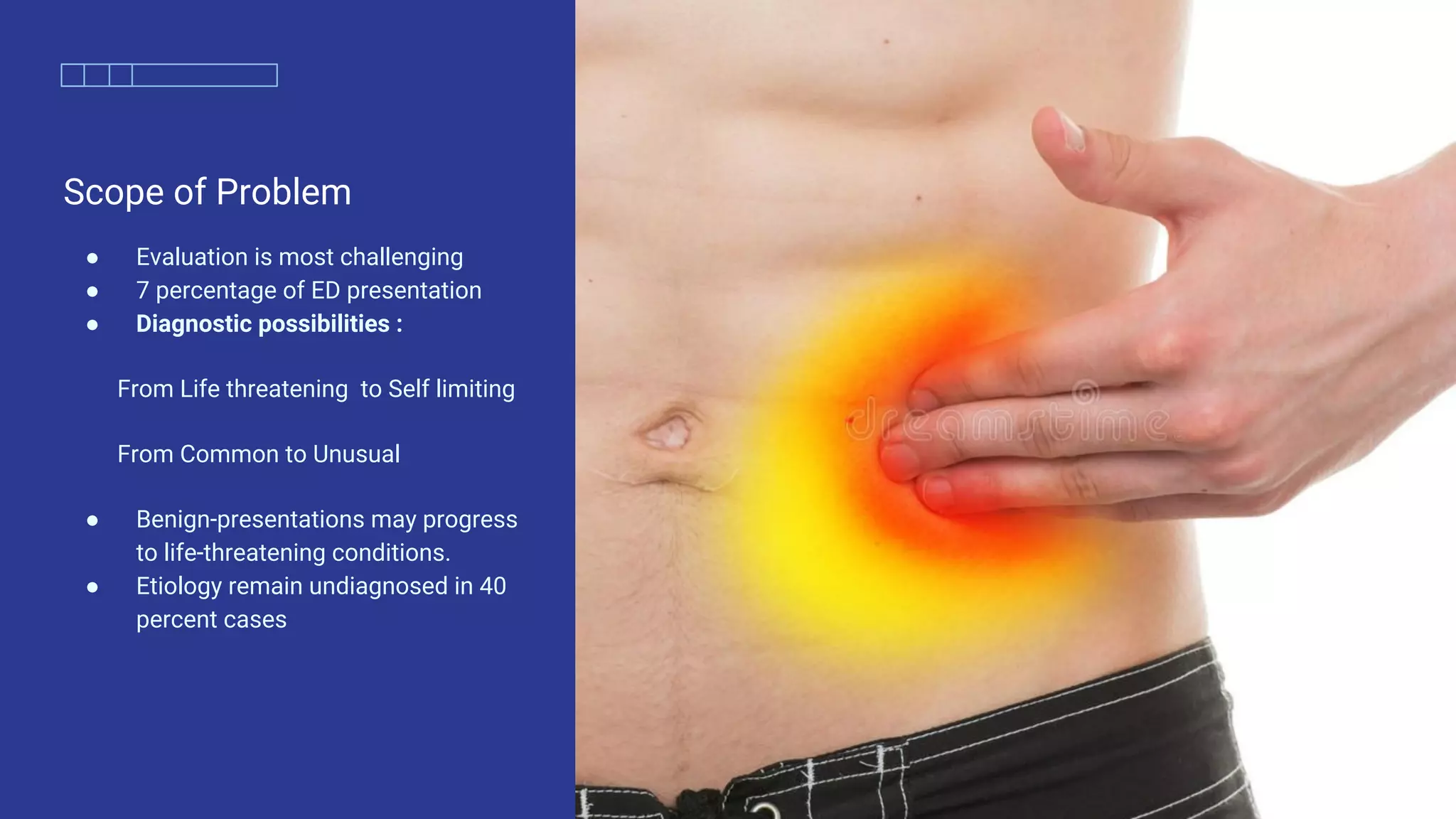
A sudden, intense abdominal pain that feels different from usual discomfort may indicate:
-
Perforated ulcer
-
Severe infection
-
Internal bleeding
This type of pain is often described as unbearable and may be accompanied by sweating, rapid heartbeat, or fainting.
This is a medical emergency.
Common Conditions Behind Severe Stomach Symptoms
Advanced stomach symptoms may be linked to:
-
Chronic gastritis
-
Peptic ulcer disease
-
Helicobacter pylori infection
-
Gastric polyps
-
Stomach cancer
-
Gastrointestinal bleeding disorders
Early stages often produce mild or vague symptoms — which is why people delay seeking care.
Who Is at Higher Risk?
Certain factors increase risk of serious stomach disease:
-
Long-term NSAID use (painkillers)
-
Smoking
-
Excessive alcohol consumption
-
Family history of gastric cancer
-
Chronic stress
-
Untreated H. pylori infection
-
Age over 50
If you fall into these categories, regular medical checkups are especially important.
When Should You See a Doctor?
Seek medical attention promptly if you experience:
-
Symptoms lasting more than 2 weeks
-
Blood in vomit or stool
-
Rapid weight loss
-
Persistent vomiting
-
Severe abdominal pain
-
Fatigue with unknown cause
Early detection dramatically improves treatment outcomes.
How Are Severe Stomach Conditions Diagnosed?
Doctors may use:
-
Endoscopy
-
Biopsy
-
CT scan
-
Blood tests
-
Stool analysis
Endoscopy is particularly valuable because it allows direct visualization of the stomach lining and detection of ulcers, inflammation, or tumors.
Prevention and Protective Measures
While not all stomach diseases are preventable, you can reduce risk by:
-
Limiting alcohol
-
Avoiding smoking
-
Taking NSAIDs cautiously
-
Treating H. pylori infections
-
Maintaining a balanced diet
-
Managing stress
-
Getting routine screenings if high-risk
Final Thoughts
Many serious stomach conditions begin quietly. Mild discomfort may be easy to ignore — until symptoms become severe.
Your body sends signals for a reason. Persistent pain, unexplained weight loss, bleeding, or ongoing digestive distress should never be dismissed as “just indigestion.”
Early medical evaluation can mean the difference between simple treatment and life-threatening complications.
If something feels wrong — don’t wait. Early action saves lives.