If You Have These Painful Red Bumps on Your Hands, Here’s What They Could Mean
Painful red bumps on the skin may signal several common conditions.
⏱️ 1 min read 24/08/2026 23:44
Seeing something that looks like a worm in a child's vomit can be deeply frightening for any parent. The situation shown in the image is especially alarming: an 8-year-old child is reportedly experiencing repeated vomiting, with worm-like material appearing in the vomit every few days.
Although a picture alone cannot determine what the material actually is, intestinal parasites can sometimes be visible in vomit, particularly when a child has a heavy infection with certain types of roundworms.
At the same time, not every thread-like or moving-looking object found in vomit is necessarily a parasite. Food fibers, mucus, partially digested food, and other materials can sometimes look surprisingly similar.
The safest response is not to guess from an image, but to understand the possible causes and seek appropriate medical evaluation.
Yes. Although it is uncommon, certain intestinal parasites can occasionally migrate into the upper digestive tract and be expelled through the mouth.
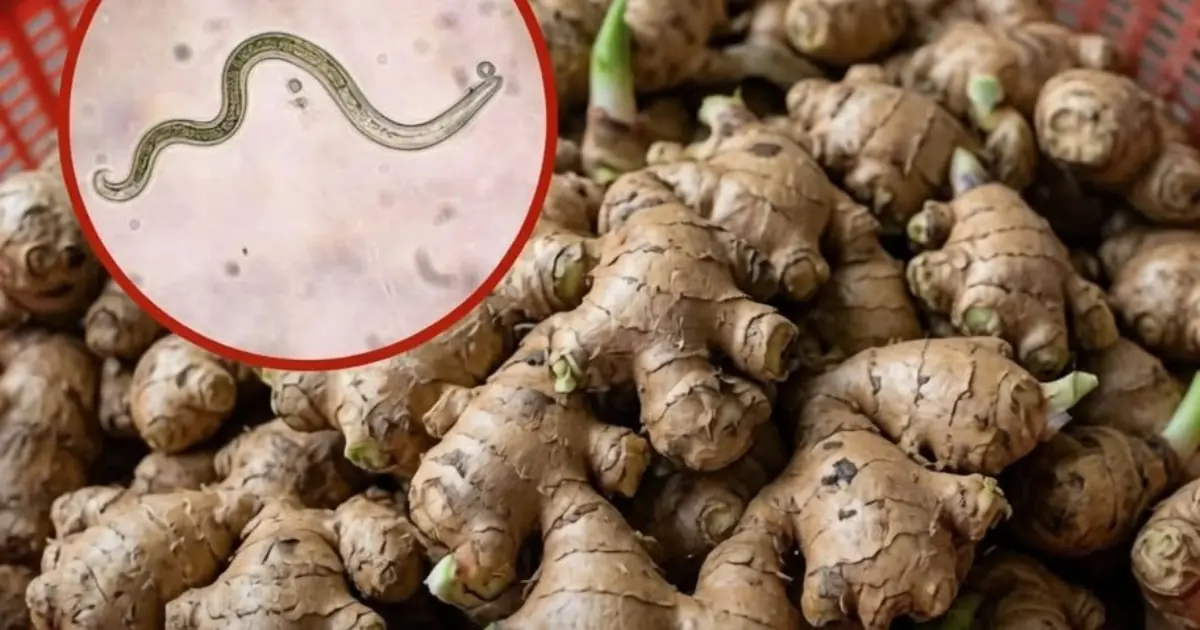
One important example is Ascaris lumbricoides, commonly known as the human roundworm.
These parasites can live in the small intestine. Adult worms can grow to considerable lengths, making them recognizable as long, pale, cylindrical organisms.
In some cases of heavy infection, worms may move into areas such as the stomach or esophagus and can potentially be expelled through vomiting.
This is unusual, but it is medically possible.
A child repeatedly vomiting material that appears to be a worm should therefore be evaluated by a healthcare professional rather than assuming it is simply food.
Ascaris infections are transmitted through microscopic eggs.
The eggs can contaminate soil, food, water, or hands in areas where sanitation is inadequate. A child can accidentally ingest the eggs after touching contaminated soil or surfaces and then touching their mouth.
The infection can also occur when produce is contaminated and not adequately washed.
Once swallowed, the parasite's life cycle is surprisingly complex.
The eggs hatch in the intestine, and immature larvae can travel through the body before eventually returning to the digestive tract and developing into adult worms.
This migration is one reason the infection can sometimes produce symptoms beyond the digestive system.
Some people with intestinal parasites have few or no symptoms.
Others may develop:
Abdominal pain
Nausea
Vomiting
Loss of appetite
Diarrhea
Constipation
Bloating
Fatigue
Poor weight gain in children
A heavy infection can become much more serious.
Large numbers of worms may cause intestinal obstruction, which can result in severe abdominal pain, repeated vomiting, abdominal swelling, and inability to pass stool or gas.
In children, significant parasitic infections can also contribute to nutritional problems and impaired growth.
A child with repeated vomiting and significant abdominal symptoms should not be treated casually at home.
Vomiting every few days is not normal for a healthy child.
There are many possible causes, including viral infections, food intolerance, gastrointestinal disorders, migraine-associated vomiting, medication effects, and infections.
A parasitic infection is only one possibility.
When vomiting repeatedly occurs alongside unusual material in the vomit, doctors may want to determine whether the material is actually a parasite.
If possible, taking a clear photograph or safely preserving the specimen according to medical advice can help with identification.
Parents should not attempt to handle or manipulate a suspected parasite unnecessarily.
Adult Ascaris worms are generally long, cylindrical, and pale cream or pinkish in color.
They can resemble earthworms, although their appearance is different under closer examination.
Other intestinal parasites look very different.
For example, pinworms are small and thread-like, while tapeworm infections may produce segments rather than one long cylindrical worm.
This is why simply looking at an object in vomit is not enough to determine the species.
Laboratory identification is far more reliable than internet comparisons.
Yes, certain parasitic infections can cause gastrointestinal symptoms, including nausea and vomiting.
In a heavy roundworm infection, the physical presence of many worms can interfere with normal intestinal function.
In rare situations, an obstruction can develop.
A child with a possible intestinal obstruction may experience:
Severe or cramping abdominal pain
Repeated vomiting
A swollen or distended abdomen
Inability to pass stool or gas
Increasing weakness
These symptoms can represent a medical emergency.
A child experiencing severe abdominal pain and persistent vomiting should receive prompt medical assessment.
This point is extremely important when interpreting viral health images.
Food can take unusual forms after digestion.
Stringy vegetables, banana fibers, noodles, mucus, partially digested meat, and other food materials can appear worm-like.
The digestive tract also produces mucus, which can sometimes appear as long, translucent strands.
Therefore, seeing something unusual in vomit does not automatically prove that a person has a parasitic infection.
Doctors may use stool testing, blood tests, imaging, or direct examination of a specimen to determine what is happening.
If a doctor suspects an intestinal worm infection, they may request a stool examination.
Depending on the suspected parasite, laboratory testing can look for parasite eggs, larvae, or other identifying features.
In some cases, imaging may be necessary, particularly when there are symptoms suggesting intestinal obstruction or another complication.
If an actual worm has been expelled, healthcare professionals may sometimes examine the specimen directly.
The treatment depends on the organism involved.
Different parasites require different medications, so taking a random deworming drug without knowing the cause is not always appropriate.
Preventing intestinal parasite infections begins with basic hygiene.
Children should be encouraged to:
Wash their hands thoroughly with soap and water, particularly before eating and after using the bathroom.
Wash fruits and vegetables carefully before eating them.
Avoid putting dirty hands or objects into their mouths.
Wear footwear in environments where contaminated soil may be present.
Use safe drinking water.
Maintain clean bathroom and sanitation practices.
These measures are especially important in areas where soil-transmitted parasitic infections are more common.
Some parasites can be associated with animals, but the situation is more complicated than simply saying that pets “cause worms.”
Dogs and cats can carry certain parasites, and appropriate veterinary care—including recommended deworming and fecal testing when indicated—can help reduce risks.
Children should also wash their hands after handling animals or cleaning pet areas.
However, the specific parasite matters.
Not every worm found in an animal can infect humans, and human parasitic infections have different transmission routes.
Repeated vomiting alone deserves medical attention if it persists.
Urgent evaluation becomes particularly important when a child develops:
Severe or worsening abdominal pain
A swollen or hard abdomen
Repeated vomiting with inability to keep fluids down
Blood in vomit or stool
Green or dark vomit
High fever with significant illness
Extreme sleepiness or confusion
Signs of dehydration
Very little urination
Difficulty breathing
A suspected intestinal obstruction
A child who becomes difficult to wake, severely dehydrated, or extremely weak requires urgent medical care.
Parents should not wait for a suspected worm to appear again before seeking help.
Finding worm-like material in a child's vomit can be frightening, but the image alone cannot establish what the material is or what caused the vomiting.
Certain intestinal parasites, particularly Ascaris roundworms, can occasionally be expelled through the mouth, especially in heavy infections. These infections can cause abdominal symptoms and, in severe cases, intestinal obstruction or other complications.
But not every worm-like object is actually a parasite. Food fibers, mucus, and partially digested food can look remarkably similar.
The most important message for parents is simple:
Repeated vomiting in a child should not be ignored.
If unusual material appears in the vomit, seek medical advice and, if possible, document what you observed without unnecessarily handling it. A healthcare professional can determine whether parasite testing or other investigations are necessary.
With proper diagnosis and treatment, many intestinal parasitic infections can be effectively managed.
What looks terrifying in a photograph may have a straightforward explanation—but when a child is repeatedly vomiting, the cause deserves real medical attention rather than an internet diagnosis.
Painful red bumps on the skin may signal several common conditions.
If You Sleep on Your Right Side, Your Body May Respond in Unexpected Ways… 👀
These Bruises May Look Harmless, But Here’s When They Deserve Medical Attention… 👀
Experts explain the surprising benefits and risks of walking barefoot.
Don’t Just Scratch It Away: 9 Itching Patterns That Deserve a Closer Look 👀
Don’t Just Flush and Forget: 6 Bathroom Signs Worth Paying Attention To
What Really Happens When You Start Eating Avocados Regularly? See More 👇
Don’t Ignore These 8 Signs Your Kidneys May Not Be Working Properly
If Peeing in the Shower Is Part of Your Routine, You’ll Want to Read This… 😳
If Your Veins Suddenly Become More Visible or Change Color, It May Be Worth Paying Attention...
Think Cashews Are Always Good for You? Doctors Say There’s More to Know… 😳👇
Snake bi.te - don't panic, do the following
Doctors say eating boiled eggs in the morning may help you...
Guava Isn’t Just a Healthy Fruit—Here’s What Doctors Want You to Know 👇
Doctors are raising concerns about certain vegetables linked to dangerous health risks when improperly stored or cooked.
A 65-year-old woman di.ed suddenly at dawn - doctors say her bedtime habits were the real kil.ler
Looking for a Healthy Sweet Snack? Try This Vitamin C Powerhouse
The Most Parasite-Contaminated Vegetable? Experts Warn About Hidden Risks see the frist comment
Found a Lump on Your Neck? Here's What Doctors Want You to Know
Rare square waves may look beautiful, but they can signal danger.
Painful red bumps on the skin may signal several common conditions.
A Golden Retriever's Instincts Left New Parents Speechless
If You Sleep on Your Right Side, Your Body May Respond in Unexpected Ways… 👀
These Bruises May Look Harmless, But Here’s When They Deserve Medical Attention… 👀
Experts explain the surprising benefits and risks of walking barefoot.
Don’t Just Scratch It Away: 9 Itching Patterns That Deserve a Closer Look 👀
Don’t Just Flush and Forget: 6 Bathroom Signs Worth Paying Attention To
What Really Happens When You Start Eating Avocados Regularly? See More 👇
Don’t Ignore These 8 Signs Your Kidneys May Not Be Working Properly
That fabric strip on hotel beds actually has several clever uses.
If Peeing in the Shower Is Part of Your Routine, You’ll Want to Read This… 😳
If Your Veins Suddenly Become More Visible or Change Color, It May Be Worth Paying Attention...
Think Cashews Are Always Good for You? Doctors Say There’s More to Know… 😳👇
Snake bi.te - don't panic, do the following
Doctors say eating boiled eggs in the morning may help you...
Guava Isn’t Just a Healthy Fruit—Here’s What Doctors Want You to Know 👇
Doctors are raising concerns about certain vegetables linked to dangerous health risks when improperly stored or cooked.
A 65-year-old woman di.ed suddenly at dawn - doctors say her bedtime habits were the real kil.ler