
9 Diabetes Warning Signs Many People Overlook Until It's Too Late
9 Warning Signs of Diabetes You Shouldn't Ignore
Diabetes is one of the most common chronic health conditions worldwide, affecting millions of people. It develops when the body either doesn't produce enough insulin or cannot effectively use the insulin it produces, causing blood sugar levels to rise.
The challenge is that diabetes often develops gradually, and many people may not realize they have it until complications begin to appear. Fortunately, the body often sends warning signals long before a diagnosis is made.
Recognizing these early signs can help you seek medical attention sooner and potentially prevent serious health problems.
1. Frequent Urination
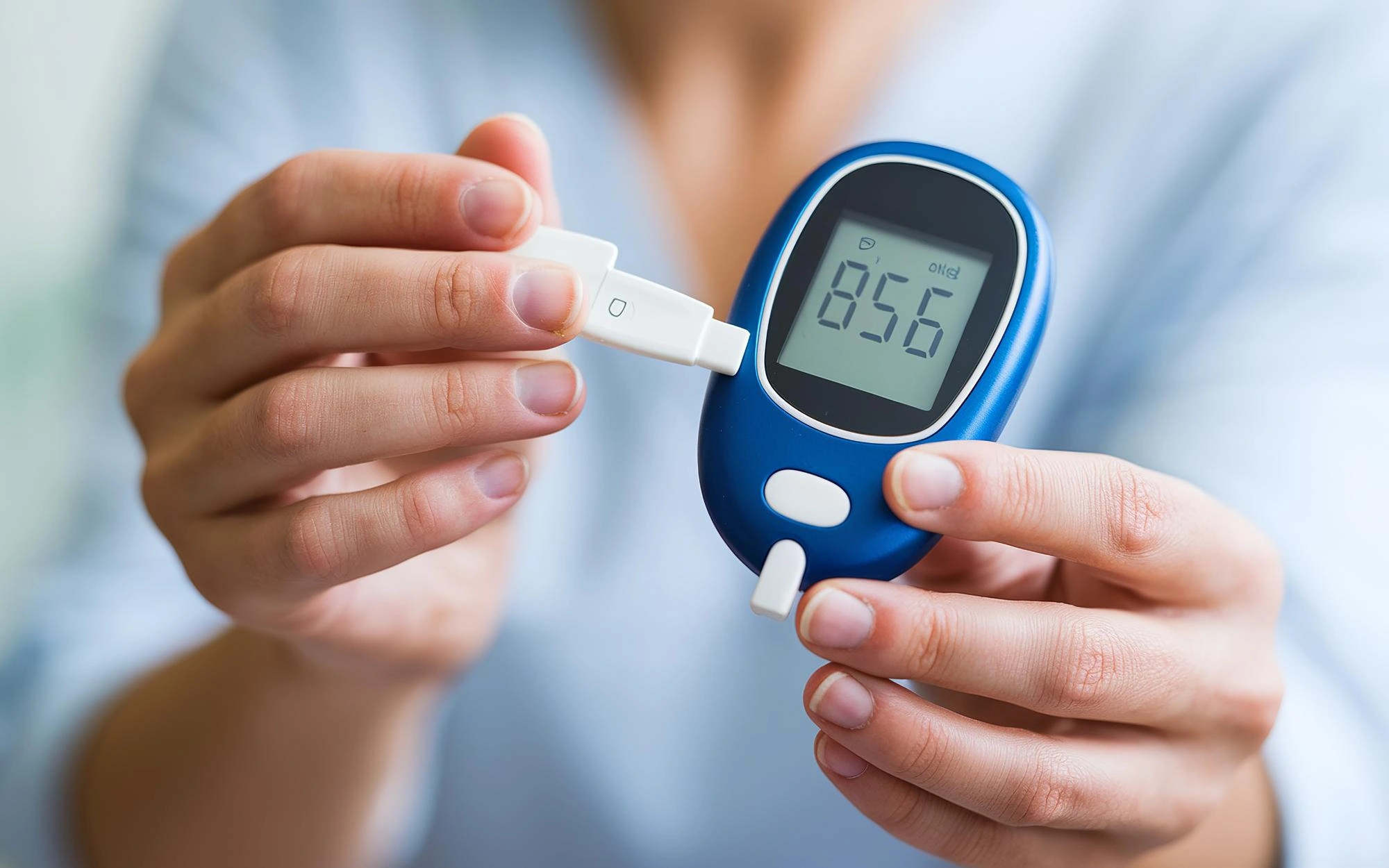
One of the earliest and most common signs of diabetes is needing to urinate more often than usual, especially during the night.
When blood sugar levels become too high, the kidneys work harder to remove excess glucose from the bloodstream. This process causes the body to produce more urine, leading to frequent trips to the bathroom.
2. Increased Thirst
If you're constantly thirsty no matter how much water you drink, it could be related to elevated blood sugar levels.
Frequent urination causes the body to lose fluids, which can trigger persistent thirst as your body attempts to replace what has been lost.
3. Unexplained Weight Loss
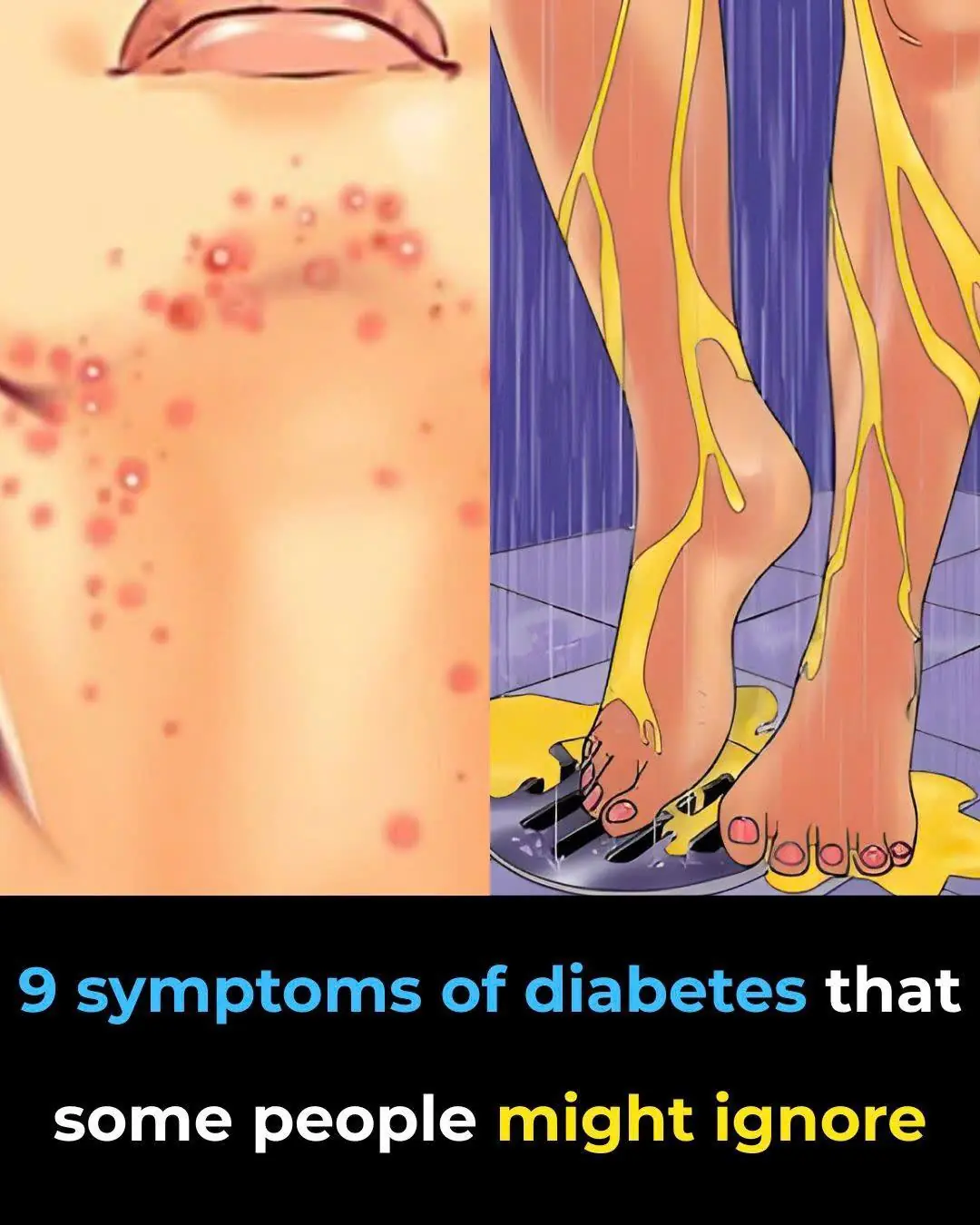
Losing weight without changing your diet or exercise habits may sound appealing, but it can sometimes be a warning sign of diabetes.
When the body cannot properly use glucose for energy, it begins breaking down fat and muscle tissue instead, leading to unexpected weight loss.
4. Constant Hunger
Even after eating a full meal, some people with diabetes continue to feel hungry.
Because glucose is not effectively entering the body's cells, the cells may signal that they need more energy, creating feelings of persistent hunger.
5. Fatigue and Low Energy
Feeling tired occasionally is normal. However, ongoing fatigue that doesn't improve with rest may indicate a problem with blood sugar regulation.
Without adequate glucose reaching the cells, the body may struggle to produce the energy needed for daily activities.
6. Blurred Vision
High blood sugar levels can affect the tiny blood vessels in the eyes and alter fluid levels within the eye.
As a result, vision may become blurry, making it difficult to focus on objects clearly. In some cases, vision changes may come and go.
7. Slow-Healing Cuts and Wounds
People with diabetes may notice that minor cuts, scrapes, or bruises take longer to heal.
Elevated blood sugar can impair circulation and weaken the body's natural healing processes, making recovery slower than usual.
8. Tingling or Numbness in the Hands and Feet
High blood sugar can gradually damage nerves throughout the body.
Many individuals experience tingling, burning sensations, numbness, or pain in their hands, feet, fingers, or toes. These symptoms often develop slowly and may worsen over time if blood sugar remains uncontrolled.
9. Frequent Infections
Repeated infections may be another warning sign of diabetes.
High blood sugar can weaken the immune system and create an environment where bacteria and fungi thrive more easily. Some people experience frequent skin infections, urinary tract infections, or yeast infections.
Who Is at Higher Risk?
Certain factors may increase the likelihood of developing diabetes, including:
- Being overweight or obese
- Having a family history of diabetes
- Leading a sedentary lifestyle
- High blood pressure
- High cholesterol levels
- Being over the age of 45
- A history of gestational diabetes during pregnancy
Even individuals without these risk factors can develop diabetes, making awareness of symptoms important for everyone.
When Should You See a Doctor?
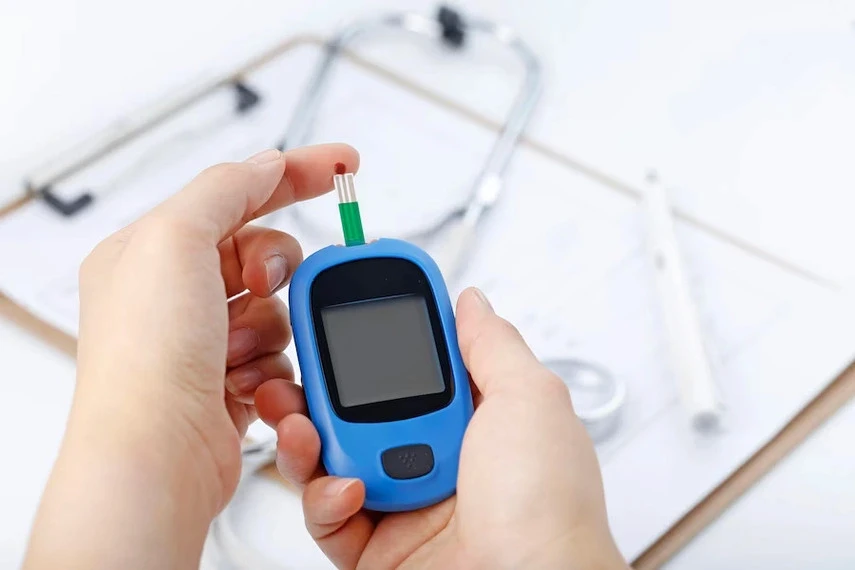
If you experience one or more of these symptoms consistently, it's a good idea to schedule a medical evaluation.
A simple blood test can help determine whether your blood sugar levels are within a healthy range and identify potential problems before serious complications occur.
Tips for Reducing Your Risk
While not all cases of diabetes can be prevented, healthy lifestyle habits can significantly reduce risk:
- Maintain a healthy weight.
- Stay physically active.
- Eat a balanced diet rich in vegetables, fruits, lean proteins, and whole grains.
- Limit sugary beverages and highly processed foods.
- Get adequate sleep.
- Manage stress effectively.
- Attend regular health checkups.
Final Thoughts
Diabetes often develops quietly, but the body frequently provides warning signs that something may be wrong. Symptoms such as excessive thirst, frequent urination, fatigue, blurred vision, and slow-healing wounds should never be ignored.
The earlier diabetes is detected, the better the chances of managing it successfully and avoiding long-term complications. Paying attention to your body today could make a significant difference in your health tomorrow.
News in the same category


Top Signs of Iron Deficiency and How To Increase Iron Levels In Your Blood

Waking Up and Noticing This Sign? Donāt Ignore ItāSee a Doctor Promptly
Many serious illnesses do not begin with dramatic pain or sudden collapse. Instead, they often start with subtle, persistent changes that appear easy to dismissāespecially when they show up in the morning and fade throughout the day.

Morning Warning: Spot This Sign When You Wake Up? Donāt Ignore ā It May Signal C.a.n.cer
Many serious illnesses do not begin with dramatic pain or sudden collapse. Instead, they often start with subtle, persistent changes that appear easy to dismissāespecially when they show up in the morning and fade throughout the day.

9 foods with natural anti-can.cer prop.erties, eat regularly and can.cer cells will "not have a chance to visit"

There is no medicine as benign as the substances in food
A Persistent Sore Throat, A Late Diagnosis: What This Case Teaches Us About Thyroid Cancer and Everyday Risk Factors

No matter how delicious it is, you can't eat it again

Donāt Ignore These 3 Hand Clues of Possible Liver Trouble
Liver failure is a serious medical condition that can develop gradually or suddenly and requires timely diagnosis and treatment to prevent life-threatening complications.

3 Hand Signs That May Signal Liver Failure ā Even 1 Is a Reason to See a Doctor Immediately!
Liver failure is a serious medical condition that can develop gradually or suddenly and requires timely diagnosis and treatment to prevent life-threatening complications.

7 benefits of sleeping on your left side
How Sleeping on Your Left Side Affects Your Brain, Stomach, and Glymphatic Health

What happens to your body when you sleep on your left side?
How Sleeping on Your Left Side Affects Your Brain, Stomach, and Glymphatic Health

4 signs parents need to understand to save their children

One Year Before Death, the Body Often Shows 6 Warning Signs

6 Warning Signs the Body May Show About a Year Before Death

5 Surprising Symptoms That May Occur When Parasites Overgrow in the Body
Parasites Don't Always Stay SilentāHere Are 5 Ways Your Body May Respond š³

Woman Diagnosed With Stage 4 Colon Can.cer Warns Others About 5 Symptoms She Ignored
Experts urge people not to ignore these symptoms.

7 Changes in Your Body That Could Be Early Signs of Thyroid Cancer
Recognizing These 7 Symptoms Early Could Make a Difference š

The Surprising Ways Sweet Potatoes May Support Your Body and Well-Being
Eat More Sweet Potatoes? Here Are the Unexpected Benefits You Could Experience š š²
News Post

He Ate One Clove of Garlic Every Morning for 6 Months ā Hereās What Science Says Could Happen

Top Signs of Iron Deficiency and How To Increase Iron Levels In Your Blood

Waking Up and Noticing This Sign? Donāt Ignore ItāSee a Doctor Promptly
Many serious illnesses do not begin with dramatic pain or sudden collapse. Instead, they often start with subtle, persistent changes that appear easy to dismissāespecially when they show up in the morning and fade throughout the day.

Morning Warning: Spot This Sign When You Wake Up? Donāt Ignore ā It May Signal C.a.n.cer
Many serious illnesses do not begin with dramatic pain or sudden collapse. Instead, they often start with subtle, persistent changes that appear easy to dismissāespecially when they show up in the morning and fade throughout the day.

9 foods with natural anti-can.cer prop.erties, eat regularly and can.cer cells will "not have a chance to visit"

There is no medicine as benign as the substances in food
A Persistent Sore Throat, A Late Diagnosis: What This Case Teaches Us About Thyroid Cancer and Everyday Risk Factors

No matter how delicious it is, you can't eat it again

Donāt Ignore These 3 Hand Clues of Possible Liver Trouble
Liver failure is a serious medical condition that can develop gradually or suddenly and requires timely diagnosis and treatment to prevent life-threatening complications.

3 Hand Signs That May Signal Liver Failure ā Even 1 Is a Reason to See a Doctor Immediately!
Liver failure is a serious medical condition that can develop gradually or suddenly and requires timely diagnosis and treatment to prevent life-threatening complications.

7 benefits of sleeping on your left side
How Sleeping on Your Left Side Affects Your Brain, Stomach, and Glymphatic Health

What happens to your body when you sleep on your left side?
How Sleeping on Your Left Side Affects Your Brain, Stomach, and Glymphatic Health

6-Year-Old Son Woke Up Having a Stroke: A Doctor Emphasizes 4 Critical Signs Parents Must Recognize to Save a Childās Life

4 signs parents need to understand to save their children

One Year Before Death, the Body Often Shows 6 Warning Signs

6 Warning Signs the Body May Show About a Year Before Death

5 Surprising Symptoms That May Occur When Parasites Overgrow in the Body
Parasites Don't Always Stay SilentāHere Are 5 Ways Your Body May Respond š³

Woman Diagnosed With Stage 4 Colon Can.cer Warns Others About 5 Symptoms She Ignored
Experts urge people not to ignore these symptoms.

7 Changes in Your Body That Could Be Early Signs of Thyroid Cancer
Recognizing These 7 Symptoms Early Could Make a Difference š