
This Small Travel Habit Can Make a Big Difference for Your Luggage
Airport Employees Reveal the One Thing They Wish Passengers Would Stop Doing… 👇
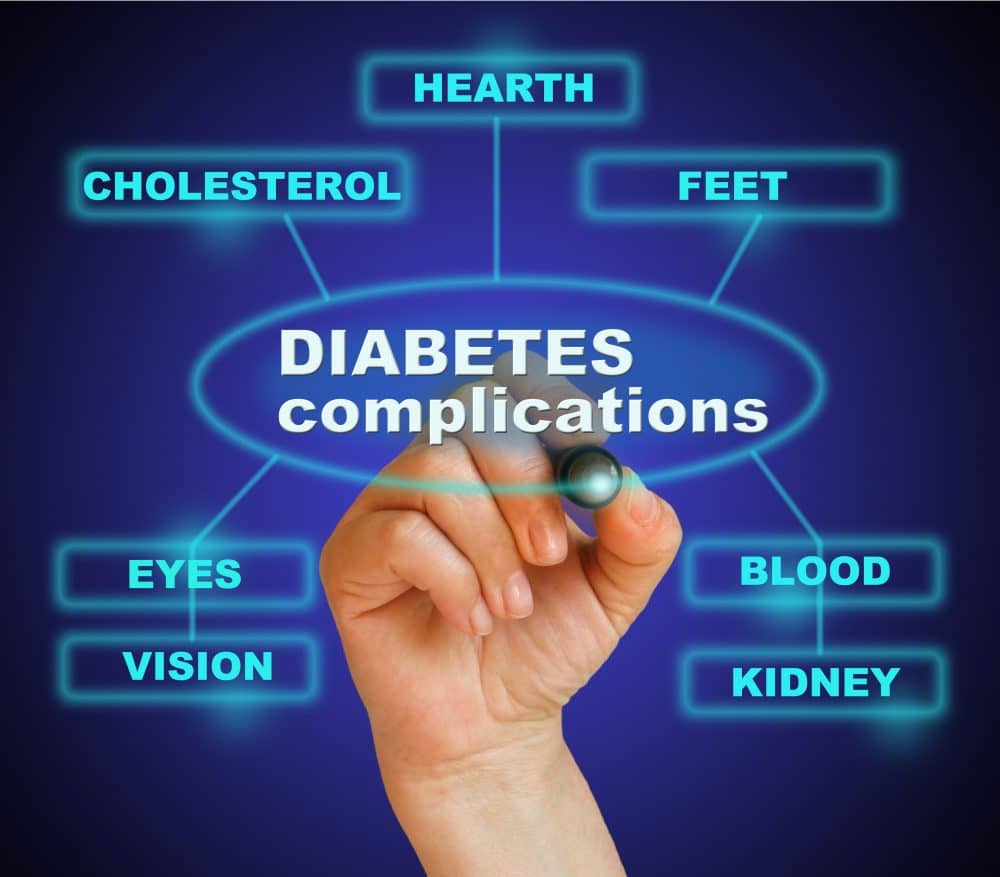
Diabetes is one of the most common chronic health conditions worldwide, affecting millions of people. One of the biggest challenges with diabetes is that it often develops gradually, with symptoms that can be subtle and easy to overlook.
Many people live with elevated blood sugar levels for months or even years before receiving a diagnosis. Recognizing the early warning signs may help individuals seek medical evaluation sooner and potentially prevent complications.
Here are nine early signs of diabetes that are commonly missed.
One of the earliest and most common signs of diabetes is needing to urinate more often than usual.
When blood sugar levels become too high, the kidneys work harder to remove excess glucose from the bloodstream. This process causes the body to produce more urine.
You may notice:
While frequent urination can have many causes, persistent changes should not be ignored.
Because frequent urination causes the body to lose fluids, many people experience excessive thirst.
Even after drinking water, you may continue to feel thirsty.
This cycle of increased urination and increased thirst is one of the classic signs associated with diabetes.
Do you often feel tired despite getting enough sleep?
High blood sugar can interfere with the body's ability to use glucose efficiently for energy.
As a result, people may experience:
Fatigue is common and can have many causes, but when combined with other symptoms, it may deserve attention.
Elevated blood sugar levels can affect fluid balance within the eyes.
Some people notice:
These changes may come and go as blood sugar levels fluctuate.
Because vision problems can result from numerous conditions, an eye examination is always recommended if symptoms occur.
High blood sugar may affect circulation and the body's natural healing processes.
As a result, minor cuts, scrapes, or bruises may take longer to heal than expected.
Persistent wounds should always be evaluated by a healthcare professional.

People with elevated blood sugar levels may be more susceptible to infections.
Examples include:
High glucose levels can create an environment that allows certain microorganisms to thrive more easily.
Over time, elevated blood sugar can affect the nerves, a condition known as diabetic neuropathy.
Early symptoms may include:
These symptoms often begin in the feet but can also affect the hands.
Despite eating normally—or even eating more than usual—some people with diabetes experience persistent hunger.
This occurs because the body's cells may have difficulty accessing glucose efficiently, leaving the brain to interpret the situation as a lack of available energy.
You may feel hungry shortly after meals or find yourself craving food more frequently.

Although some individuals gain weight before being diagnosed with diabetes, others experience unexpected weight loss.
When the body cannot effectively use glucose for energy, it may begin breaking down fat and muscle tissue instead.
Losing weight without trying should always be discussed with a healthcare provider.
Certain factors can increase the likelihood of developing type 2 diabetes, including:
However, diabetes can affect people of all ages and body types.
Untreated diabetes can increase the risk of serious health complications, including:
The good news is that early diagnosis and proper management can significantly reduce these risks.
Consider speaking with a healthcare professional if:
🚨 You experience several of these symptoms at the same time
🚨 Symptoms persist for weeks or months
🚨 You have risk factors for diabetes
🚨 You notice unexplained changes in weight, thirst, urination, or energy levels
A simple blood test can often help determine whether blood sugar levels are within a healthy range.
While medical advice should always be personalized, healthy habits that may support blood sugar control include:
✅ Eating a balanced diet
✅ Staying physically active
✅ Maintaining a healthy weight
✅ Getting adequate sleep
✅ Managing stress
✅ Attending regular health screenings
Diabetes often develops quietly, and its early symptoms can be easy to dismiss as everyday inconveniences. Frequent urination, excessive thirst, fatigue, blurred vision, slow-healing wounds, infections, tingling sensations, increased hunger, and unexplained weight loss may all be potential warning signs.
Experiencing one symptom alone does not necessarily mean you have diabetes. However, recognizing these patterns and seeking medical advice when symptoms persist can help identify problems early and improve long-term health outcomes.
Sometimes the body's earliest warnings are also the easiest to miss.
Airport Employees Reveal the One Thing They Wish Passengers Would Stop Doing… 👇

Your Feet May Reveal More About Your Health Than You Realize… 👣👇







Many People Ignore These Bruises Until It's Too Late… Don't Make the Same Mistake 👇

You Might Be Overeating Peanuts Without Realizing It—Here's What to Watch For 👇

He Ignored This Tiny Mole for 20 Years—The Diagnosis Left Doctors Concerned...







Airport Employees Reveal the One Thing They Wish Passengers Would Stop Doing… 👇

Your Feet May Reveal More About Your Health Than You Realize… 👣👇

Many People Ignore These Bruises Until It's Too Late… Don't Make the Same Mistake 👇
You Might Be Overeating Peanuts Without Realizing It—Here's What to Watch For 👇
He Ignored This Tiny Mole for 20 Years—The Diagnosis Left Doctors Concerned...

The colors we're naturally drawn to, the styles we admire, and even the small details we choose to express ourselves may offer subtle clues about how we see the world.