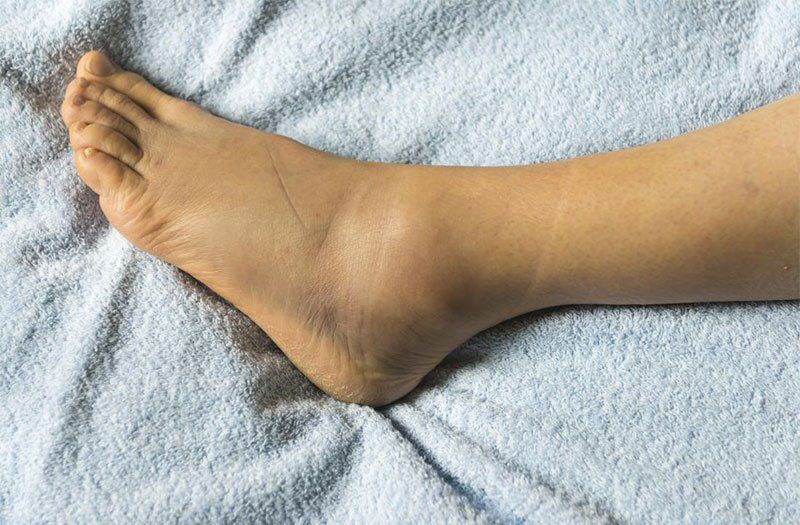
Swelling in the feet, ankles, and legs is a common concern that affects millions of people worldwide. After a long day of standing, sitting for extended periods, traveling, or exercising, many people notice that their shoes feel tighter or their legs feel heavy and uncomfortable.
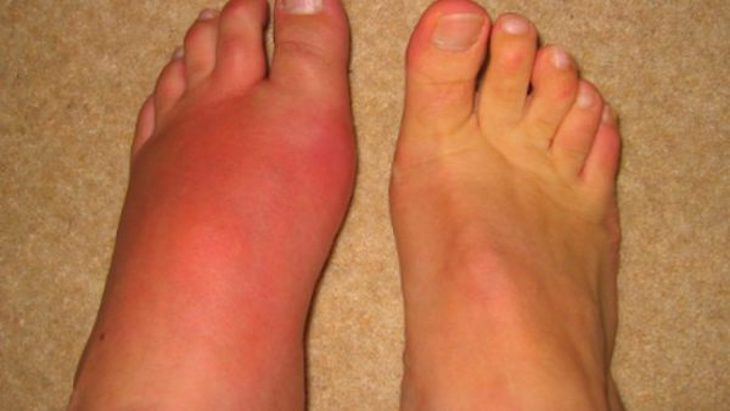
Occasional swelling is often harmless and temporary. However, persistent or severe swelling—also known as peripheral edema—can sometimes signal an underlying medical condition such as heart disease, kidney disease, liver disease, chronic venous insufficiency, or problems with the lymphatic system. That's why ongoing or unexplained swelling should always be evaluated by a healthcare professional.
While nutrition alone cannot cure edema, a well-balanced diet rich in key nutrients may help support healthy circulation, maintain normal fluid balance, and promote overall vascular health. Combined with regular physical activity, proper hydration, and medical care when needed, these nutrients can be an important part of maintaining healthy legs.
Here are nine essential nutrients that may help support healthy legs and reduce fluid retention as part of an overall healthy lifestyle.
Understanding Fluid Retention
Your body constantly regulates the movement of fluids between blood vessels and surrounding tissues. Normally, excess fluid is removed through the lymphatic system and filtered by the kidneys.
Swelling may occur when this balance is disrupted.
Common temporary causes include:
-
Standing for long periods
-
Sitting during long flights or car rides
-
Hot weather
-
Pregnancy
-
High sodium intake
-
Minor injuries
Medical conditions that may contribute include:
-
Chronic venous insufficiency
-
Heart failure
-
Kidney disease
-
Liver disease
-
Lymphedema
-
Certain medications
Because swelling has many possible causes, identifying the underlying reason is essential.
1. Potassium
Potassium is one of the most important minerals involved in maintaining normal fluid balance.
It helps regulate:
-
Fluid movement inside and outside cells
-
Muscle function
-
Nerve signaling
-
Healthy blood pressure
A diet low in potassium and high in sodium may contribute to fluid retention in some individuals.
Good food sources include:
-
Bananas
-
Sweet potatoes
-
Spinach
-
Avocados
-
White beans
-
Yogurt
-
Tomatoes
Important Note
People with kidney disease should not increase potassium intake without medical advice, as excessive potassium can become dangerous when kidney function is reduced.
2. Magnesium
Magnesium participates in more than 300 biochemical reactions throughout the body.
It supports:
-
Muscle relaxation
-
Normal nerve function
-
Healthy blood vessel function
-
Energy production
Some studies suggest that adequate magnesium intake may help reduce mild water retention associated with certain conditions, although more research is needed.
Magnesium-rich foods include:
-
Pumpkin seeds
-
Almonds
-
Cashews
-
Black beans
-
Spinach
-
Whole grains
-
Dark leafy greens
3. Vitamin C
Vitamin C is best known for supporting the immune system, but it also plays an essential role in collagen production.
Collagen helps maintain the strength and flexibility of:
-
Blood vessels
-
Skin
-
Connective tissues
Healthy blood vessels may help support normal circulation.
Vitamin C also acts as an antioxidant, helping protect cells from oxidative stress.
Good sources include:
-
Oranges
-
Strawberries
-
Kiwi
-
Bell peppers
-
Broccoli
-
Brussels sprouts
4. Protein
Protein is often overlooked when discussing fluid balance.
One important blood protein, albumin, helps keep fluid inside blood vessels.
When protein intake is severely inadequate or albumin levels become very low due to illness, fluid may leak into surrounding tissues, contributing to swelling.
Healthy protein sources include:
-
Fish
-
Chicken
-
Eggs
-
Beans
-
Lentils
-
Greek yogurt
-
Tofu
Most healthy adults can meet their protein needs through a varied diet.
5. Omega-3 Fatty Acids
Omega-3 fatty acids are healthy fats found primarily in:
-
Salmon
-
Sardines
-
Mackerel
-
Trout
-
Walnuts
-
Chia seeds
-
Flaxseeds
These fats have been studied for their role in supporting:
-
Heart health
-
Blood vessel function
-
Healthy inflammatory responses
Although omega-3s are not a treatment for edema, they contribute to overall cardiovascular health, which is closely connected to healthy circulation.
6. Vitamin B6
Vitamin B6 helps the body:
-
Metabolize proteins
-
Produce neurotransmitters
-
Support immune function
-
Form red blood cells
Some research has explored whether vitamin B6 may help reduce mild fluid retention related to hormonal changes, particularly before menstruation.
Evidence remains mixed, but ensuring adequate intake is part of a healthy diet.
Food sources include:
-
Chickpeas
-
Tuna
-
Salmon
-
Potatoes
-
Bananas
-
Poultry
7. Flavonoids
Flavonoids are natural plant compounds found in many fruits and vegetables.
Researchers have studied them for their potential effects on:
-
Blood vessel health
-
Circulation
-
Oxidative stress
Foods rich in flavonoids include:
-
Blueberries
-
Citrus fruits
-
Apples
-
Onions
-
Tea
-
Grapes
A colorful, plant-rich diet naturally provides a wide variety of these compounds.
8. Fiber
Although fiber does not directly reduce swelling, it supports several aspects of overall health that influence circulation and fluid balance.
Adequate fiber intake may help:
-
Support healthy digestion
-
Promote a healthy weight
-
Improve metabolic health
-
Maintain stable blood sugar levels
Excellent sources include:
-
Oats
-
Beans
-
Lentils
-
Fruits
-
Vegetables
-
Whole grains
-
Seeds
Most adults consume less fiber than recommended.
9. Water
It may seem surprising, but drinking enough water may actually help reduce mild fluid retention.
When the body becomes dehydrated, it may conserve water more aggressively.
Staying well hydrated supports:
-
Kidney function
-
Normal circulation
-
Healthy fluid balance
The amount of water each person needs varies depending on:
-
Age
-
Climate
-
Activity level
-
Medical conditions
Individuals with heart or kidney disease should follow their healthcare provider's recommendations regarding fluid intake.
Foods That Naturally Provide Several of These Nutrients
Instead of focusing on single nutrients, aim to eat whole foods that offer multiple benefits.
Excellent choices include:
Leafy Greens
Rich in:
-
Potassium
-
Magnesium
-
Vitamin C
-
Fiber
Beans and Lentils
Provide:
-
Protein
-
Fiber
-
Potassium
-
Magnesium
Salmon
Contains:
-
Protein
-
Omega-3 fatty acids
-
Vitamin B6
Citrus Fruits
Offer:
-
Vitamin C
-
Flavonoids
-
Water
Nuts and Seeds
Supply:
-
Magnesium
-
Healthy fats
-
Protein
-
Fiber
Don't Forget About Sodium
While potassium often receives attention, sodium also plays a major role in fluid balance.
Eating excessive amounts of sodium may contribute to fluid retention in some individuals.
Common high-sodium foods include:
-
Processed meats
-
Canned soups
-
Fast food
-
Chips
-
Instant noodles
-
Frozen meals
Rather than eliminating sodium completely, focus on staying within recommended intake levels and choosing fresh, minimally processed foods whenever possible.
Lifestyle Habits That Support Healthy Legs
Nutrition is only one part of the picture.
Healthy habits that may help reduce mild swelling include:
Move Regularly
Walking activates the calf muscles, which help pump blood back toward the heart.
If you sit for long periods:
-
Stand up every hour.
-
Stretch your legs.
-
Walk for a few minutes.
Elevate Your Legs
Raising your legs above heart level for short periods may help encourage fluid to move back toward the upper body.
Wear Compression Stockings
For some people with chronic venous insufficiency or prolonged standing, compression stockings may help improve comfort.
Always consult a healthcare provider before using medical-grade compression garments.
Maintain a Healthy Weight
Excess body weight places additional pressure on the veins in the legs.
Gradual, sustainable weight management may support healthy circulation.
Exercise Regularly
Activities such as:
-
Walking
-
Swimming
-
Cycling
can help promote circulation while supporting overall cardiovascular health.
Who Is More Likely to Experience Swollen Legs?
Swelling is more common in:
-
Older adults
-
Pregnant women
-
People who stand for long periods
-
Individuals with obesity
-
People with chronic venous insufficiency
-
Those taking certain medications, such as calcium channel blockers or corticosteroids
Knowing your risk factors can help you discuss symptoms with your healthcare provider.
When Swelling May Signal a Medical Emergency
Seek immediate medical attention if leg swelling is accompanied by:
-
Sudden shortness of breath
-
Chest pain
-
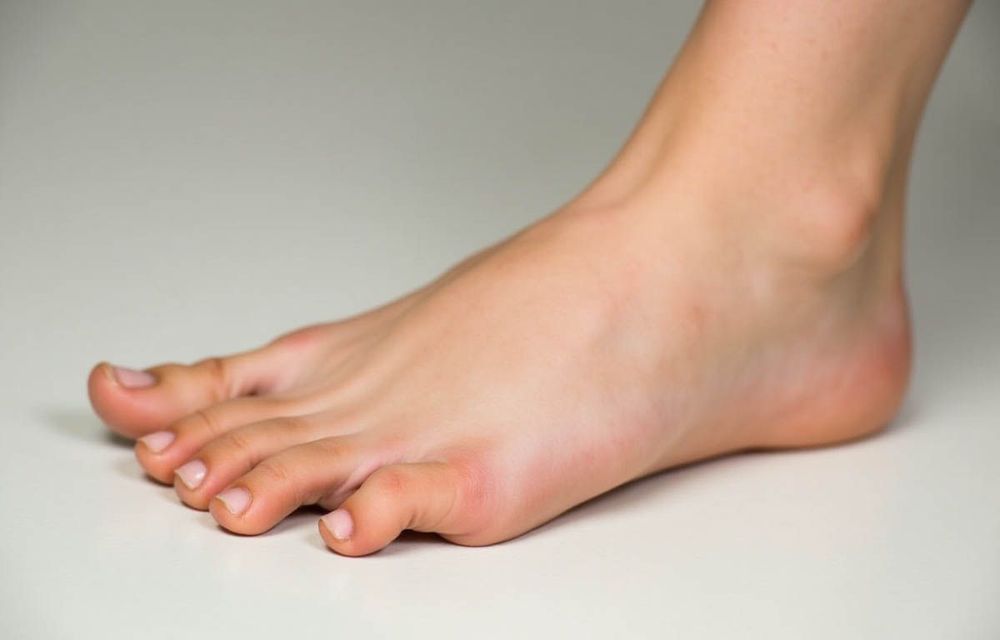
One-sided leg swelling with pain and redness
-
Difficulty breathing
-
Severe calf pain
-
Coughing up blood
These symptoms may indicate conditions such as deep vein thrombosis (DVT) or pulmonary embolism, which require urgent treatment.
When Should You See a Doctor?
Arrange a medical evaluation if swelling:
-
Persists for several days
-
Continues to worsen
-
Occurs frequently without an obvious cause
-
Is associated with skin changes
-
Causes significant discomfort
-
Is accompanied by unexplained weight gain
A healthcare professional can determine whether further testing is needed.
Common Myths About Leg Swelling
Myth 1: Swelling Is Always Caused by Too Much Water
In many cases, swelling results from problems with circulation, blood vessels, medications, or underlying medical conditions—not simply drinking too much water.
Myth 2: Drinking Less Water Always Reduces Swelling
Unless your healthcare provider has recommended fluid restriction, becoming dehydrated may actually make fluid regulation more difficult.
Myth 3: Supplements Can Cure Edema
No vitamin or mineral supplement can cure chronic swelling caused by heart, kidney, liver, or vascular disease.
Nutrients support overall health but should not replace medical evaluation or treatment.
Myth 4: Only Older Adults Get Swollen Legs
People of any age can develop temporary swelling due to pregnancy, injuries, medications, prolonged sitting, or underlying medical conditions.
Building a Leg-Friendly Plate
A balanced meal that supports overall circulation might include:
-
Grilled salmon
-
Steamed spinach
-
Roasted sweet potatoes
-
Mixed berries
-
A handful of walnuts
-
Plenty of water
This combination provides several of the nutrients discussed while fitting into a heart-healthy eating pattern.
The Bottom Line
Healthy legs depend on many factors, including good circulation, balanced fluid regulation, healthy blood vessels, regular movement, and proper nutrition. Nutrients such as potassium, magnesium, vitamin C, protein, omega-3 fatty acids, vitamin B6, flavonoids, fiber, and adequate water may all contribute to these processes as part of a balanced diet.
However, persistent or severe swelling is not something to self-treat with food or supplements alone. It can sometimes be a sign of an underlying medical condition that requires professional evaluation.
Final Thoughts
Swollen feet and legs can be uncomfortable, but in many cases, simple lifestyle habits—such as staying active, limiting excessive sodium, maintaining a healthy weight, elevating your legs when appropriate, and eating a nutrient-rich diet—can help support normal circulation and fluid balance.
Remember that nutrition works best as part of a comprehensive approach to health. If swelling becomes persistent, painful, affects only one leg, or is accompanied by symptoms such as chest pain or shortness of breath, seek medical attention promptly.
A balanced diet filled with colorful fruits, vegetables, whole grains, lean proteins, healthy fats, and plenty of fluids is one of the most effective ways to support your overall health—including the health of your feet and legs—for years to come.