Adding them to your daily or weekly diet can help reduce inflammation, support immunity, and create an environment where abnormal cells have a much harder time developing.
1. Broccoli & Cruciferous Vegetables

Includes: broccoli, cauliflower, kale, cabbage, bok choy
Why good: Rich in sulforaphane, a compound shown to help kill cancer cells and detoxify harmful substances.
2. Garlic
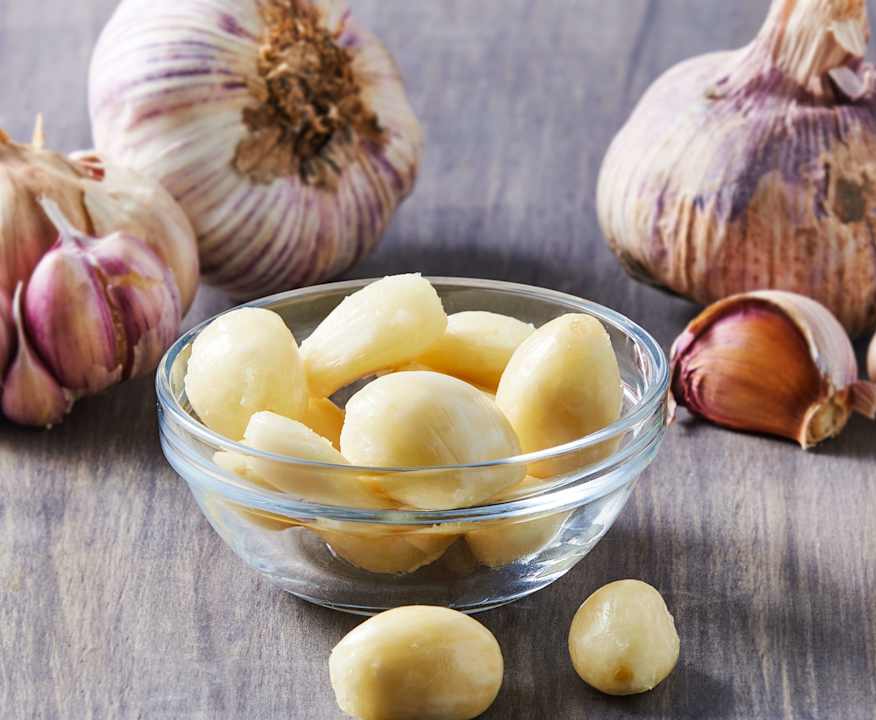
Why good: Contains allicin, which has strong anti-inflammatory and immune-enhancing effects. Linked to reduced risk of stomach and colorectal cancers.
3. Tomatoes
Why good: High in lycopene, an antioxidant that may reduce prostate and digestive-tract cancers. Tomatoes are most effective when cooked.
4. Turmeric
Why good: Curcumin in turmeric is one of the strongest natural anti-cancer agents. Helps reduce inflammation, inhibit tumor growth, and support detoxification.
5. Green Tea
Why good: Packed with catechins (EGCG), powerful antioxidants that help suppress cancer cell growth and protect DNA.
6. Berries
Includes: blueberries, strawberries, raspberries, blackberries
Why good: Rich in anthocyanins and antioxidants that help repair cell damage and slow cancer cell proliferation.
7. Leafy Greens
Includes: spinach, arugula, Swiss chard
Why good: Loaded with folate, fiber, carotenoids, and antioxidants. Helps your body detect and repair damaged cells early.
8. Mushrooms
Best types: shiitake, maitake, reishi
Why good: Contain beta-glucans, which boost immune function and may slow tumor growth.
9. Walnuts & Other Nuts
Why good: Rich in omega-3s, antioxidants, and phytochemicals that help reduce inflammation and suppress tumor development.