The nervous system is one of the most complex and essential systems in the human body. It controls everything from your heartbeat and breathing to your ability to think, move, feel, and remember. Every second, billions of nerve cells communicate through electrical and chemical signals, allowing your brain and body to work together seamlessly.
Like every other part of your body, your nervous system depends on proper nutrition to function at its best. Vitamins, minerals, healthy fats, and other nutrients help build nerve cells, protect their outer coverings, support communication between neurons, and reduce oxidative stress.
While no single nutrient can prevent or cure neurological diseases, maintaining a balanced diet rich in key nutrients may help support healthy nerve function throughout life.
Here are 9 important nutrients that play a significant role in supporting your nervous system.
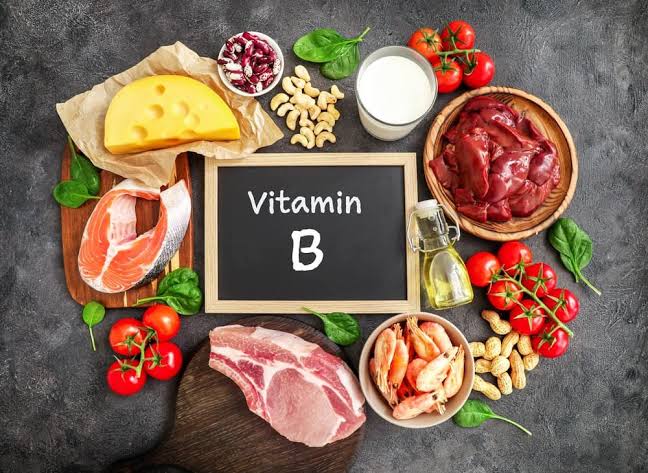
Why Nutrition Matters for Nerve Health
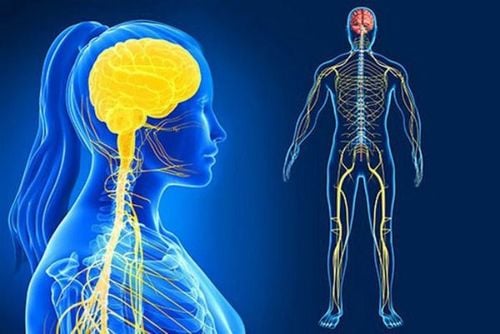
Your nervous system consists of:
-
The brain
-
The spinal cord
-
Peripheral nerves throughout the body
Nerves rely on a constant supply of nutrients to:
-
Produce energy
-
Repair damaged tissues
-
Build protective myelin sheaths
-
Create neurotransmitters
-
Maintain healthy blood flow
-
Protect against oxidative stress
A deficiency in certain nutrients may contribute to symptoms such as:
-
Tingling or numbness
-
Muscle weakness
-
Poor balance
-
Fatigue
-
Difficulty concentrating
-
Memory problems
Although these symptoms can have many causes, ensuring adequate nutrition is an important part of maintaining overall nerve health.
1. Vitamin B12
Vitamin B12 is one of the most important nutrients for healthy nerves.
It plays a key role in:
-
Forming red blood cells
-
Supporting DNA production
-
Maintaining the myelin sheath that surrounds nerve fibers
-
Helping nerve signals travel efficiently
Low vitamin B12 levels may lead to:
-
Numbness
-
Tingling in the hands and feet
-
Difficulty walking
-
Memory problems
-
Fatigue
Good food sources
-
Fish
-
Beef
-
Eggs
-
Milk
-
Yogurt
-
Fortified breakfast cereals
Older adults, vegans, and people with certain digestive disorders may have a higher risk of vitamin B12 deficiency.
2. Vitamin B6
Vitamin B6 helps the body produce several important neurotransmitters, including:
-
Serotonin
-
Dopamine
-
Gamma-aminobutyric acid (GABA)
These chemical messengers influence:
-
Mood
-
Sleep
-
Memory
-
Learning
-
Nervous system communication
Food sources
-
Chicken
-
Turkey
-
Tuna
-
Bananas
-
Potatoes
-
Chickpeas
While too little vitamin B6 can affect nerve function, excessive supplementation over long periods may also damage nerves. Supplements should be taken only as directed.
3. Folate (Vitamin B9)
Folate works closely with vitamins B6 and B12.
It supports:
-
DNA synthesis
-
Cell growth
-
Healthy red blood cells
-
Brain function
Adequate folate intake is especially important during pregnancy because it helps support normal fetal nervous system development.
Good sources
-
Spinach
-
Kale
-
Lentils
-
Beans
-
Asparagus
-
Avocados
-
Fortified grains
4. Vitamin D
Vitamin D is widely known for supporting bone health, but research suggests it also plays a role in nervous system function.
Scientists continue to study its potential involvement in:
-
Nerve signaling
-
Immune regulation
-
Brain health
-
Muscle function
Low vitamin D levels have been associated with several neurological conditions, although this does not necessarily mean that deficiency causes these disorders.
Sources
-
Sunlight exposure
-
Fatty fish
-
Egg yolks
-
Fortified dairy products
-
Fortified plant-based milks
5. Omega-3 Fatty Acids
Omega-3 fatty acids are major structural components of brain and nerve cell membranes.
The most important types are:
-
DHA
-
EPA
Research suggests omega-3s may support:
-
Brain development
-
Memory
-
Learning
-
Healthy nerve cell communication
-
Cardiovascular health, which also benefits the brain
Foods rich in omega-3s
-
Salmon
-
Sardines
-
Mackerel
-
Herring
-
Trout
-
Walnuts
-
Chia seeds
-
Flaxseeds
6. Magnesium
Magnesium participates in more than 300 biochemical reactions in the body.
For the nervous system, it contributes to:
-
Normal muscle function
-
Nerve transmission
-
Energy production
-
Healthy sleep
-
Regulation of neurotransmitters
Some people with low magnesium levels may experience:
-
Muscle cramps
-
Fatigue
-
Tremors
-
Irritability
Magnesium-rich foods
-
Almonds
-
Pumpkin seeds
-
Spinach
-
Black beans
-
Whole grains
-
Cashews
7. Vitamin E
Vitamin E is a powerful antioxidant.
Antioxidants help protect cells—including nerve cells—from damage caused by unstable molecules known as free radicals.
Vitamin E supports:
-
Cell membrane integrity
-
Immune function
-
Protection against oxidative stress
Severe vitamin E deficiency is uncommon but may contribute to neurological problems in certain medical conditions.
Food sources
-
Sunflower seeds
-
Almonds
-
Hazelnuts
-
Wheat germ
-
Spinach
-
Avocados
8. Zinc
Zinc is involved in numerous biological processes, including:
-
Immune function
-
Cell repair
-
Protein synthesis
-
Brain signaling
Researchers continue to investigate zinc's role in learning, memory, and communication between neurons.
Foods containing zinc
-
Oysters
-
Beef
-
Pumpkin seeds
-
Chickpeas
-
Yogurt
-
Cashews
Too much zinc from supplements may interfere with copper absorption, so supplementation should be approached carefully.
9. Alpha-Lipoic Acid
Alpha-lipoic acid is an antioxidant naturally produced in small amounts by the body and also found in some foods.
Research has explored its role in supporting nerve health, particularly in people with diabetic peripheral neuropathy. Some studies suggest it may help reduce symptoms such as burning, tingling, or discomfort in certain individuals, though results vary and it is not considered a cure.
Dietary sources
-
Spinach
-
Broccoli
-
Tomatoes
-
Brussels sprouts
-
Organ meats
Supplements are available, but anyone considering them should consult a healthcare provider, especially if they have diabetes or take medications.
Lifestyle Habits That Also Support Nerve Health
Nutrition is only one part of maintaining a healthy nervous system.
Other healthy habits include:
-
Exercising regularly
-
Getting seven to nine hours of sleep each night
-
Managing stress through relaxation techniques
-
Staying physically active
-
Avoiding tobacco products
-
Limiting excessive alcohol consumption
-
Managing blood sugar if you have diabetes
-
Controlling blood pressure and cholesterol
-
Maintaining a healthy body weight
These habits help support healthy circulation and reduce factors that may contribute to nerve damage over time.
Can Diet Alone Prevent Nerve Disease?
A nutritious diet supports overall health, but it cannot guarantee protection from neurological disorders.
Many nerve conditions are influenced by factors such as:
-
Genetics
-
Aging
-
Diabetes
-
Autoimmune diseases
-
Infections
-
Injuries
-
Certain medications
If you experience symptoms like persistent numbness, tingling, weakness, balance problems, or chronic pain, it is important to seek medical evaluation rather than relying solely on dietary changes.
Common Myths About Nerve Health
Myth: One vitamin can repair damaged nerves.
Reality: Healthy nerve function depends on many nutrients working together. No single vitamin can repair all forms of nerve damage.
Myth: More supplements always mean healthier nerves.
Reality: Taking excessive amounts of certain vitamins, particularly vitamin B6, may actually harm nerves. More is not always better.
Myth: Only older adults need to worry about nerve health.
Reality: Healthy nutrition and lifestyle habits benefit the nervous system at every age.
Myth: If you eat well, you'll never develop a neurological condition.
Reality: Nutrition is important, but genetics, chronic diseases, injuries, infections, and aging also influence nervous system health.
Myth: Supplements are always better than food.
Reality: For most healthy people, obtaining nutrients from a balanced diet provides additional fiber, antioxidants, and other beneficial compounds that supplements cannot fully replicate.

Final Thoughts
Your nervous system works around the clock, coordinating every movement, sensation, thought, and heartbeat. Supporting it begins with consistent, healthy lifestyle choices - including a balanced diet rich in essential nutrients.
Vitamin B12, vitamin B6, folate, vitamin D, omega-3 fatty acids, magnesium, vitamin E, zinc, and alpha-lipoic acid each contribute in different ways to healthy nerve function. Together with regular exercise, quality sleep, stress management, and routine medical care, these nutrients can help support the normal function of your brain and nervous system throughout life.
Remember that nutrition is most effective as part of an overall healthy lifestyle. Rather than focusing on one "super nutrient," aim for a varied diet that provides a wide range of vitamins, minerals, healthy fats, and antioxidants.