
9 Nighttime Warning Signs of Diabetes You Shouldn't Ignore
What happens to your body while you sleep can sometimes reveal clues about your health.
For some people, changes in blood sugar may become noticeable at night—through repeated trips to the bathroom, unusual thirst, sweating, restless sleep, or waking up feeling exhausted.
But there's an important point to remember:
None of these symptoms alone means you have diabetes.
Type 2 diabetes can develop gradually, and some people have few or no obvious symptoms for a long time. The only way to know for sure is through appropriate blood-glucose testing.
Here are 9 nighttime clues worth knowing.
1. Waking Up Frequently to Urinate
Do you find yourself getting out of bed several times a night to urinate?
Frequent urination—especially when it is a noticeable change from your normal pattern—can occur when blood glucose becomes too high.
When there is too much glucose in the blood, the kidneys work to remove some of it through urine. This can increase urination and contribute to increased thirst. Frequent urination, including at night, is a recognized symptom of diabetes.
Of course, nighttime urination can have many other causes, including drinking a lot of fluids before bed, certain medications, prostate problems, urinary conditions, or sleep disorders.
So don't assume it's diabetes—but don't automatically dismiss a persistent change either.
2. Unusual Thirst at Night
Do you wake up with an extremely dry mouth and feel like you urgently need water?
Excessive thirst is another classic symptom associated with diabetes.
When you urinate more frequently, your body loses more fluid, which can make you increasingly thirsty. This can create a cycle of frequent urination → fluid loss → increased thirst.
If you're repeatedly waking up thirsty despite drinking normally during the day, it's worth discussing with a healthcare professional.
3. Night Sweats, Shaking, or Feeling Suddenly Anxious

This sign is especially important for people who already take insulin or certain diabetes medications.
If blood glucose falls too low during the night, you may experience sweating, shakiness, anxiety, a fast heartbeat, hunger, dizziness, or confusion.
The American Diabetes Association also lists nightmares and crying out during sleep among possible symptoms of nighttime hypoglycemia.
Nighttime low blood sugar can happen for several reasons, including taking too much insulin, being unusually physically active, or other factors related to diabetes treatment.
If you repeatedly wake up sweaty, shaky, or confused—especially if you have diabetes—talk with your diabetes care team rather than changing medication doses on your own.
4. Nightmares or Restless Sleep
Not every nightmare has anything to do with blood sugar.
However, repeated nightmares or unusual nighttime behavior can sometimes occur during episodes of low blood glucose, particularly in people being treated for diabetes.
The American Diabetes Association identifies nightmares and crying out during sleep as possible signs of hypoglycemia.
If this happens repeatedly and you have diabetes, checking your glucose as recommended by your healthcare team may help determine whether blood sugar changes are involved.
5. Waking Up With a Headache
Morning headaches can have dozens of possible causes, including dehydration, poor sleep, stress, sleep apnea, alcohol, and medication effects.
Blood glucose fluctuations can also contribute to symptoms in people with diabetes.
A headache by itself is not a reliable sign of diabetes. But if it repeatedly occurs alongside intense thirst, frequent nighttime urination, sweating, shakiness, or other symptoms, it's worth mentioning to your doctor.
6. Feeling Extremely Hungry During the Night
Suddenly waking up extremely hungry may sometimes occur when blood glucose drops too low.
Hunger is one of the recognized symptoms of hypoglycemia, along with sweating, shakiness, dizziness, weakness, and confusion.
However, nighttime hunger can also be related to eating too little during the day, restrictive diets, stress, poor sleep, or simply changing eating habits.
The pattern—and what other symptoms occur at the same time—matters.
7. Waking Up Exhausted Despite Sleeping
You may have spent seven or eight hours in bed but still wake up feeling completely drained.
Fatigue is a common symptom associated with diabetes, although it is highly nonspecific. Diabetes-related fatigue can occur alongside other symptoms such as increased thirst, frequent urination, unexplained weight loss, or blurred vision.
Poor sleep, sleep apnea, anemia, thyroid problems, stress, medications, and many other conditions can cause the same feeling.
So persistent fatigue deserves attention—but it should never be used by itself to diagnose diabetes.
8. Blurry Vision That Comes and Goes
Have you noticed that your vision sometimes seems blurry, particularly around periods when you don't feel well?
Changes in blood glucose can affect the eye's ability to focus, and blurred vision is a recognized symptom associated with diabetes.
If blurred vision is new or persistent, don't simply assume it's blood sugar.
Vision changes can have many causes, some of which require prompt medical evaluation.
9. Waking Up With a Very Dry Mouth
A dry mouth in the morning is common and doesn't automatically mean diabetes.
It can happen because of mouth breathing, dehydration, medications, alcohol, or sleep-related conditions.
However, when persistent dry mouth occurs together with unusual thirst and frequent urination, it may be worth asking whether blood glucose should be checked.
These symptoms often occur together because elevated blood glucose can increase urination and fluid loss.
Don't Assume Every Nighttime Symptom Is Diabetes
This is one of the most important messages.
Waking up once to use the bathroom doesn't mean you have diabetes.
Neither does being thirsty, tired, sweaty, or having a bad night's sleep.
Many common conditions can produce exactly the same symptoms.
But if several symptoms appear together—or if they represent a persistent change from your normal routine—it's reasonable to talk with a healthcare professional.
Type 2 diabetes can develop slowly and sometimes produces no obvious symptoms at all.
How Can You Find Out?
Symptoms aren't enough to diagnose diabetes.
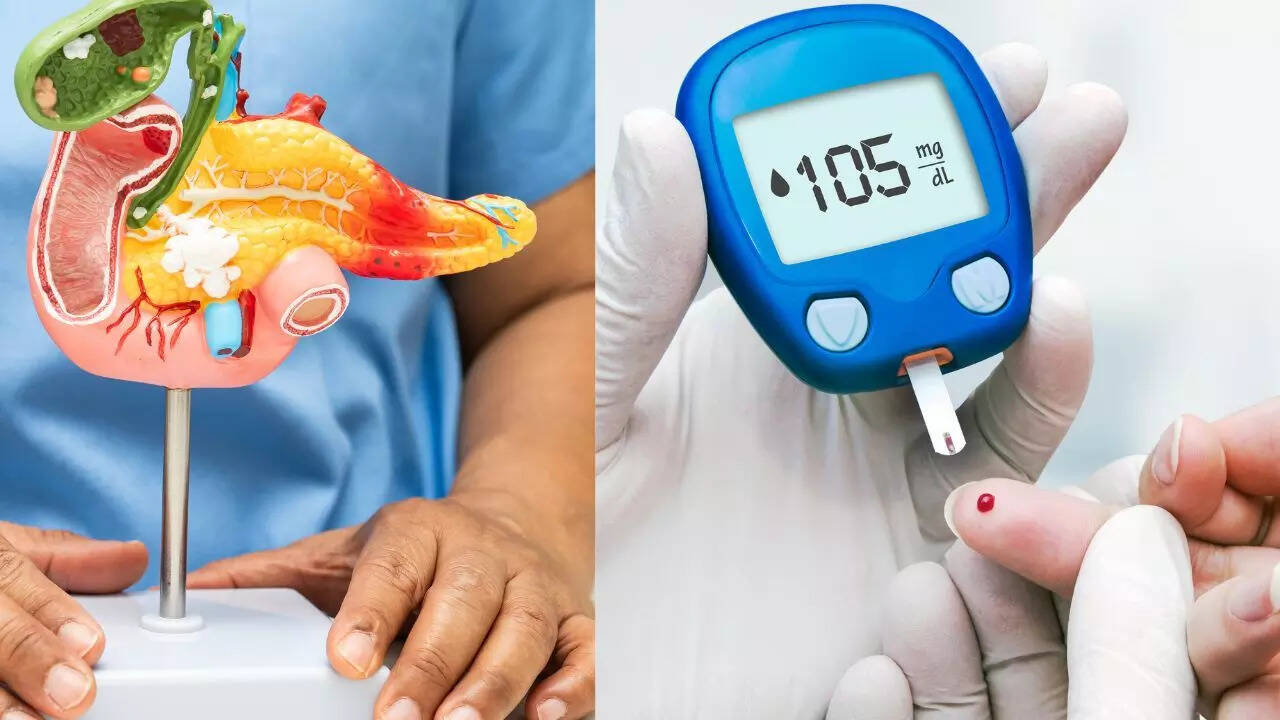
A healthcare professional can use blood-glucose testing and other appropriate tests to determine whether you have diabetes or prediabetes.
If you're concerned about symptoms, don't rely on a social-media checklist or an occasional home glucose reading alone. Ask your healthcare professional which testing approach is appropriate for you.
For people who already have diabetes, glucose monitoring may be recommended at specific times, including bedtime, depending on the person's treatment plan.
When Should You Seek Urgent Help?
Some symptoms require more than a routine appointment.
If you have diabetes or may have very high blood glucose and develop extreme thirst, frequent urination, vomiting, severe tiredness, abdominal pain, fruity-smelling breath, or fast/deep breathing, seek urgent medical attention.
These can be warning signs of diabetic ketoacidosis (DKA), a serious condition that requires prompt treatment.
Severe hypoglycemia can also be an emergency. Confusion, loss of consciousness, seizures, or being unable to treat yourself require immediate assistance.
The Bottom Line
Your body doesn't always give you an obvious warning when blood sugar is out of balance.
Repeated nighttime urination, unusual thirst, sweating, nightmares, nighttime hunger, fatigue, and other changes may be clues—but none of them can confirm diabetes on its own.
The smartest approach isn't to panic.
It's to notice persistent changes, understand your risk factors, and get appropriate testing when needed.
And remember:
Sometimes the most important diabetes warning sign is having no obvious symptoms at all.