9 Simple Ways to Relieve Acid Reflux Naturally
Acid reflux is more than just occasional discomfort—it’s a condition that can quietly affect daily life, sleep quality, and long-term digestive health. Whether it shows up as burning in the chest, a sour taste in the mouth, or persistent bloating, acid reflux is often the body’s way of signaling imbalance in the digestive system.
The good news? Many cases can be improved—or even prevented—through simple, natural lifestyle changes. Below are 9 effective and practical ways to relieve acid reflux without relying heavily on medication.
Understanding What’s Happening in Your Stomach
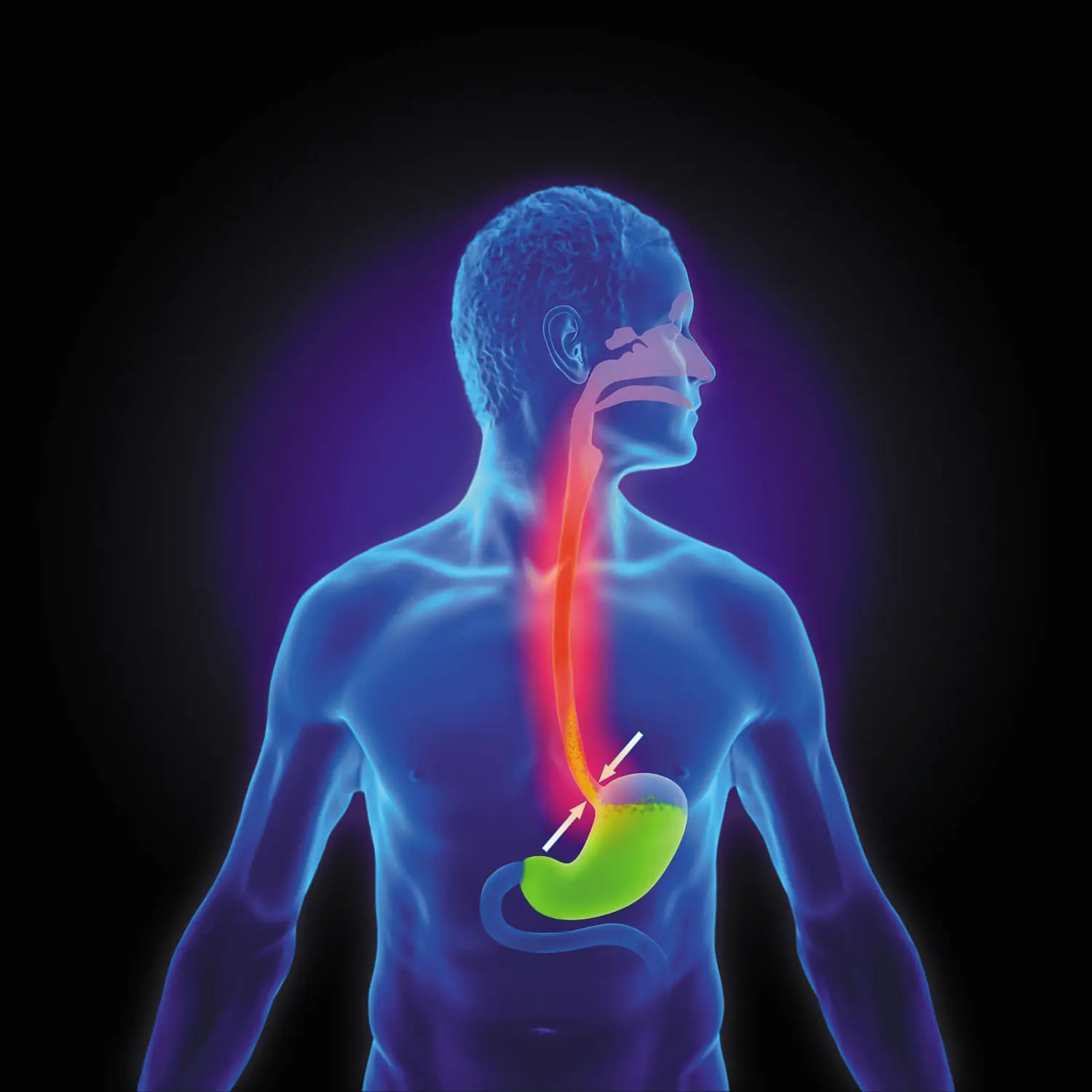
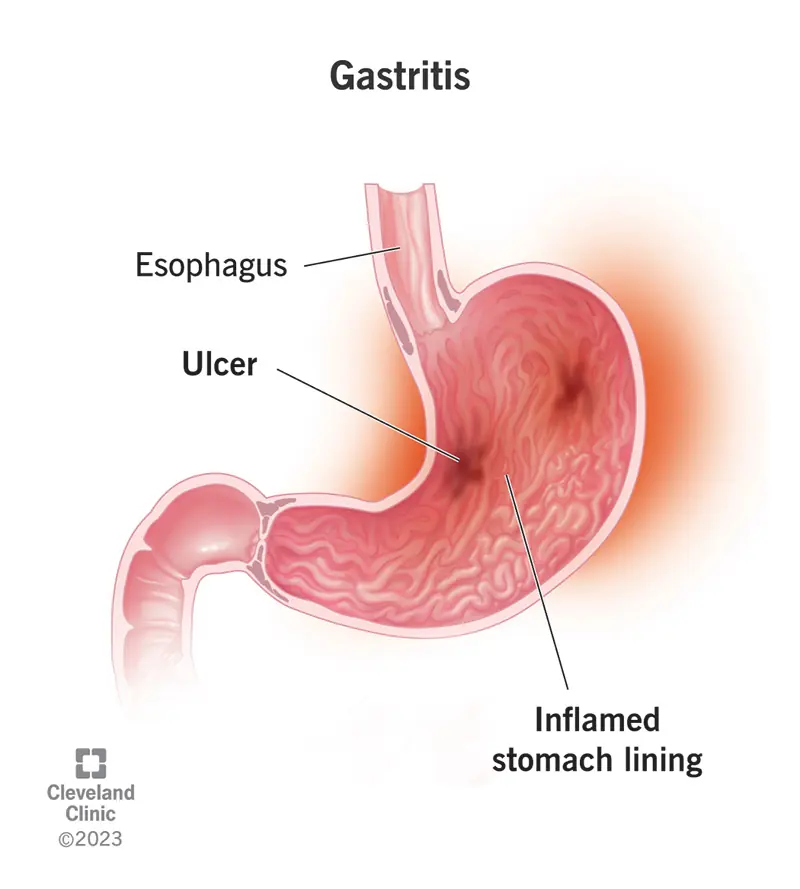

4
Acid reflux occurs when stomach acid flows backward into the esophagus. This usually happens when the lower esophageal sphincter (LES)—a muscle that acts like a valve—doesn’t close properly.
Over time, this can lead to:
- Heartburn
- Inflammation (gastritis)
- Increased acidity
- Even ulcers in severe cases
1. Eat Smaller, More Frequent Meals
Large meals put pressure on the stomach, increasing the chance of acid pushing upward. Instead:
- Eat smaller portions
- Spread meals throughout the day
- Avoid overeating, especially at night
2. Avoid Lying Down After Eating
One of the biggest triggers is lying down too soon after meals. Gravity plays a key role in digestion.
Wait at least:
- 2–3 hours before lying down or sleeping
This simple habit can significantly reduce nighttime reflux.
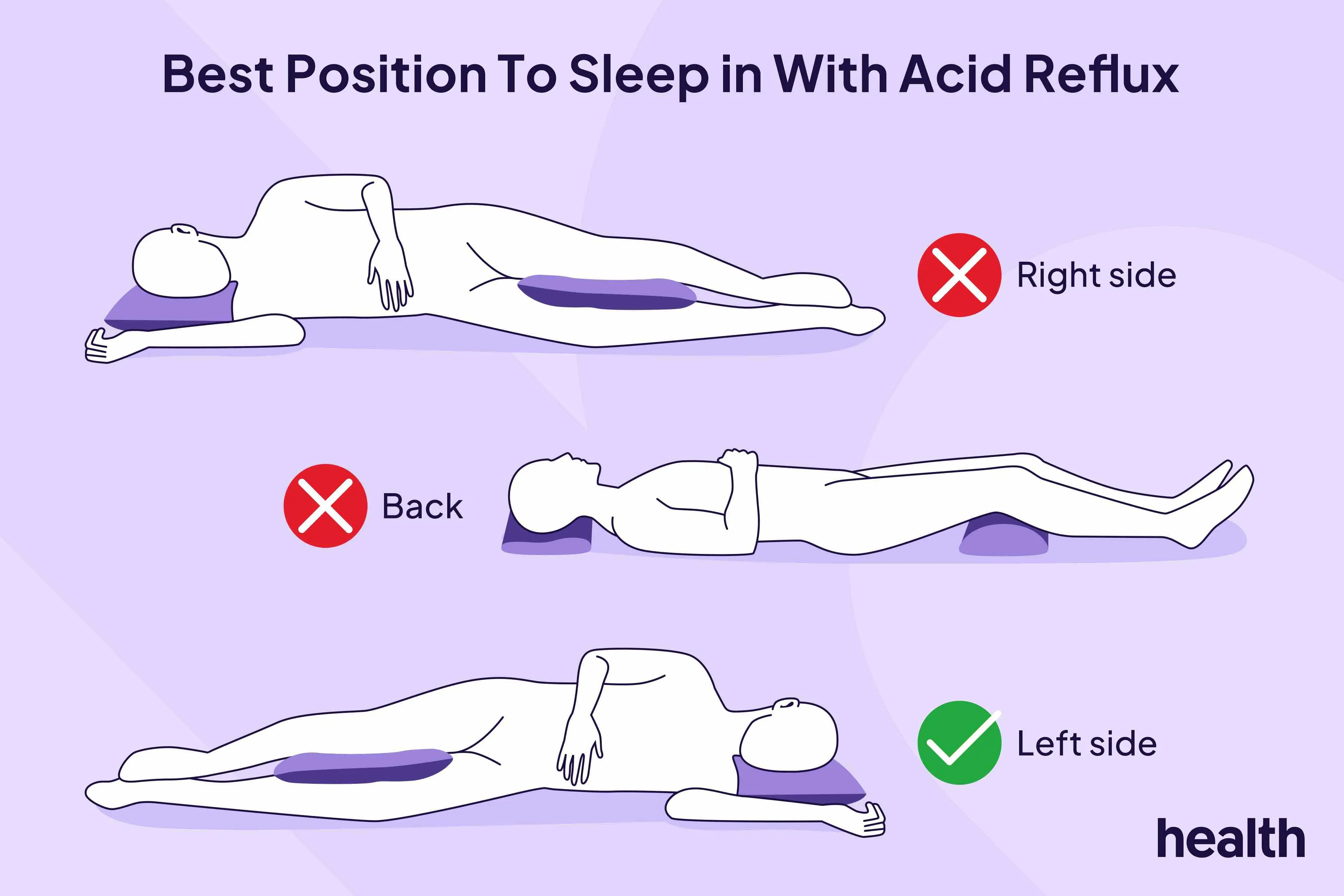
3. Elevate Your Head While Sleeping


4
If reflux occurs at night:
- Raise the head of the bed
- Use a wedge pillow
This helps prevent acid from traveling upward while sleeping.
4. Identify and Avoid Trigger Foods
Common triggers include:
- Spicy foods
- Fried or fatty meals
- Chocolate
- Coffee and alcohol
- Citrus and carbonated drinks
Everyone’s triggers are different, so tracking food reactions is key.
5. Maintain a Healthy Weight
Excess weight, especially around the abdomen, increases pressure on the stomach. This can weaken the LES and worsen reflux.
Even small weight loss can lead to noticeable improvement.
6. Stay Hydrated—but Smartly
Drinking water helps digestion, but:
- Avoid large amounts during meals
- Sip throughout the day instead
Too much fluid at once can expand the stomach and trigger reflux.
7. Quit Smoking
Smoking weakens the lower esophageal sphincter and increases acid production. Quitting can significantly reduce symptoms and improve overall digestive health.
8. Manage Stress Levels


4
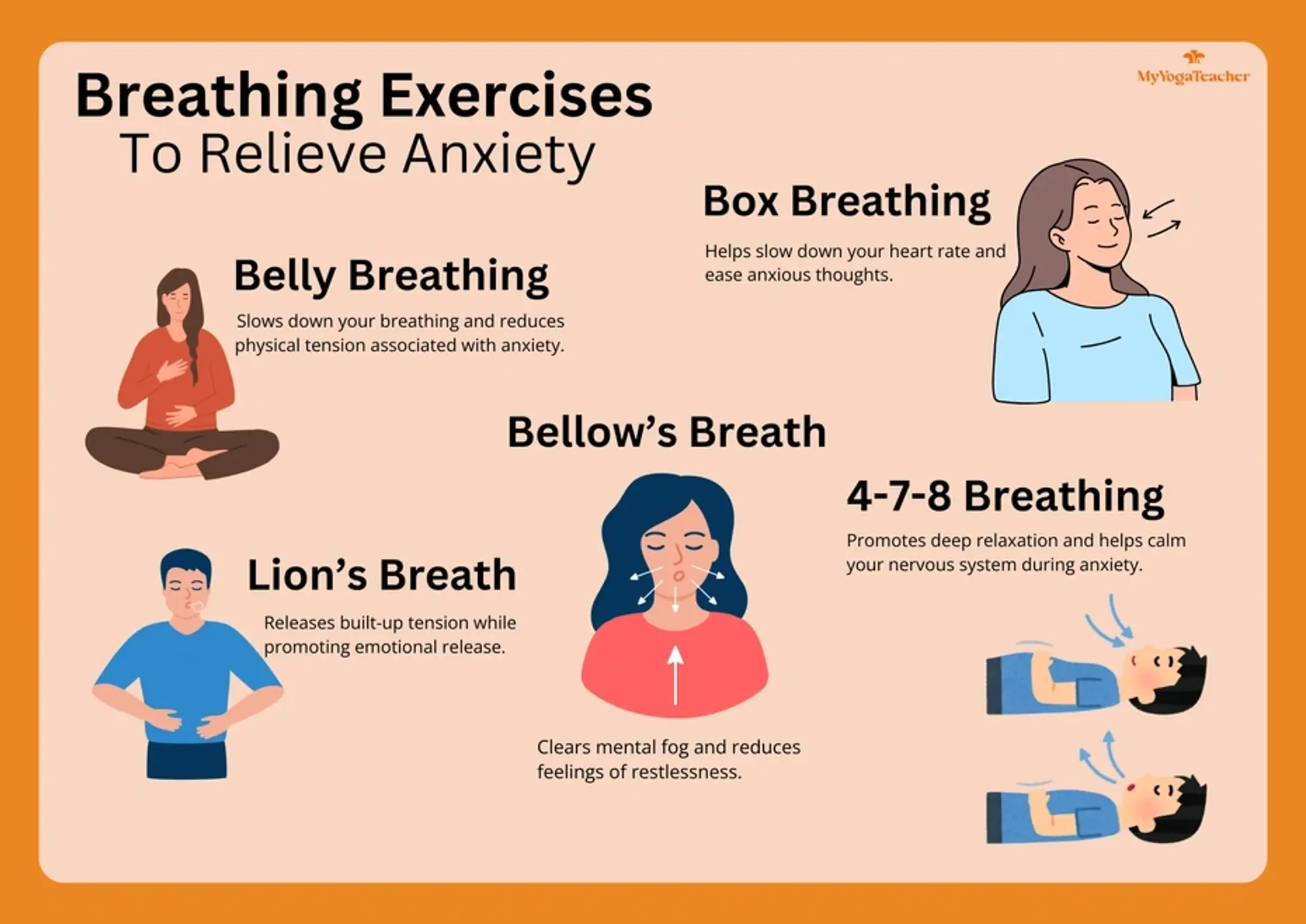
Stress doesn’t directly cause acid reflux—but it can make symptoms worse.
Helpful techniques include:
- Deep breathing
- Meditation
- Light exercise like yoga
9. Try Natural Soothing Remedies
Some natural options may help calm the digestive system:
- Ginger tea
- Chamomile tea
- Aloe vera juice (in moderation)
These can reduce inflammation and support digestion when used properly.
When Natural Methods Aren’t Enough
While lifestyle changes can be highly effective, it’s important to seek medical advice if:
- Symptoms occur frequently
- There is difficulty swallowing
- Pain becomes severe or persistent
Chronic acid reflux may lead to complications if left untreated.
Final Thoughts
Acid reflux is common—but it’s not something that should be ignored or normalized. The body often responds quickly to small, consistent changes in daily habits.
By adjusting how and what you eat, improving sleep posture, and managing stress, it’s possible to significantly reduce symptoms and regain comfort naturally.
Start with one or two changes—and build from there. The results may surprise you.
Acid Reflux: 20 More Practical Tips to Improve Digestion, Protect Your Esophagus, and Feel Better Every Day
Acid reflux is often treated as a minor digestive inconvenience, but for people who experience it regularly, the condition can become a frustrating part of everyday life. A burning sensation after dinner, an uncomfortable feeling in the throat, or waking up in the middle of the night with a sour taste can affect concentration, appetite, sleep, and overall well-being.
Although occasional reflux is common, frequent symptoms deserve attention. The goal should not simply be to suppress discomfort temporarily, but to understand what triggers it and make changes that support long-term digestive health.
The nine lifestyle strategies discussed earlier provide an excellent starting point. However, there are several additional habits that may help reduce reflux episodes and make daily life more comfortable.
10. Eat Slowly and Chew Your Food Thoroughly
The way you eat can be just as important as what you eat.
Many people consume meals quickly because of busy schedules, work responsibilities, or family commitments. Eating too fast can make it easier to overeat before the body has time to register fullness. Large meals stretch the stomach and may increase the likelihood of reflux.
Slowing down gives your digestive system a better opportunity to process food comfortably.
Try these simple habits:
-
Take smaller bites.
-
Chew each mouthful thoroughly before swallowing.
-
Put your spoon or fork down between bites.
-
Avoid eating while rushing, working, or driving.
-
Give yourself enough time to finish a meal without feeling hurried.
Chewing helps break food into smaller pieces and mixes it with saliva, which begins the digestive process. It does not directly prevent acid reflux, but eating more mindfully can help reduce overeating and excessive stomach fullness.
Another useful strategy is to stop eating when you feel comfortably satisfied rather than continuing until your stomach feels completely full.