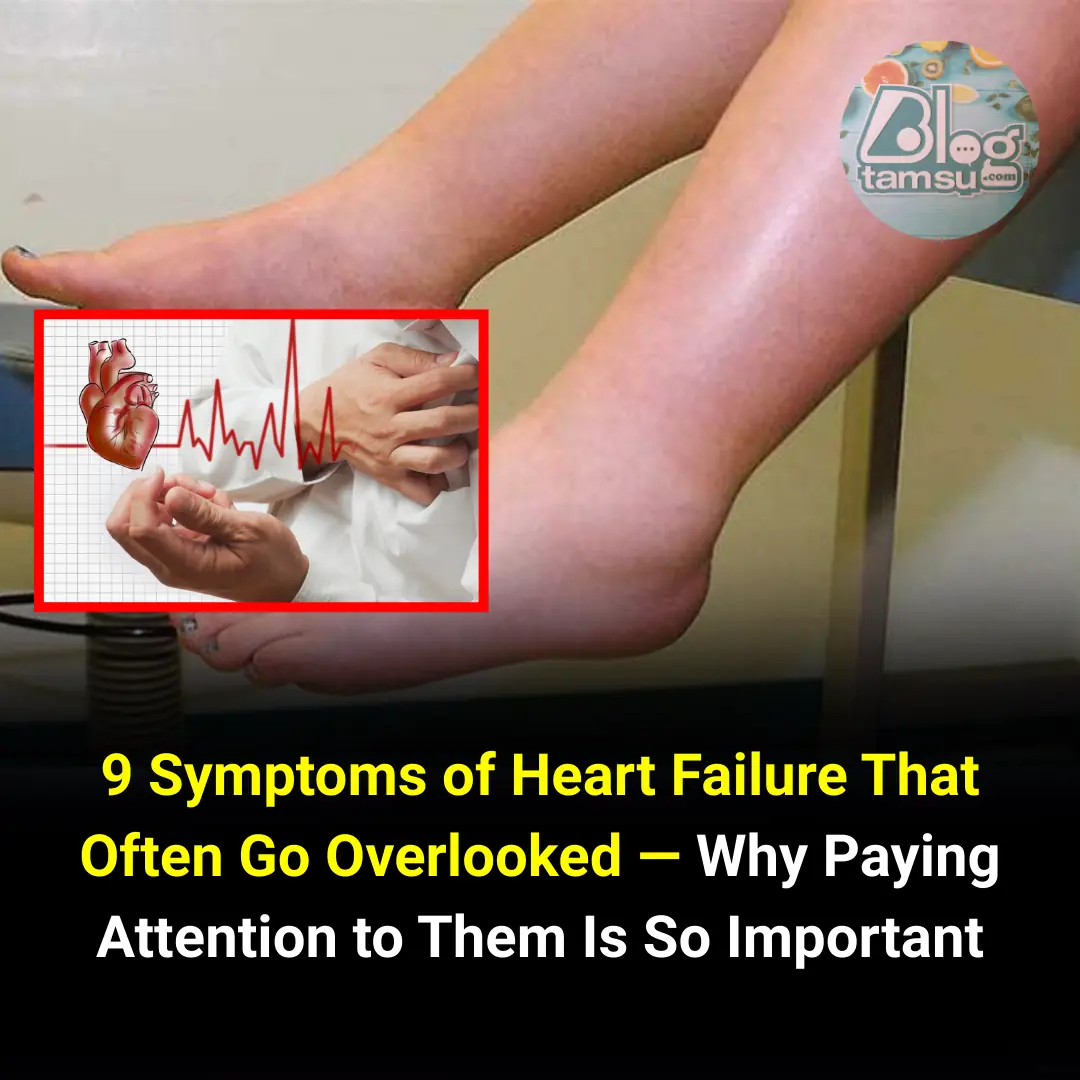
Not all heart conditions show clear symptoms. Some signs don’t even appear in the chest and may not make it easy to recognize exactly what’s happening. This is especially true for people over 60, those who are overweight, or individuals with diabetes, high cholesterol, or hypertension. The article below lists important warning signs that patients need to know in order to take preventive action.
1. Chest Pain or Discomfort
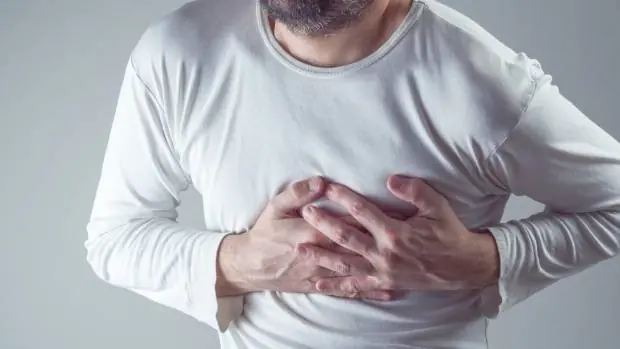
Chest pain is the most common sign of heart-related problems. If you have a blocked artery or are experiencing a heart attack, you may feel pain, pressure, or tightness in your chest. This sensation usually lasts for several minutes and may occur whether you are resting or engaging in physical activity.
Sometimes, it may feel like brief pain or tenderness in one spot when touched, but if the symptoms intensify and do not go away within a few minutes, you should seek medical attention immediately.
In addition, some heart problems, including heart attacks, may occur without chest pain. This is especially common in women and people with diabetes.
2. Nausea, Indigestion, Heartburn, or Stomach Pain
These symptoms are more often reported in women than in men. While abdominal discomfort may be caused by issues unrelated to the heart—such as food—it can also happen during a heart attack.
That’s why if you experience these symptoms, especially in combination with others on this list, you should see a doctor for evaluation.
3. Dizziness or Lightheadedness
There are many possible causes of dizziness or imbalance, such as dehydration, poor nutrition, or standing up too quickly.
However, if sudden dizziness occurs along with chest pain or shortness of breath, you should seek medical care promptly to get a proper diagnosis and treatment.
4. Unusual Fatigue
If you suddenly feel exhausted or out of breath while doing activities that previously caused no problems—such as climbing stairs or carrying groceries—this may be a sign of heart failure, particularly in women.
5. Snoring
Mild snoring during sleep is normal, but loud snoring that sounds like gasping or choking may indicate sleep apnea. This condition causes multiple breathing interruptions during sleep, putting added strain on the heart.
If you experience this, consult a doctor for a sleep study (polysomnography) to determine whether you have sleep apnea. If confirmed, treatment may include the use of a continuous positive airway pressure (CPAP) machine to help regulate breathing at night.
6. Persistent Cough
In most cases, coughing is not linked to heart problems. However, if you already have heart disease or risk factors, pay close attention to this symptom.
A long-lasting cough that produces white or pink mucus may indicate heart failure. This happens when the heart cannot keep up with the body’s needs, causing blood to leak back into the lungs.
7. Swelling in Legs, Ankles, or Feet
This can be a sign that the heart’s pumping ability is weakened. When the heart cannot pump blood efficiently, it backs up in the veins, causing fluid retention and swelling. Heart failure can also make it harder for the kidneys to remove excess water and sodium, which worsens the problem.
8. Rapid or Irregular Heartbeat
A racing or irregular heartbeat (palpitations) can occur because the heart is struggling to pump effectively, forcing it to work harder.
9. Confusion or Trouble Thinking
Patients may experience memory problems or disorientation. This can result from changes in the levels of certain substances in the blood, such as sodium.
The Importance of Monitoring and Screening
For those already diagnosed with heart failure, it is crucial to monitor symptoms closely and report any changes to your doctor. Cardiovascular screening is highly recommended to detect problems early and begin treatment promptly.
At present, Vinmec International General Hospital offers cardiovascular screening packages, enabling patients to take proactive steps in protecting their own health and that of their families.