At 58, many people begin paying closer attention to the small habits that might influence their health over the years.
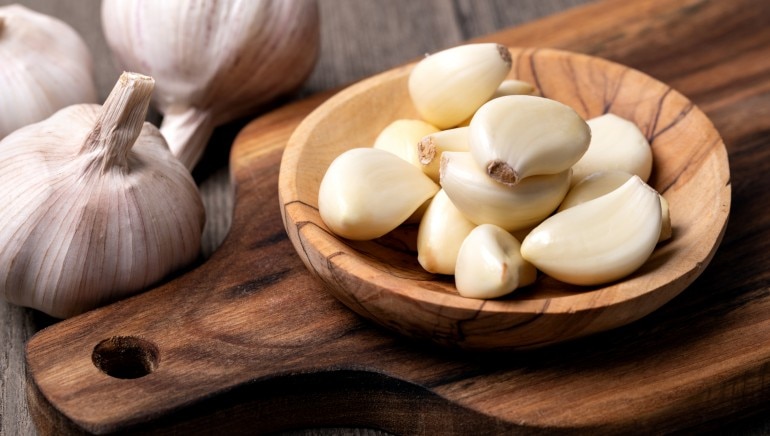
For one man, that habit was surprisingly simple: one raw garlic clove every morning.
He wasn't taking an expensive supplement. He wasn't following an extreme diet. He simply added a small amount of raw garlic to his morning routine and continued doing it for six months.
At first, it seemed almost too ordinary to matter.
But garlic has been studied for its sulfur-containing compounds, antioxidant activity, and possible effects on cardiovascular health. Raw garlic is particularly interesting because crushing or chopping it allows an enzyme called alliinase to help form allicin, one of the compounds responsible for garlic's characteristic smell and flavor.
So what might happen when someone eats raw garlic every morning for months?
The answer isn't a miracle transformation. But there are several interesting ways regular garlic consumption may interact with the body.
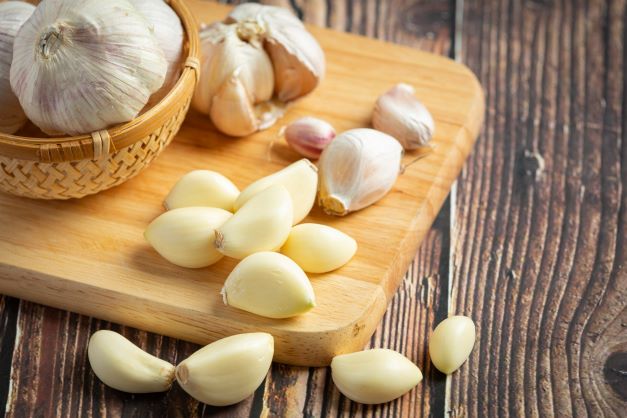
1. The First Thing He Probably Noticed Was the Taste
Let's start with the least glamorous effect.
Raw garlic is intense.
A fresh clove can be sharp, spicy, bitter, and lingering. Unlike cooked garlic, which becomes sweet and mellow, raw garlic can leave a strong taste in the mouth for hours.
For some people, that alone makes the habit difficult to maintain.
The sulfur-containing compounds responsible for garlic's distinctive aroma can also contribute to garlic breath.
And the smell doesn't always come only from the mouth.
Some garlic compounds and their metabolites can be released through the lungs and skin, which helps explain why the odor can persist even after brushing your teeth.
So while raw garlic may be nutritious, it isn't exactly the easiest morning habit for someone who has an important meeting or close conversation shortly afterward.
2. Garlic Contains Compounds That Have Attracted Scientific Interest
The reason garlic receives so much attention isn't simply its flavor.
Garlic contains sulfur-containing compounds and other bioactive substances that researchers have investigated for their potential biological effects.
One of the most discussed compounds is allicin.
Interestingly, intact garlic doesn't contain large amounts of allicin itself.
When a garlic clove is crushed or chopped, its cellular structure is disrupted. This allows alliin and the enzyme alliinase to interact, producing allicin.
That means preparation matters.
Eating an intact clove immediately after swallowing it isn't necessarily equivalent to consuming freshly crushed garlic.
This chemistry is one reason researchers continue to investigate garlic and its possible health effects.
3. His Blood Pressure Might Be One Area Worth Watching
One of the most studied potential benefits of garlic involves blood pressure.
Some clinical research suggests that certain garlic preparations, particularly standardized aged garlic extracts, may produce modest reductions in blood pressure in people with hypertension.
But there's an important distinction.
Research involving a specific garlic supplement cannot automatically be used to claim that eating one raw clove every morning will produce the same effect.
The dose, preparation, duration, and chemical composition can all differ.
So if a 58-year-old notices a lower blood-pressure reading after adopting a garlic habit, it would be difficult to conclude that garlic alone caused the change.
Blood pressure can also change because of:
-
Weight changes
-
Physical activity
-
Sodium intake
-
Stress
-
Sleep
-
Alcohol consumption
-
Medication
-
Overall diet
-
Natural variation
Still, garlic remains an interesting food to include in an overall heart-conscious diet.
4. His Cholesterol May Not Change Dramatically
Another popular claim is that garlic "cleans out" cholesterol.
That's an oversimplification.
Some studies have investigated garlic's potential effects on cholesterol and other cardiovascular risk factors. Results have varied depending on the type of garlic product and the population being studied.
If someone eats one raw clove every day, they should not expect their LDL cholesterol to suddenly fall.
Instead, think about garlic as one small component of an overall dietary pattern.
A diet rich in vegetables, fruits, legumes, whole grains, nuts, and appropriate sources of protein and unsaturated fats has much stronger support as part of cardiovascular risk reduction.
Garlic can add flavor and potentially beneficial plant compounds without requiring large amounts of salt or heavy sauces.
That's a practical advantage.
5. He May Get Some Antioxidant Compounds
Garlic contains various compounds with antioxidant properties.
Antioxidants are substances that can help protect cells from oxidative damage, although the relationship between dietary antioxidants and actual health outcomes is complex.
It is important not to interpret this as:
"Garlic removes all toxins from the body."
Your liver, kidneys, lungs, and gastrointestinal tract already perform the body's major waste-processing and elimination functions.
Garlic doesn't need to be marketed as a "detox."
A more accurate description is that garlic contains bioactive compounds that may interact with biological pathways involved in oxidative stress and inflammation.
That is interesting enough without exaggerating what the food can do.
6. His Digestive System Might React Differently
Not everyone tolerates raw garlic well.
For some people, a small amount may be perfectly comfortable.
For others, raw garlic can cause:
-
Heartburn
-
Stomach discomfort
-
Bloating
-
Gas
-
Nausea
-
Abdominal irritation
Garlic contains fermentable carbohydrates that can cause digestive symptoms in people who are sensitive to certain foods, particularly those following a low-FODMAP diet.
Raw garlic may also be more irritating than cooked garlic.
So if someone starts eating a raw clove every morning and develops persistent digestive discomfort, the answer isn't necessarily to "push through."
The body may simply be telling them that the amount or preparation doesn't suit them.
7. He Might Notice an Effect on His Appetite
There is another possibility that people sometimes overlook.
Adding a strongly flavored food to breakfast can change how a person approaches the rest of the meal.
However, there is no good reason to expect one raw garlic clove to directly cause significant weight loss.
Garlic is not a fat-burning food.
It doesn't override calorie balance.
It doesn't magically accelerate metabolism.
If someone loses weight while following a garlic routine, other changes in their diet or lifestyle may be responsible.
Perhaps they started eating more vegetables.
Maybe they reduced processed foods.
Maybe they became more conscious of their breakfast.
Perhaps the garlic habit was simply part of a broader effort to live healthier.
8. His Immune System Isn't "Boosted" Overnight
Garlic is often described online as a natural immune booster.
There is some scientific interest in garlic and immune-related processes, and laboratory research has identified biological activity in several garlic compounds.
But that doesn't mean eating one clove guarantees protection from colds, flu, or infections.
Your immune system is extraordinarily complex.
It depends on many factors, including:
-
Adequate nutrition
-
Sleep
-
Physical activity
-
Stress management
-
Vaccination where appropriate
-
Existing health conditions
-
Age
-
Exposure to infectious organisms
One food cannot replace those fundamentals.
Garlic can be part of a nutritious diet.
It shouldn't be treated as a substitute for medical care or preventive health measures.
9. The Way He Prepared the Garlic Mattered
If the goal is to maximize the formation of allicin, preparation becomes important.
When garlic is crushed or chopped, alliinase helps convert alliin into allicin.
However, heat can affect this process.
That's why raw or freshly crushed garlic is often discussed differently from cooked garlic.
One practical approach is to crush or chop the garlic and allow it to sit briefly before cooking. This gives the enzymatic reaction time to occur before significant heat is applied.
But if raw garlic causes stomach irritation, cooked garlic may be a more comfortable choice.
There is no nutritional requirement to eat garlic raw.
You don't have to force yourself to tolerate something simply because the internet claims raw is "better."
10. Six Months Doesn't Mean Six Months of Guaranteed Results
The headline of a six-month experiment sounds dramatic.
But biology doesn't work according to a simple countdown.
There isn't a magical moment on day 180 when the body suddenly becomes healthier.
If garlic has an effect, it is likely to be part of a broader dietary pattern and may be relatively modest.
The bigger lesson is that consistent habits matter more than miracle foods.
A person who eats one clove of garlic every morning but sleeps five hours, rarely exercises, smokes, eats excessive sodium, and has uncontrolled blood pressure isn't going to compensate for those factors with garlic.
Likewise, someone who already eats a balanced diet may gain only a small additional benefit from adding garlic.
11. What About Blood Sugar?
Garlic has also been investigated for possible effects on blood glucose and metabolic health.
Some studies have reported potentially favorable changes with certain garlic preparations, but evidence is not strong enough to recommend raw garlic as a treatment for diabetes.
If someone has diabetes or takes medication that lowers blood sugar, they shouldn't replace prescribed treatment with garlic.
Food can support healthy eating patterns.
It cannot substitute for an individualized treatment plan.
12. One Important Warning: Garlic Can Interact With Medications
This is especially relevant for older adults.
At 58, a person may be taking medications for blood pressure, cholesterol, cardiovascular disease, diabetes, or other conditions.
Garlic—particularly concentrated supplements—can potentially interact with medications.
One concern is blood clotting.
Garlic preparations may have antiplatelet effects, which means people taking anticoagulant or antiplatelet medications should be particularly cautious about concentrated garlic supplements.
This doesn't mean everyone taking medication must avoid garlic as a food.
It means that taking large amounts of garlic or garlic supplements without discussing them with a healthcare professional is not a good idea.
Food and concentrated supplements are not necessarily equivalent.
13. Raw Garlic Isn't Necessarily Better for Everyone
This is one of the biggest misconceptions.
People often assume:
Raw = healthy.
But nutrition is rarely that simple.
Raw garlic may preserve or facilitate formation of certain compounds, but cooked garlic is still a nutritious food.
And cooking may make garlic much easier to digest for some people.
If raw garlic causes heartburn or stomach pain, there is no reason to believe that forcing yourself to eat it every morning is necessary for good health.
You can incorporate garlic into:
-
Stir-fries
-
Soups
-
Sauces
-
Roasted vegetables
-
Meat dishes
-
Bean dishes
-
Salad dressings
Healthy eating should be sustainable.
14. The Biggest Benefit May Be What Garlic Replaces
This may be the most practical insight of all.
Imagine someone begins using garlic every morning because they want to improve their health.
They start preparing eggs with vegetables and fresh garlic.
They stop eating a heavily processed breakfast.
They drink water instead of a sugary beverage.
They begin cooking more meals at home.
They walk after breakfast.
Six months later, they feel better.
Was garlic responsible?
Maybe partly.
But the bigger transformation may have come from the entire routine.
Garlic can be especially useful because it adds strong flavor without requiring large amounts of salt, sugar, or heavy sauces.
That makes it easier to build flavorful meals around nutritious ingredients.
15. What Might Actually Surprise Him After Six Months?
Perhaps the biggest surprise isn't a dramatic physical transformation.
It may be that such a tiny habit can encourage other healthy behaviors.
One small decision can become a routine.
The routine can influence breakfast.
Breakfast can influence food choices later in the day.
Those choices can influence weight, energy intake, and overall diet.
And gradually, a collection of small behaviors can become a lifestyle.
That's a much more realistic explanation for long-term health improvements than the idea of one ingredient changing everything.
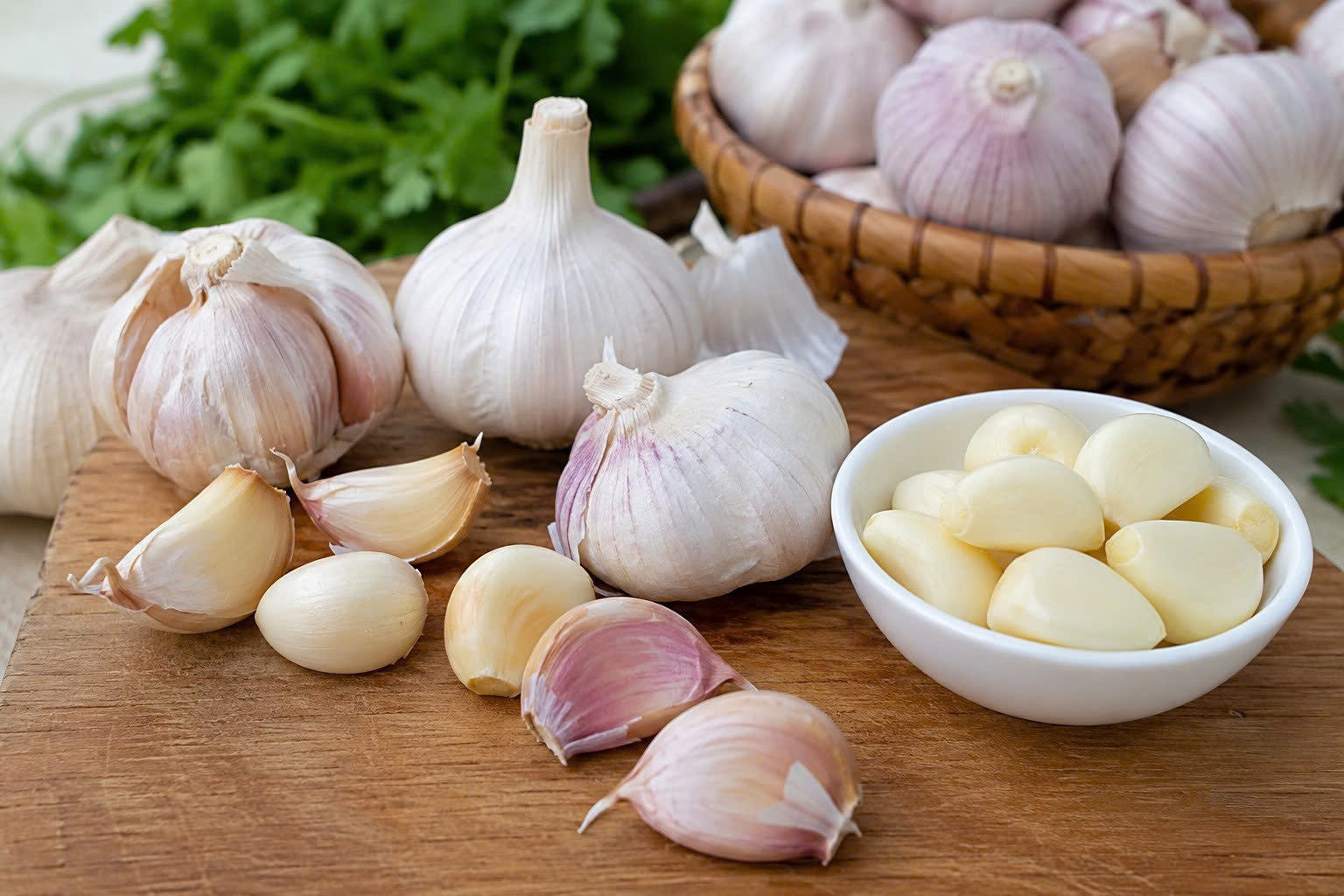
Should You Eat One Raw Garlic Clove Every Morning?
If you enjoy garlic and tolerate it well, incorporating it into your diet can be perfectly reasonable.
But there is no universal requirement to eat one raw clove every morning.
You can get the nutritional benefits of garlic without following a rigid daily ritual.
A balanced approach might be:
Use garlic regularly as a flavorful ingredient while maintaining an overall nutrient-dense diet.
If you choose to eat it raw, start with a small amount and pay attention to how your digestive system responds.
And if you take medications—particularly medications affecting blood clotting—or have a medical condition that requires dietary restrictions, talk with your healthcare professional before using large amounts or concentrated garlic supplements.
The Real Lesson From Six Months of Garlic
After six months, the most realistic conclusion isn't that garlic transformed a 58-year-old's body.
It is that garlic is an interesting, nutrient-rich food with biologically active compounds, but its effects should not be exaggerated.
It may contribute to a heart-healthy eating pattern.
It provides sulfur-containing compounds and other plant chemicals.
It can add powerful flavor to food.
And for some people, regularly eating garlic may be one small part of a healthier lifestyle.
But it isn't a cure-all.
It doesn't replace medication.
It doesn't guarantee lower cholesterol.
It doesn't automatically prevent illness.
And it certainly doesn't "detox" the body.
The most meaningful changes usually come from the habits that surround the food: eating more whole foods, getting enough sleep, staying physically active, managing stress, avoiding tobacco, limiting excessive alcohol, and keeping up with appropriate medical care.
So if you enjoy raw garlic, there's a good reason to keep it in your kitchen.
Just don't expect one clove to do the work of an entire healthy lifestyle.
Sometimes the most powerful health habit isn't a miracle ingredient at all. It's the decision to make small, sensible choices consistently—and keep doing them long after the excitement of the new habit has disappeared.