But what if the enlargement has nothing to do with ordinary weight gain?
In some cases, an unusually swollen or enlarged abdomen can be related to an underlying medical condition, including liver disease. One important possibility is ascites, a condition in which fluid accumulates inside the abdominal cavity. It can occur in people with advanced liver disease, particularly cirrhosis. Other liver-related problems, such as an enlarged liver, may also cause discomfort or a feeling of fullness in the upper abdomen.
The distinction matters because abdominal fat and fluid accumulation are not the same thing. They develop for different reasons, have different accompanying symptoms, and require different approaches to treatment.
Unfortunately, liver disease can progress quietly. Many people experience few noticeable symptoms during the early stages. By the time abdominal swelling, jaundice, or significant fatigue appears, the condition may already require medical attention.
This does not mean that everyone with a large belly has a liver problem. Most abdominal enlargement is not caused by liver disease. However, recognizing unusual changes in your abdomen, especially when they occur alongside other symptoms, can help you seek medical evaluation before complications develop.
So how can you tell the difference between ordinary belly fat and abdominal swelling that may be connected to liver disease? What warning signs should you watch for, and when should you see a doctor?
Understanding the differences can help you make more informed decisions about your health.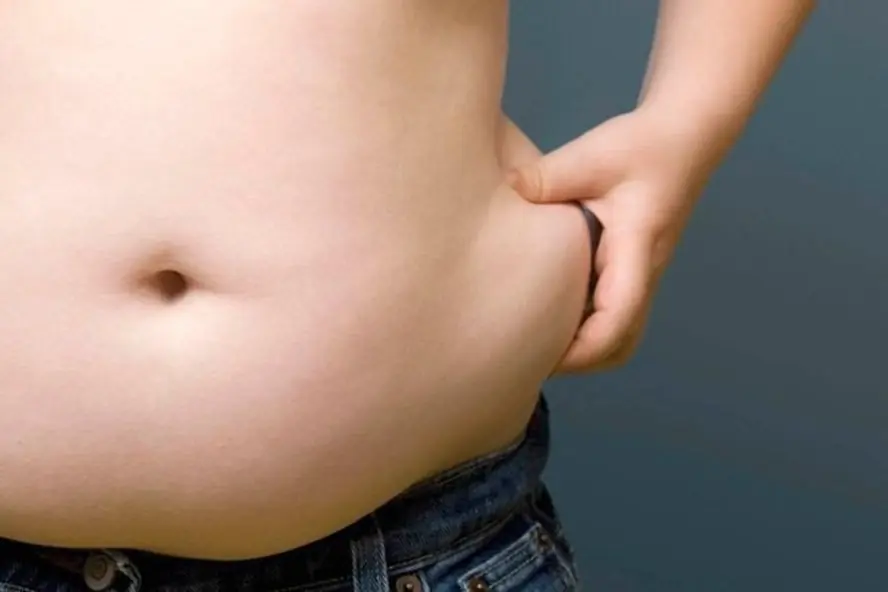
Chapter 1: Why a Big Belly Does Not Always Mean Weight Gain
The abdomen can become larger for several different reasons. Some are relatively harmless and temporary, while others may indicate a medical condition that needs investigation.
The most familiar cause is abdominal fat. When the body stores excess energy, fat can accumulate beneath the skin and around internal organs. Over time, this can increase waist circumference and contribute to a rounded appearance.
However, fat is only one possible explanation.
Other causes of an enlarged abdomen include:
-
Bloating caused by gas or digestive problems.
-
Constipation and the accumulation of stool.
-
Fluid accumulation inside the abdominal cavity.
-
Enlargement of abdominal organs.
-
Certain ovarian, uterine, or gastrointestinal conditions.
-
Abdominal tumors or other masses.
-
Pregnancy.
Liver disease is particularly relevant because it can lead to a condition known as ascites.
What is ascites?
Ascites is the abnormal accumulation of fluid inside the peritoneal cavity, the space within the abdomen that contains organs such as the stomach, intestines, and liver.
A small amount of fluid normally exists in this area. However, when certain medical conditions disrupt the balance between fluid production, circulation, and absorption, fluid can accumulate.
Advanced liver disease is one of the most important causes.
As ascites develops, the abdomen may gradually become larger, rounder, and increasingly tight. In more severe cases, the swelling can become pronounced enough to make clothing uncomfortable or cause difficulty moving around.
Unlike ordinary abdominal fat, ascites is not simply excess tissue stored around the waist. It is fluid collecting inside the abdomen.
This difference is important because trying to reduce ascites through dieting or abdominal exercises will not address the underlying cause.
Why liver disease can cause abdominal swelling
The liver performs hundreds of essential functions. It helps process nutrients, produces proteins involved in blood clotting, regulates aspects of metabolism, and processes substances that the body needs to eliminate.
When chronic liver disease causes extensive scarring, known as cirrhosis, the normal structure of the liver becomes distorted.
Blood traveling from the digestive organs to the liver encounters greater resistance. This can increase pressure in the portal venous system, a condition called portal hypertension.
At the same time, a damaged liver may produce less albumin, an important blood protein that helps keep fluid inside blood vessels.
Changes in kidney function and hormone regulation can also cause the body to retain sodium and water.
Together, these changes can contribute to fluid moving out of blood vessels and accumulating in the abdominal cavity.
This is why ascites is commonly associated with advanced cirrhosis and portal hypertension.
However, not every person with liver disease develops ascites, and not every case of ascites is caused by liver disease. Heart failure, certain cancers, kidney disorders, and other conditions can also cause abdominal fluid accumulation.
Chapter 2: Belly Fat vs. Ascites — How Are They Different?
One of the most common questions people ask when their abdomen becomes larger is whether they are gaining fat or experiencing another type of swelling.
Although appearance alone cannot establish a diagnosis, there are several differences that may help explain what is happening.
1. How the abdomen feels
Ordinary abdominal fat is usually distributed within the fatty tissue beneath the skin or around internal organs.
Subcutaneous fat, the type located directly beneath the skin, often feels soft or pliable when touched. Visceral fat, which surrounds internal organs, may contribute to a firm or protruding abdomen.
Ascites can produce a different sensation. As fluid accumulates, the abdomen may feel stretched, tight, or unusually tense.
In more advanced cases, the skin may appear stretched, and the abdomen may become uncomfortable or heavy.
However, these descriptions are not reliable diagnostic tests. A firm abdomen does not automatically mean ascites, and a soft abdomen does not rule it out.
2. How quickly the abdomen becomes larger
Ordinary abdominal fat generally accumulates gradually.
A person may notice that their waistline increases over several months or years, especially when their overall body weight also rises.
Ascites may develop over weeks or months, although the speed varies. Some people notice relatively rapid abdominal enlargement, particularly when fluid accumulation becomes significant.
A sudden increase in abdominal size should not automatically be attributed to weight gain. It deserves medical attention, especially if accompanied by swelling in the legs, shortness of breath, or other unusual symptoms.
3. Changes in body weight
Both abdominal fat and ascites can increase body weight, but the patterns may differ.
With ordinary fat accumulation, weight gain is usually associated with changes in overall body composition.
With ascites, body weight may increase because of retained fluid, even when a person is losing muscle or experiencing poor nutrition.
This can be confusing. Someone with advanced liver disease may have a visibly enlarged abdomen while their arms, legs, shoulders, and face become thinner.
This combination can occur in people with cirrhosis who develop muscle wasting, also called sarcopenia.
A larger abdomen therefore does not always mean that the person has gained healthy body mass or accumulated ordinary body fat.
4. Swelling in other parts of the body
People with abdominal fat do not necessarily develop swelling in their feet or ankles.
However, people with advanced liver disease and ascites may also experience peripheral edema, which is fluid accumulation in the legs, ankles, or feet.
This happens because changes in circulation, fluid regulation, and blood protein levels can affect fluid distribution throughout the body.