Chapter 1: Three Days of Vomiting – When an Ordinary Stomach Problem Becomes Something More Serious
A child begins vomiting after a meal. At first, the family assumes that something he ate did not agree with his stomach.
The boy feels nauseated, refuses food, and becomes increasingly tired. His parents expect the symptoms to disappear after a few hours.
But the vomiting continues.
The next day, he still cannot keep food down. His stomach begins to feel uncomfortable, and he appears weaker than usual.
By the third day, the situation has become alarming.
Repeated vomiting is never something parents should ignore, particularly when a child cannot retain fluids or begins developing abdominal pain.
Although stomach viruses and foodborne infections are common causes of vomiting in children, they are not the only possibilities.
Doctors must also consider intestinal obstruction, inflammation, appendicitis, and parasitic infections.
One condition that can sometimes produce severe digestive symptoms is ascariasis, an infection caused by the parasitic roundworm Ascaris lumbricoides.
These worms live in the human small intestine and can grow to considerable lengths.
A person with a small number of worms may experience few symptoms or none at all.
However, when a child carries a heavy parasite burden, the situation can become more complicated.
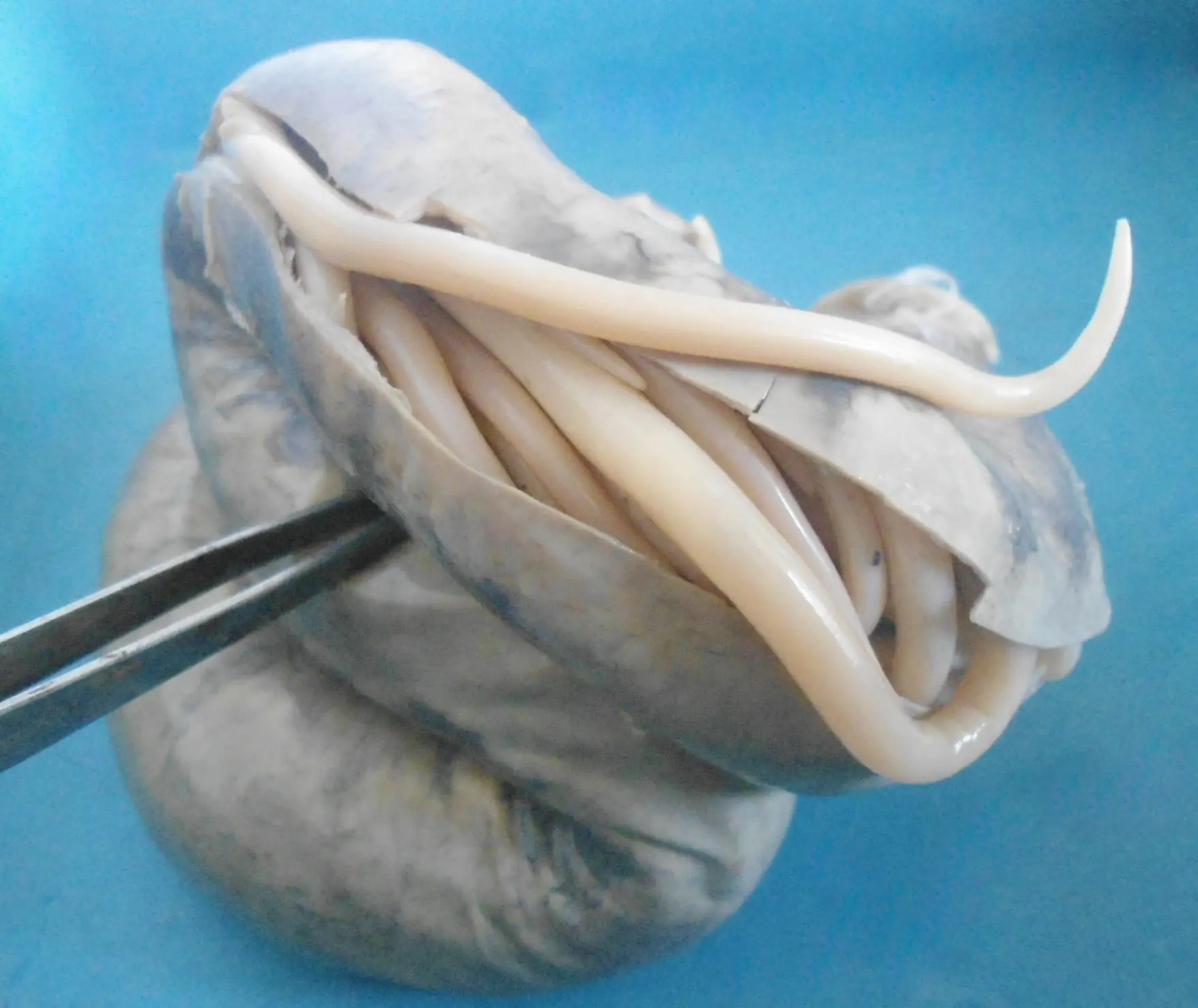
Large numbers of adult worms may become tangled together inside the intestine, forming a mass that obstructs the normal movement of intestinal contents.
This is known as intestinal obstruction.
When food, fluids, and digestive contents cannot pass through the affected section normally, pressure can build up.
The child may develop abdominal pain, swelling, nausea, vomiting, and an inability to pass stool or gas.
In severe cases, the obstruction can damage the intestinal wall and lead to life-threatening complications.
The World Health Organization recognizes intestinal obstruction as one of the serious complications of heavy soil-transmitted helminth infections, particularly in children.
What makes the situation particularly concerning is that the early symptoms may resemble ordinary digestive illnesses.
A parent may notice that a child is eating less, complaining of stomach discomfort, or experiencing occasional nausea.
These symptoms are easy to dismiss, especially if the child otherwise appears active.
But persistent vomiting, particularly when accompanied by abdominal swelling or worsening pain, requires medical assessment.
Image 1 – A young patient receiving medical care in a hospital setting.
There are several warning signs parents should recognize.
-
Repeated vomiting or inability to keep liquids down.
-
Severe or worsening abdominal pain.
-
A swollen or unusually firm abdomen.
-
Reduced urination.
-
Unusual sleepiness or weakness.
-
Inability to pass stool or gas.
-
Green-colored vomit, which can indicate bile and may signal an intestinal problem.
Not every child with these symptoms has intestinal worms.
Appendicitis, bowel obstruction from other causes, and several serious abdominal conditions can produce similar symptoms.
That is why doctors need to investigate rather than assume that a parasite is responsible.
One important point is that intestinal worms do not always cause dramatic symptoms immediately after entering the body.
The infection may develop over weeks or months.
Children can continue playing and attending school while carrying parasites.
In some cases, symptoms become noticeable only when the number of worms increases or complications develop.
This can make early recognition difficult.
For families living in tropical and subtropical regions, including parts of Southeast Asia, intestinal parasites remain an important public health concern.
Children may encounter contaminated soil while playing outdoors, and parasite eggs can reach their mouths through unwashed hands, food, or water.
The problem is not simply a lack of cleanliness by an individual child.
Environmental sanitation, access to safe water, food handling, and community hygiene all influence the risk of infection.
The most important message is that three days of persistent vomiting should never automatically be attributed to a minor stomach upset.
If a child cannot keep fluids down, has severe abdominal pain, develops a swollen abdomen, or shows signs of dehydration, urgent medical evaluation is necessary.
Recognizing the warning signs early gives doctors a better opportunity to identify the cause and prevent complications.
Chapter 2: What Doctors May Find Inside the Intestines – Understanding Roundworm Infection
When doctors suspect a parasitic infection, one of the organisms they may investigate is Ascaris lumbricoides, commonly known as the human roundworm.
This parasite is among the most widespread intestinal worms affecting people around the world.
It is particularly common in tropical and subtropical areas where sanitation infrastructure and access to clean water may be limited.
Adult roundworms are long, cylindrical, and usually creamy white or pinkish in color.
They resemble earthworms in general appearance, although they belong to a completely different group of organisms.
Female worms can grow considerably larger than males, sometimes reaching approximately 20–35 centimeters in length.
They live inside the small intestine, where they reproduce and release eggs that eventually leave the body through feces.
A particularly troubling feature of ascariasis is that an infected person may not realize anything is wrong.
Some people have no obvious symptoms.
Others experience abdominal discomfort, nausea, reduced appetite, or occasional digestive problems.
Children with heavier infections may experience nutritional deficiencies and impaired physical development.
When the number of worms becomes extremely high, however, they can form tangled masses that block the intestine.
This is one of the most serious complications of the infection.
How can worms enter a child's body?
The infection usually begins when a person accidentally swallows microscopic parasite eggs.
These eggs are passed in the feces of infected individuals.
If human waste contaminates the environment, the eggs can reach soil, water, and agricultural products.
Under suitable environmental conditions, they develop into an infective stage.
Children can become infected in several ways.
1. Playing in contaminated soil
Young children naturally enjoy playing outdoors.
They may dig in the ground, play with dirt, touch plants, or crawl across surfaces without realizing that microscopic parasite eggs may be present.
If they put contaminated fingers into their mouths before washing their hands, they may swallow the eggs.
2. Eating unwashed vegetables and fruits
Vegetables grown in contaminated soil may carry parasite eggs on their surfaces.
If produce is not washed, peeled, or properly prepared, the eggs can enter the digestive system.