A brain aneurysm can exist without causing any noticeable symptoms for years. Many people who have an unruptured aneurysm do not know it is there. The situation changes dramatically if the weakened area of a blood vessel in the brain ruptures.
A ruptured brain aneurysm is a medical emergency. It can cause bleeding around the brain, known as a subarachnoid hemorrhage, and permanent brain damage can occur quickly.
The symptoms are often sudden and severe. Recognizing them can make a critical difference because emergency treatment needs to begin as quickly as possible.
Here are 7 warning signs that deserve immediate attention.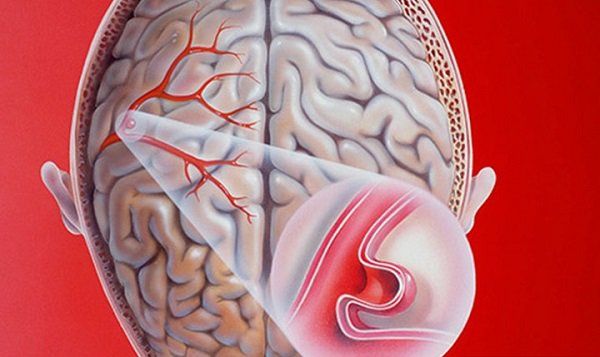
1. A Sudden, Extremely Severe Headache
The most characteristic symptom of a ruptured brain aneurysm is a sudden, severe headache.
People often describe it as a "thunderclap headache"—a headache that reaches maximum intensity within seconds to minutes.
It may feel completely different from previous headaches.
Some people describe it as:
-
The worst headache they have ever experienced
-
A sudden explosive pain
-
A severe pressure inside the head
-
A headache that appears without warning
A migraine can also cause intense headaches, so not every severe headache indicates an aneurysm.
But a headache that is sudden, extremely severe, and unlike anything you have experienced before should be treated as an emergency.
Do not wait to see if it improves.
2. Nausea and Vomiting
A ruptured aneurysm can cause bleeding and increased pressure inside the skull.
As a result, a person may suddenly experience severe nausea or vomiting, particularly when it occurs alongside an abrupt, intense headache.
This can sometimes be mistaken for food poisoning, a stomach virus, or migraine.
The combination is what matters.
If someone suddenly develops an unusually severe headache followed by vomiting, especially without an obvious gastrointestinal cause, emergency evaluation is necessary.
3. Neck Stiffness or Severe Neck Pain
Bleeding around the brain can irritate the tissues surrounding the brain and spinal cord.
This may cause neck stiffness or significant neck pain.
A person may find it difficult or painful to move the neck normally.
Neck stiffness can also occur with infections such as meningitis, so it is not specific to an aneurysm.
However, sudden severe headache combined with neck stiffness is particularly concerning.
If these symptoms appear abruptly, do not assume that you simply slept in an awkward position or strained a muscle.
4. Sensitivity to Light
A ruptured aneurysm can sometimes cause photophobia, meaning unusual sensitivity to light.
Ordinary room lighting may suddenly become uncomfortable.
The person may want to close their eyes or move into a dark room.
Light sensitivity is also common with migraines and other neurological conditions.
But when it occurs suddenly alongside an explosive headache, nausea, neck stiffness, or neurological symptoms, it can be part of a serious neurological emergency.
5. Confusion or Changes in Consciousness
A person experiencing a ruptured aneurysm may suddenly become confused, unusually sleepy, difficult to wake, or unconscious.
The severity can vary.
Someone might initially appear confused or unable to answer simple questions. In more severe cases, the person may lose consciousness.
This happens because bleeding can interfere with normal brain function and increase pressure within the skull.
Any sudden unexplained change in consciousness is an emergency.
Do not attempt to give food, drink, or medication to someone who is confused or unconscious.
Emergency medical services should be contacted immediately.
6. Seizures
A seizure can occur after a brain aneurysm ruptures.
The person may suddenly lose awareness, stiffen, shake, or make uncontrolled movements.
Not every seizure is caused by an aneurysm. Seizures can occur because of epilepsy, infections, metabolic problems, medications, brain tumors, and many other conditions.
However, a first-time seizure in an adult, particularly when accompanied by a sudden severe headache, requires urgent medical assessment.
If someone is having a seizure, do not restrain them and do not put anything in their mouth.
Move dangerous objects away from them and protect their head if possible while waiting for emergency medical help.
7. Sudden Neurological Problems
A ruptured aneurysm can cause a range of sudden neurological symptoms.
These may include:
-
Weakness or numbness
-
Difficulty speaking
-
Trouble understanding speech
-
Vision changes
-
Loss of balance
-
Difficulty walking
-
Facial weakness
-
Loss of coordination
These symptoms can resemble those of an ischemic stroke because both conditions can suddenly disrupt normal brain function.
A person may suddenly be unable to lift one arm, speak clearly, walk normally, or see properly.
Such symptoms require immediate emergency evaluation.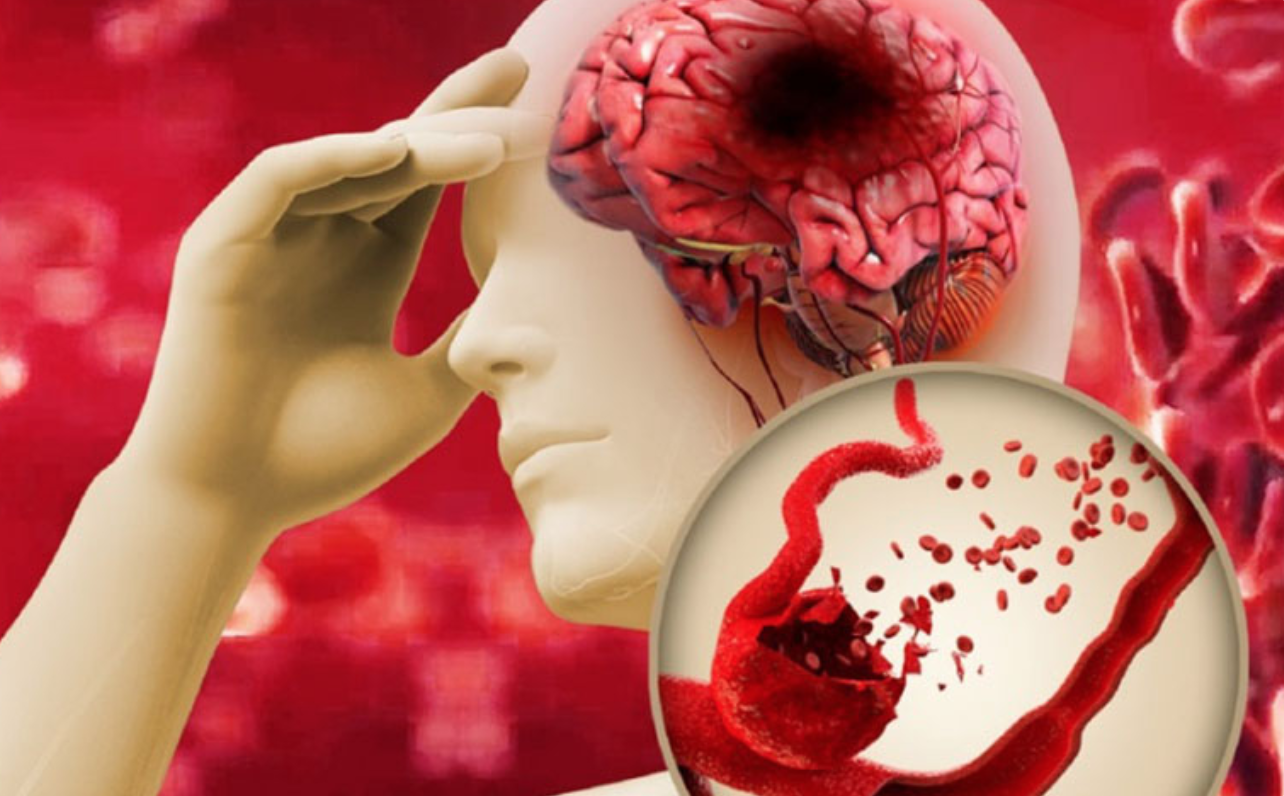
What Does a Ruptured Aneurysm Actually Mean?
An aneurysm is a weakened, bulging area in the wall of a blood vessel.
Over time, the vessel wall can become fragile.
If the aneurysm ruptures, blood escapes from the artery and enters the space around the brain.
This type of bleeding is called a subarachnoid hemorrhage.
The sudden increase in pressure and irritation caused by the blood can damage brain tissue and disrupt normal neurological function.
The longer treatment is delayed, the greater the potential for serious complications.
Not Every Aneurysm Ruptures
It is important not to assume that having an aneurysm automatically means it will rupture.
Many brain aneurysms remain unruptured throughout a person's life.
Doctors consider several factors when assessing rupture risk, including the aneurysm's:
-
Size
-
Location
-
Shape
-
Growth over time
-
Previous rupture history
A person's age, blood pressure, smoking history, family history, and other medical factors can also influence overall risk.
Some unruptured aneurysms are monitored with imaging, while others may require treatment depending on their individual characteristics.
Risk Factors You Should Know
Certain factors are associated with an increased likelihood of developing or rupturing a brain aneurysm.
High Blood Pressure
Long-term uncontrolled hypertension places stress on blood vessel walls.
Keeping blood pressure under control is therefore an important part of reducing vascular risk.
Smoking
Smoking is a significant modifiable risk factor associated with brain aneurysms and their rupture.
Quitting smoking can benefit blood vessels and reduce numerous cardiovascular and neurological risks.
Family History
People with close relatives who have had brain aneurysms or subarachnoid hemorrhage may have a higher risk.
In certain families, doctors may recommend specialized evaluation or screening.
Heavy Alcohol Consumption
Excessive alcohol use has been associated with increased risk of hemorrhagic stroke and may contribute to blood pressure problems.
Moderating alcohol consumption is therefore important for overall vascular health.
Certain Genetic Conditions
Some inherited disorders affecting connective tissue or blood vessels can increase the risk of aneurysms.
People with these conditions may require individualized medical monitoring.
A Ruptured Aneurysm Is Different From a Typical Headache
Headaches are extremely common.
Most are caused by relatively benign conditions such as tension headaches, migraine, dehydration, lack of sleep, infections, or medication-related factors.
The warning pattern with a ruptured aneurysm is often the suddenness and severity.
A headache that gradually builds over several hours is different from a headache that reaches extreme intensity almost immediately.
A new headache that is dramatically different from your normal pattern deserves attention, particularly if it is accompanied by vomiting, neck stiffness, confusion, weakness, vision problems, or loss of consciousness.
What Should You Do?
If you or someone around you develops a sudden, extremely severe headache—especially one described as the worst headache of their life—seek emergency medical care immediately.
Do not wait several hours to see whether the pain disappears.
Do not attempt to diagnose the cause at home.
Emergency medical professionals can evaluate neurological symptoms and transport the person to a facility capable of performing brain imaging and providing specialist treatment.
If someone loses consciousness, has a seizure, or develops severe neurological symptoms, call emergency services immediately.
What Happens at the Hospital?
Doctors may perform a neurological examination and use brain imaging to look for bleeding.
A CT scan of the head is often an important initial test in suspected subarachnoid hemorrhage.
Depending on the timing and clinical situation, additional testing may be needed.
Doctors may also use CT angiography, MRI-based imaging, or cerebral angiography to identify the aneurysm and determine its location and characteristics.
Treatment depends on the individual situation.
Possible procedures include endovascular coiling or surgical clipping, both of which are designed to prevent further bleeding from the aneurysm.
Patients may also require intensive monitoring and treatment for complications.
Recovery Can Take Time
Surviving a ruptured aneurysm is only the beginning of the recovery process.
Some people recover well, particularly when treatment occurs quickly.
Others may experience lasting effects involving memory, concentration, movement, speech, vision, mood, or energy levels.
Rehabilitation may involve physical therapy, occupational therapy, speech therapy, cognitive rehabilitation, or other forms of support.
The outcome varies considerably depending on the severity of the hemorrhage and the speed and effectiveness of treatment.
Prevention and Risk Reduction
You cannot control every risk factor associated with brain aneurysms.
However, several steps can support healthier blood vessels.
Control blood pressure. Have your blood pressure checked regularly and follow treatment recommendations when hypertension is diagnosed.
Avoid smoking. Quitting is one of the most important things you can do for vascular health.
Limit excessive alcohol consumption. Heavy drinking can increase blood pressure and contribute to hemorrhagic stroke risk.
Maintain regular physical activity. Exercise supports cardiovascular health and blood pressure control.
Know your family history. If close relatives have experienced brain aneurysms or subarachnoid hemorrhage, discuss your risk with a healthcare professional.
The Bottom Line
A brain aneurysm can remain silent for years, but rupture can happen suddenly and requires emergency treatment.
The most important warning sign is a sudden, extremely severe headache that reaches maximum intensity within seconds or minutes. Other symptoms can include nausea and vomiting, neck stiffness, sensitivity to light, confusion or loss of consciousness, seizures, and sudden neurological problems such as weakness, speech difficulties, or vision changes.
These symptoms do not always mean that an aneurysm has ruptured. Other serious conditions can cause similar symptoms.
But when a potentially life-threatening neurological event is possible, it is far safer to seek emergency care immediately than to wait and see what happens.
If someone suddenly develops a thunderclap headache or loses consciousness, do not drive them yourself if emergency medical services are available. Call for emergency help and follow the instructions provided.
When it comes to a possible ruptured brain aneurysm, every minute matters.